
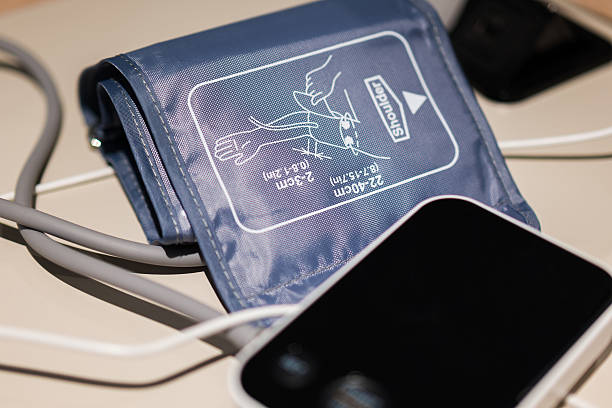
Blood pressure is a vital indicator of cardiovascular health, and recognising its early signs can be crucial for preventing serious complications.
High blood pressure, or hypertension, often develops silently, making awareness of subtle symptoms essential for timely intervention.
Also see: 15 Common Sexual Health Myths Men Still Believe And the Truth Behind Them
Understanding high blood pressure
Blood pressure measures the force exerted by blood against artery walls. When this pressure is consistently high, it strains the heart and blood vessels, potentially leading to heart disease, stroke, or kidney problems.
Many people with high blood pressure experience no obvious symptoms initially, which is why it’s often called the ‘silent killer.’
Common early symptoms
Though often symptomless, some early signs may hint at elevated blood pressure levels:
- Headaches: Frequent or persistent headaches, especially in the morning, can be an early warning sign.
- Dizziness or lightheadedness: Feeling unsteady or faint may occur due to changes in blood flow.
- Blurred vision: High blood pressure can affect the blood vessels in the eyes, causing vision disturbances.
- Fatigue: Unexplained tiredness or lack of energy might signal the heart working harder than usual.
- Chest discomfort: Mild chest pain or pressure can sometimes be linked to hypertension.
Also see: How you can help during Men’s Mental Health Awareness Month
Less obvious high blood pressure indicators
Other subtle signs might include:
- Nosebleeds: Though not common, recurrent nosebleeds can sometimes accompany high blood pressure.
- Irregular heartbeat: Palpitations or a feeling of skipped beats might alert you to cardiovascular stress.
Importance of regular monitoring
Because many of these symptoms are nonspecific and may overlap with other conditions, routine blood pressure checks are essential. Early detection through monitoring allows for lifestyle adjustments and medical interventions that can prevent serious health issues.
While high blood pressure often shows no clear symptoms, identifying early signs such as headaches, dizziness, and vision changes can prompt timely medical consultation. Regular monitoring remains the most reliable way to safeguard cardiovascular health.
Also see: Top 5 advantages of healthy conflict
Featured image: Getty
Be the first to know – Join our WhatsApp channel for content worth tapping into. Click here to join!