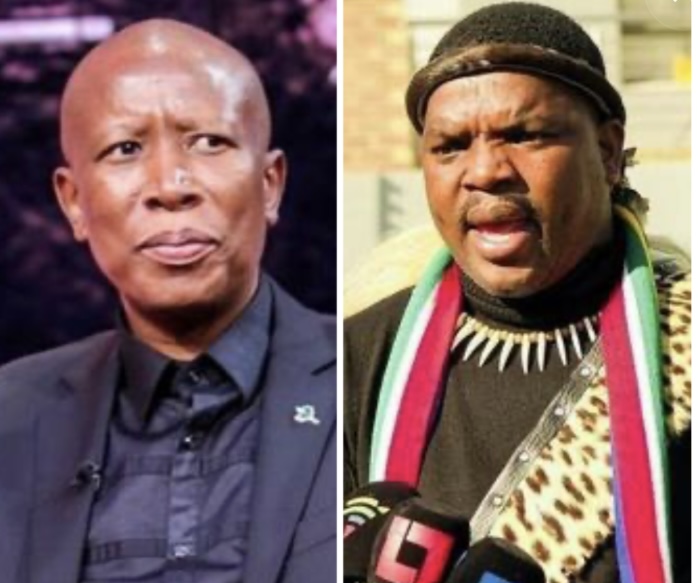
Controversial media personality and activist Ngizwe Mchunu has issued a public apology to Economic Freedom Fighters (EFF) leader Julius Malema, bringing a highly publicised legal dispute to an unexpected conclusion.
Also see: Ngizwe Mchunu refuses to apologise to Julius Malema after court ruling
The apology follows court orders that required Mchunu to retract a series of statements he made about Malema earlier this year. The comments, which circulated widely on social media and in interviews, included allegations linking the EFF leader to criminal activity and corruption. Malema denied the claims and pursued legal action, arguing that the statements were defamatory.
— MDN NEWS (@MDNnewss) June 4, 2026
Why the apology matters
In his statement, Mchunu acknowledged the court’s ruling and said he had sought legal advice before deciding to issue an unconditional apology. He also committed to refraining from repeating the allegations in the future.
Also see: Ngizwe Mchunu faces legal action over alleged defamatory remarks
The development marks a significant turnaround, particularly after Mchunu had previously indicated that he would not apologise to Malema despite mounting legal pressure.
Social media reacts
As news of the apology spread, South Africans took to social media to debate whether the move was sincere or simply a response to legal consequences. The story has sparked conversations about accountability, freedom of expression and the growing impact of defamation cases in the digital age.
“That is not a formal apology. It’s a joke. Ngizwe will still have to tender a proper apology to CIC JM,” said one X user.
Viewing the written apology as insufficient, another user said, “He said it via video he recorded, can he do a video of apology.”
“He has done the right thing so that he can focus on what matters the most we have crisis in South Africa,” commented one more.
Public accountability
The dispute serves as a reminder that public figures, influencers and commentators can face legal consequences for unverified allegations. While political debates often play out online, courts continue to draw a clear line between opinion and defamatory statements.
For many members of the online community who have watched the dispute unfold, the apology closes a chapter that captured national attention and generated widespread public discussion.
Also see: ‘The judiciary system of South Africa has shown loopholes’ – Ngizwe Mchunu reacts to Malema case
Be the first to know – Join our WhatsApp channel for content worth tapping into. Click here to join!