Lower back pain is a common issue that can significantly affect daily life. Fortunately, regular stretching can alleviate discomfort and strengthen the muscles supporting the spine, reducing the risk of future pain.
This guide outlines an effective routine designed to safely and efficiently stretch and relax the lower back.
Also see: Gym anxiety: Why many people struggle to start fitness journeys
1. Cat-cow Stretch
This gentle flow between two poses increases flexibility and relieves tension in the spine. Begin on your hands and knees, inhale as you arch your back, lifting your head and tailbone (Cow Pose), then exhale as you round your spine, tucking your chin and pelvis (Cat Pose).
Repeat slowly for eight to 10 cycles.
2. Child’s Pose
Child’s Pose is a restful stretch that elongates the lower back muscles. Kneel on the floor, sit back onto your heels, and extend your arms forward while lowering your chest toward the ground.
Hold for 30 seconds to one minute, focusing on deep, even breaths.
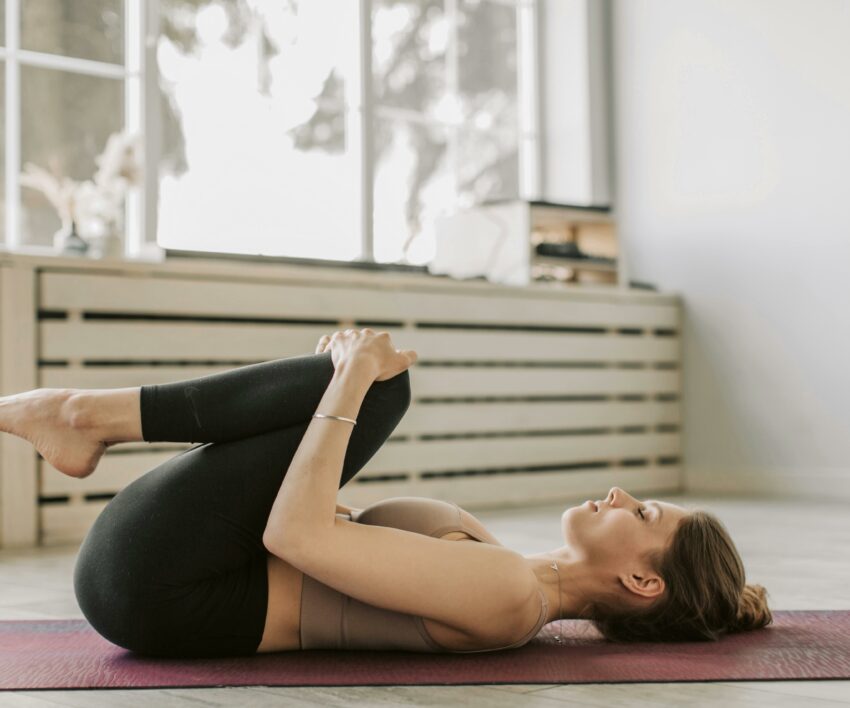
3. Knee-to-chest stretch
This stretch gently loosens the lower back and hips. Lie on your back and pull one knee toward your chest, keeping the other leg extended on the floor.
Hold for 20 to 30 seconds, then switch legs. Repeat two to three times for each leg.
Also see: Why fitness should fit your life — not the other way around
4. Seated spinal twist
This twist improves spinal mobility and relieves muscle tightness. Sit with your legs extended, bend one knee and cross it over the opposite leg. Place the opposite elbow outside the bent knee and gently twist your torso toward that side.
Hold for 20 to 30 seconds, then switch sides.
5. Pelvic tilt
This exercise strengthens and stabilises the lower back. Lie on your back with knees bent and feet flat on the floor. Tighten your abdominal muscles and gently flatten your lower back against the floor by tilting your pelvis upward.
Hold for five seconds and release. Repeat 10 to 15 times.
Applying the back-stretching routine
Incorporating these stretches into your daily routine can significantly reduce lower back pain and prevent future discomfort by improving flexibility and strengthening supporting muscles.
Remember to move slowly, breathe deeply, and avoid any stretches that cause sharp pain. Consistency is key to experiencing lasting benefits and maintaining a healthy, pain-free back.
Also see: Rising gym prices: Fitness enthusiasts speak out on growing costs
Featured image: Pexels
Be the first to know – Join our WhatsApp channel for content worth tapping into. Click here to join!