
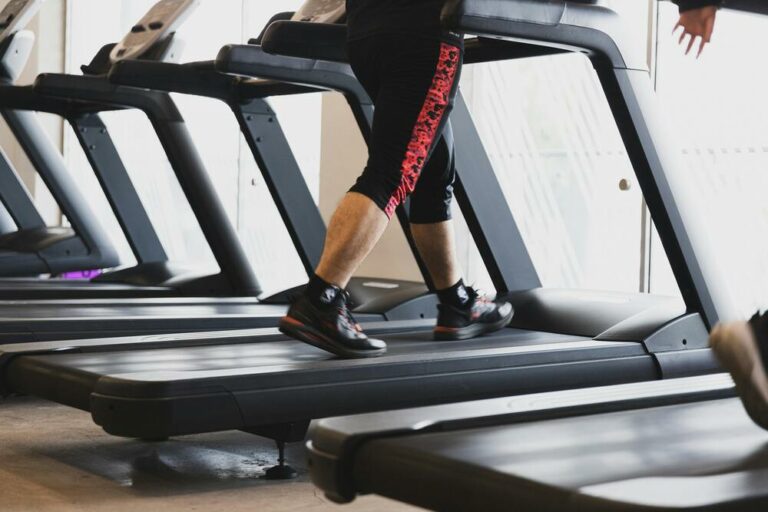
For many people, starting a fitness journey sounds exciting in theory — but walking into a gym for the first time can feel overwhelming, intimidating and emotionally exhausting.
Also see: Your first day at the gym: Essential tips for beginners
Experts say “gym anxiety” is more common than many realise, affecting people of all ages, body types and fitness levels. From fear of judgment to insecurity about appearance, the emotional barriers can sometimes feel stronger than the physical workout itself.
Fear of being judged
One of the biggest reasons people avoid gyms is the fear of being watched or criticised. Many beginners worry they do not look “fit enough”, know how to use equipment properly, or belong in fitness spaces.
Social media has also intensified these insecurities, with highly curated fitness content often creating unrealistic expectations about body image, progress and workout lifestyles.
Psychologists explain that comparison culture can make people feel inadequate before they even begin their journey.
The pressure to “transform quickly”
Another major challenge is the pressure to achieve instant results. Many people start fitness journeys expecting rapid weight loss or dramatic physical transformation, only to become discouraged when progress feels slow.
This mindset can create anxiety, self-doubt and even embarrassment, especially when individuals compare their starting point to experienced gym-goers.
Fitness experts often emphasise that consistency matters more than perfection and that healthy progress usually takes time.
Also see: Transitional shoes that carry you from gym to street in one move
Financial and social barriers
Gym anxiety is not always emotional — practical concerns also play a role. Membership costs, fear of crowded spaces, uncertainty around workout routines and lack of support can all make fitness feel inaccessible.
For some people, negative past experiences involving body shaming or bullying may also contribute to discomfort in gym environments.
How people are overcoming gym anxiety
Mental health professionals and fitness coaches encourage beginners to start small and focus on realistic goals rather than perfection. Many people are now choosing low-pressure alternatives such as walking, home workouts, beginner-friendly classes or training with friends before transitioning into gym spaces.
Others find comfort in attending gyms during quieter hours or working with trainers who create supportive and non-judgmental environments.
Fitness should feel inclusive
The conversation around gym anxiety reflects a broader shift toward making wellness feel more accessible and less intimidating. Experts say fitness should be about health, confidence and personal growth — not fear or comparison.
As more people openly discuss their struggles with starting fitness journeys, the hope is that wellness spaces become more inclusive, supportive and welcoming for everyone.
Also see: Easy ways to turn your garden into the perfect outdoor gym
Be the first to know – Join our WhatsApp channel for content worth tapping into. Click here to join!