
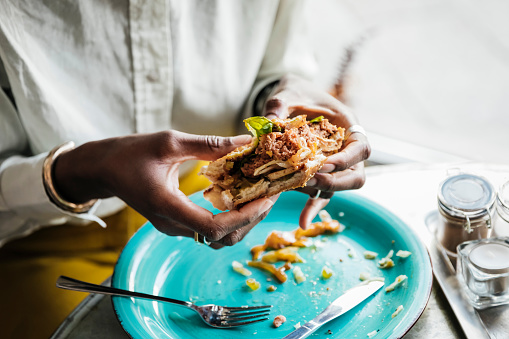
Many people view food as something to control, avoid or feel guilty about. However, building a healthy relationship with food is about creating balance rather than following strict rules.
According to Healthline, when you improve your relationship with food, you’ll notice a lot less stress and worry around eating and more food freedom. A positive approach to eating can improve both physical health and emotional well-being, making mealtimes more enjoyable and sustainable.
Also see: Foods that naturally support brain health
Ditch the ‘good’ and ‘bad’ food labels
Labelling foods as ‘good’ or ‘bad’ often leads to guilt and unhealthy eating patterns. Instead, view all foods as having a place in a balanced diet. While nutrient-rich foods should make up the majority of your meals, enjoying your favourite treats occasionally is perfectly normal.
Listen to your body
Learning to recognise hunger and fullness cues is an important step towards mindful eating. Eat when you are genuinely hungry and stop when you feel comfortably satisfied. According to Harvard Health, slowing down during meals can help you better tune into your body’s signals and reduce overeating.
Focus on nourishment, not restriction
Rather than cutting out entire food groups, aim to include a variety of foods that provide essential nutrients. Fruits, vegetables, whole grains, lean proteins and healthy fats all play a role in supporting overall health and keeping your energy levels stable.
Also see: Cooking habits that are making your food less nutritious
Avoid emotional eating traps
Stress, boredom and sadness can sometimes lead to eating for comfort rather than hunger. Healthline states that emotional eating can become a problem when it happens often and you don’t have ways to cope. Identifying emotional triggers and finding alternative coping strategies, such as exercising, journaling or speaking to a friend, can help you develop healthier habits.
Be compassionate to self
No one eats perfectly every day. Instead of feeling guilty after an indulgent meal, focus on your overall eating pattern. A single meal won’t define your health, but consistent, balanced choices over time can make a meaningful difference.
Ultimately, a healthy relationship with food isn’t about perfection; it’s about enjoying what you eat while nourishing your body and respecting your individual needs. Small, realistic changes are often the most sustainable and can lead to lifelong healthy eating habits.
Also see: From fibre to tiramisu: The food trends shaping our plates in 2026
Be the first to know – Join our WhatsApp channel for content worth tapping into. Click here to join!