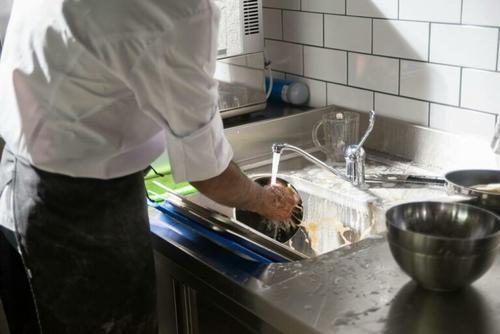
Every drop of water counts, especially in a South African kitchen. From the food you choose to how you cook and clean, small changes can make a big difference in saving water. Here’s how to make your kitchen a little more water-wise without compromising on flavour.
Tips for using less water while cooking and cleaning
1. Choose water-wise foods
Opt for foods that use less water to produce or farm them and cook them. Examples include legumes, potatoes, kalem zucchini and mushrooms. Try to limit foods with high water footprints like meat, dairy, rice, avocados and almonds.
2. Steam instead of boiling
Boiling foods usually uses a lot of water and energy (to bring the water to a boil). A simple alternative that is impactful is steaming. Steaming not only saves water but often helps food retain a lot more nutrients that would have leached out during boiling. Using a steamer means you won’t have to fill an entire pot with water, using less water every time you cook.
3. Choose the right-sized pot or pan
Using oversized cookware, in terms of the amount of food you’re cooking, requires more water and heat. You don’t need a large pot to boil three or four potatoes, or a large pan to broil one or two pieces of chicken, for example. Make sure you’re using the right-sized cookware for the job to reduce the water and energy needed to cook the food.
4. Always cook with a lid
A well-fitted lid helps to retain steam and heat, reducing cooking time and conserving water (that you can reuse later). Be mindful of the amount of water you use for soups, stocks, and sauces. If you’ve used too much and need to evaporate a large amount to intensify flavours, you’ll be wasting a precious resource. Prevent this by instead adding less water and topping up until satisfied.
5. Soak or wipe your produce
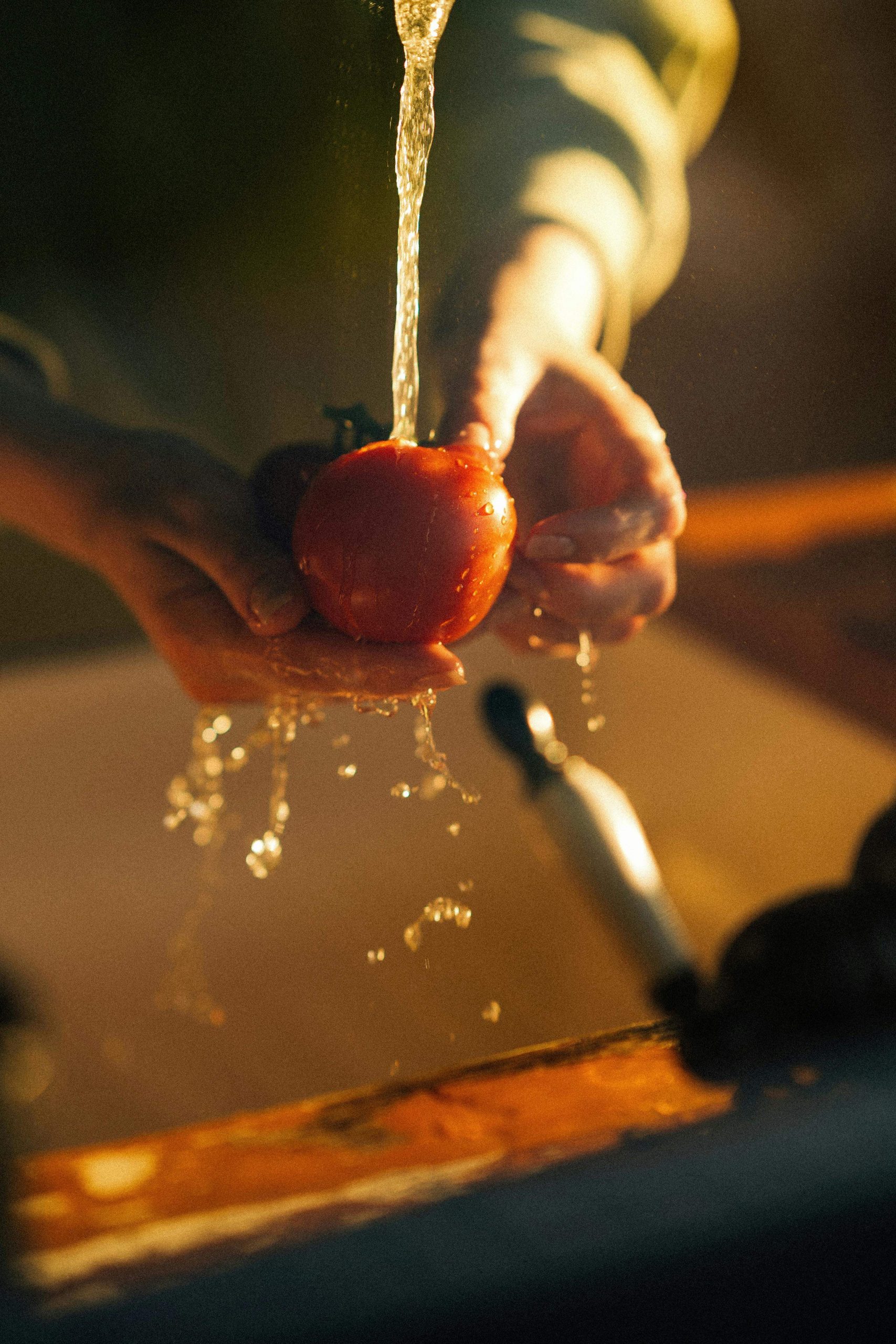
Instead of rinsing fruits and vegetables under running water, soak them in a bowl. You can then reuse this water to wash other fruits and vegetables in the following days, use it for washing dishes, or simply use it to water your plants or garden. Or, consider wiping fresh produce with a clean, damp cloth (it takes less water to rinse the cloth than it does the fresh produce).
6. Reuse cooking water
Water used to boil or steam vegetables is rich in nutrients and flavour – perfect to serve as the base for stocks, soups, and sauces. Alternatively, let this water cool and use it to water your garden or house plants (especially water used to rinse rice or boil pasta and potatoes).
7. Don’t use too much dish soap
A little goes a long way (especially Sunlight)! When you use a lot of dish soap, it means you’ll need double or even triple the amount of water for rinsing the dishes. Keep it to 1 teaspoon – you can always add more later, but never take away.
8. Invest in a dishwasher
Modern dishwashers actually use less water than hand washing dishes does! Rather invest in a dishwasher instead of washing dishes by hand, but just make sure to run it once it’s filled.
9. Pre-rinse the smart way
Instead of using running water to rinse your dishes before washing them, use a damp sponge or cloth to wipe off leftover food bits into the bin. Or, soak the dishes in a tub of soapy water and use the same soapy water to wash them after a good soak. Then rinse in another container filled with clean water. Take it one step further: collect washing and rinsing water and reuse it to water your garden.
10. Add water-saving tools
Install tap aerators or jet regulators to limit water flow. Consider solar geysers or heat pumps to make your kitchen more efficient overall.
Water-wise meal ideas
Cooking water-wise doesn’t mean you have to compromise on flavour. Try recipes that use minimal pots, quick-cook ingredients, or water-efficient methods like steaming, roasting, or one-pot cooking.
Here are a few ideas to get you started:
- One-pot Mediterranean chicken
- Raspberry Hertzoggie tray bake
- Chicken and almond tray bake recipe
- One-pot creamy chicken
- Paneer, chickpea and vegetable curry
Creating a water-wise kitchen is all about small, mindful habits that add up. Your choice of ingredients and how you clean up afterwards are impactful. Every drop counts, and by shifting your cooking habits slightly, you’ll be contributing to a more sustainable, water-conscious future – without giving up on flavour.
First published by Food & Home
Compiled by Annemieke van Nieuwkerk
Also see: Tips to help you be water wise