
A lump does not automatically mean breast cancer, and wearing an underwire bra does not put you at greater risk. Yet claims like these continue to circulate online, making it harder to separate genuine breast health information from myths.
Also see: Breast Cancer Awareness Month: Signs women and men shouldn’t ignore
Breast cancer misinformation can affect how people understand their risk, recognise symptoms and approach screening. Knowing what is fact and what is fiction can make it easier to take changes seriously without unnecessary panic.
Here are some of the most common breast cancer myths worth knowing, according to the National Breast Cancer Foundation.
1. Myth: Breast cancer only affects older women
The truth: Breast cancer can be diagnosed at any age.
It is more common among middle-aged and older women, but younger women can also develop the disease. Being young does not completely rule out breast cancer.
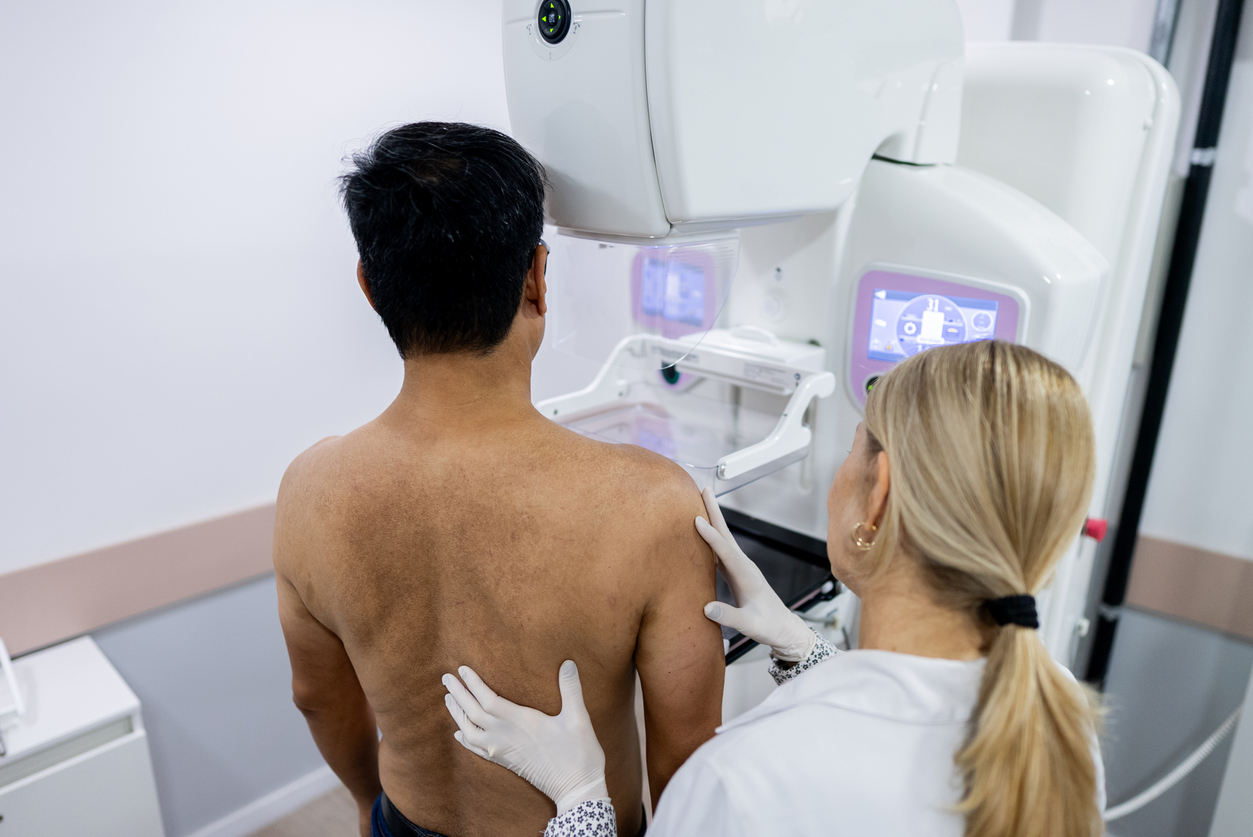
2. Myth: Men cannot get breast cancer
The truth: Men can develop breast cancer too.
Male breast cancer is rare, accounting for about 1% of breast cancers, explains the Foundation. However, men should still pay attention to unusual breast changes and speak to a healthcare provider if they notice something concerning.
3. Myth: Bigger breasts mean a higher risk of breast cancer
The truth: Breast size is not linked to breast cancer risk.
Having larger breasts can sometimes make it more difficult to examine the breast or spot certain changes, but breast size itself does not increase the likelihood of developing cancer.
4. Myth: A breast lump means you have cancer
The truth: Many breast lumps are not cancerous.
Most breast lumps are benign. That does not mean a new lump should simply be ignored. Any unusual breast change, including a lump, should be assessed by a healthcare provider so that the cause can be properly determined.
5. Myth: Breast pain means you have breast cancer
The truth: Breast pain is not usually a sign of breast cancer.
However, breast cancer can sometimes cause pain. Rather than trying to diagnose the cause yourself, mention persistent or unusual breast changes to your doctor.
6. Myth: Mammograms can cause breast cancer
The truth: Mammograms use a small amount of X-ray radiation.
The radiation dose used during a mammogram is very low, and the benefits of mammography screening generally outweigh the potential risks associated with radiation exposure.
Breast compression during the procedure also does not cause breast cancer or make cancer spread.
7. Myth: All breast cancers are the same
The truth: Breast cancer is not one single disease.
There are different types and subtypes, each with its own characteristics, as explained by the National Breast Cancer Foundation. These differences can influence both treatment and prognosis.
That is one reason why a breast cancer diagnosis does not automatically mean the same treatment or outcome for every person.
8. Myth: Having breast cancer in your family means you will probably get it
The truth: Family history can increase your risk, but it does not mean you will develop breast cancer.
Having a close relative with breast cancer can be an important part of understanding your personal risk. However, most people diagnosed with breast cancer do not have a family history of the disease.
Knowing your family history can help you and your healthcare provider decide what screening approach may be appropriate.

9. Myth: A BRCA mutation means you will definitely develop breast cancer
The truth: An inherited BRCA1 or BRCA2 mutation increases the risk, but does not make breast cancer inevitable.
Genetic information can help healthcare providers understand a person’s risk and make informed decisions about screening and care.
10. Myth: An injury to the breast can cause cancer
The truth: Breast injuries do not cause breast cancer.
An injury can, however, lead to benign changes in the breast. It may also draw attention to an irregularity that was already there.
If you notice a change after an injury, it is still worth having it assessed rather than assuming the injury caused cancer, the Foundation advises.
11. Myth: Eating sugar causes breast cancer
The truth: Sugar does not directly cause breast cancer.
However, regularly consuming too much food, including sugary foods, can contribute to weight gain and obesity. These can increase breast cancer risk.
The important distinction is that eating sugar itself is not considered a direct cause of breast cancer.
12. Myth: Deodorant and antiperspirant cause breast cancer
The truth: There is no scientific evidence linking underarm deodorants or antiperspirants to the development of breast cancer.
This is one of the claims that has circulated widely, particularly online, but the Foundation does not support a connection between these products and breast cancer.

13. Myth: Keeping your phone in your bra can cause breast cancer
The truth: There is no established evidence that carrying a cellphone in your bra causes breast cancer.
Although people may come across warnings about this on social media, the National Breast Cancer Foundation does not support the claim.
14. Myth: Underwire bras cause breast cancer
The truth: The type of bra you wear does not cause breast cancer.
Underwire bras have been the subject of various health claims, but there is no link between wearing one and developing breast cancer.
A poorly fitting bra can cause discomfort, swelling or pain. So while it may be uncomfortable, that is a separate issue from cancer risk.
15. Myth: Breast cancer is contagious
The truth: You cannot catch breast cancer from another person.
Breast cancer is not contagious. It cannot be passed from one person to another through ordinary contact.
Be the first to know – Join our WhatsApp channel for content worth tapping into. Click here to join!