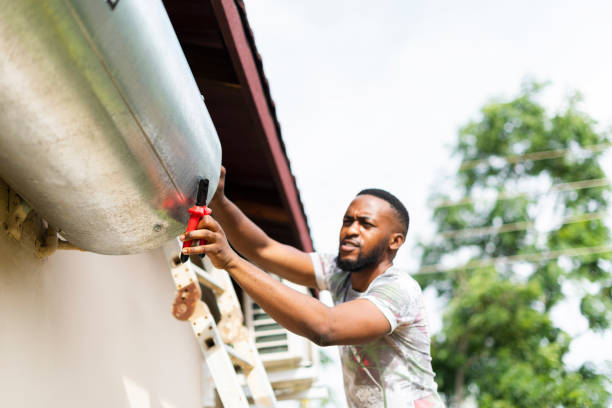
In winter, hot water becomes more than a utility; it’s part of how people get through the day. It’s the shower that helps you wake up on a cold morning, or the one that signals the end of a long day.
That’s why when it doesn’t work, you notice it immediately.
Also see: How to prevent your geyser from bursting this winter
Cold weather places added strain on water heating systems, often exposing issues that have been building unnoticed for months. And when failures happen, they’re rarely just inconvenient; they come with cost, disruption and in many cases, avoidable repairs.
In South Africa, geyser-related failures are among the most common household insurance claims, accounting for as much as 30–50% of claims in some cases. At the same time, water heating can contribute up to half of a household’s electricity usage, making it one of the biggest cost drivers in the home. With winter placing additional strain on systems and up to 45% of claims facing delays due to compliance issues, a small amount of preparation can make a significant difference.
To make sure you are covered this winter, here are five simple things you can do to lower your risk and keep your home running smoothly.
1. Get your geyser checked before peak winter hits
A pre-winter inspection is one of the most effective ways to avoid unexpected breakdowns.
Ask a qualified plumber to check:
· Heating element condition
· Thermostat performance
· Signs of corrosion or wear
Early detection can prevent a small issue from becoming a full system failure when demand is highest. Importantly, always go through the correct service channels to protect your warranty.
2. Are you using the right water heating system for your home?
Not all geysers are created equal and not every system is suited to every household or climate.
If your current system is:
· Struggling to keep up in winter
· Driving up your electricity bill
· Constantly needing repairs
…it may not be the most efficient fit for your needs.
Different homes require different solutions:
· Larger households may benefit from higher capacity or alternative systems
· Warmer regions can maximise solar or heat pump efficiency
· High-usage homes may need more energy-efficient, on-demand solutions
With electricity tariffs continuing to rise in South Africa, the type of system you use can significantly impact your monthly costs.
A qualified plumber can assess your current setup and recommend the most efficient option based on your household usage, property setup and regional climate.
Upgrading or optimising your system is not just about comfort, it is about long-term savings and reliability.
Also see: Ways to be money-wise in 2026

3. Insulate your geyser and pipes to reduce heat loss
In winter, your geyser works harder because incoming water is colder and ambient temperatures are lower.
Simple insulation can:
· Reduce heat loss
· Lower electricity usage
· Keep water hotter for longer
Insulation is one of the most underrated energy-saving tools. Geyser blankets help retain heat in the storage tank for longer, while pipe lagging prevents heat escaping through exposed pipes (especially in colder roof spaces or outdoor areas). These insulation tools are low-cost and quick to install – and can reduce energy waste by 30-50%.
Installing a geyser blanket and insulating exposed pipes is a relatively low-cost intervention that can deliver noticeable savings over the colder months.
4. Set your thermostat to an efficient temperature
Many households increase their geyser temperature in winter without realising the impact.
An optimal range is typically 55 to 60°C, which can cut water heating costs by up to 10%, while:
· Providing sufficient hot water
· Reducing strain on the system
· Preventing unnecessary energy consumption
A qualified plumber can assist in setting and checking this correctly to ensure both safety and efficiency.
5. Confirm your geyser is registered and serviced
This is often overlooked but critical.
Make sure:
· Your geyser is properly registered
· Installation documentation is in place
· Servicing is done through approved professionals
Up to a significant portion of warranty claims are delayed or rejected due to missing registration or incorrect installation processes. Following the correct channels ensures that if something does go wrong, you are covered with minimal stress or admin.
A warmer, more reliable winter starts now
Winter puts your geyser under pressure. Increased usage, colder water and higher energy demand all compound the risk of failure.
In a time where every expense matters, prevention is not just practical, it is essential.
A little preparation now means one less thing to worry about later. And that peace of mind is what a South African winter should feel like.
Also see: How to set up a water-wise kitchen
Be the first to know – Join our WhatsApp channel for content worth tapping into. Click here to join!