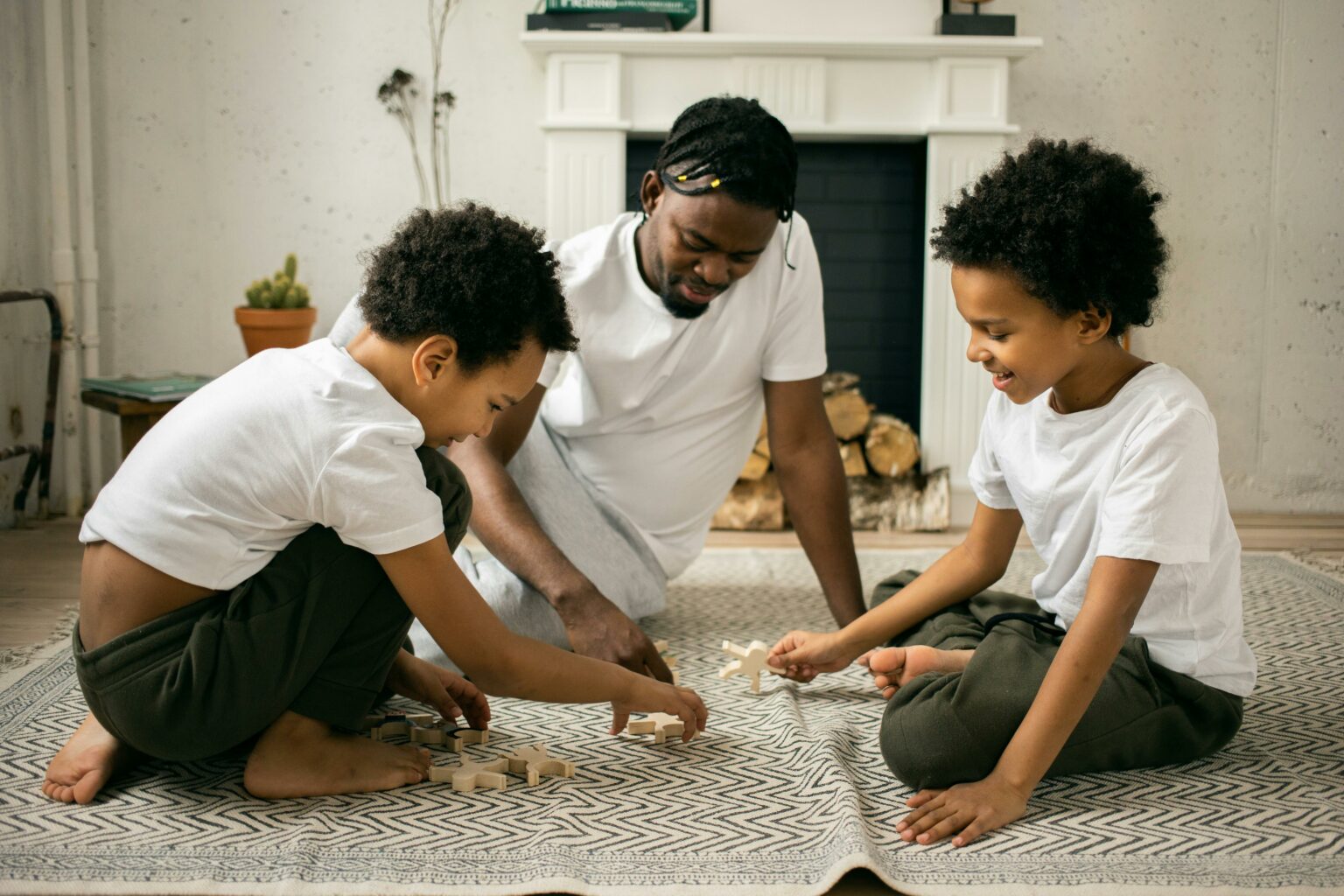
10 Meaningful Ways to Build a Strong Bond With Your Children at Any Age
Life moves fast.
Between work, school runs, homework, sports practice, household chores, and endless notifications, it’s easy to feel like you’re spending plenty of time with your children without truly connecting with them.
Yet ask most adults about their favourite childhood memories, and they rarely mention expensive gifts or extravagant holidays. More often, they remember conversations, traditions, laughter, and moments when they felt seen and understood.
Child development experts consistently highlight that strong parent-child relationships help children feel loved, secure, and confident while supporting their emotional and social development.
The good news? Building a strong bond with your children doesn’t require grand gestures. It’s often the small, everyday moments that matter most.
1. Give Them Your Undivided Attention
Children notice when you’re only half listening.
Putting down your phone, making eye contact, and being fully present sends a powerful message: You matter to me.
Experts say quality interactions and being “in the moment” help children feel valued, secure, and connected to their parents.
Even ten minutes of focused attention can mean more than an hour of distracted time together.
2. Create Daily Connection Rituals
Connection grows through consistency.
Simple rituals can become treasured memories:
- Bedtime chats
- Morning hugs
- Family dinners
- Weekend walks
- Friday movie nights
These predictable moments help children feel secure and give families regular opportunities to connect.
3. Listen More Than You Talk
Sometimes children don’t need solutions.
They need someone to listen.
Active listening means paying attention without interrupting, judging, or immediately trying to fix the problem. This builds trust and encourages children to keep sharing their thoughts and feelings.
The goal isn’t always to have the right answer—it’s to make sure they feel heard.
4. Let Them Lead the Fun
Many parents spend time managing, teaching, and correcting.
Try spending some time simply following your child’s lead.
Whether it’s playing make-believe, kicking a soccer ball, baking cupcakes, or building Lego creations, allowing children to choose the activity helps them feel respected and valued.
Sometimes the best bonding happens when you enter their world.
5. Show Affection Often
Never underestimate the power of affection.
For younger children, that may mean hugs, cuddles, and holding hands. For older children and teenagers, it might be a supportive hand on the shoulder, a smile, or simply telling them you’re proud of them.
Warm, loving interactions help children develop a sense of safety and emotional security.
6. Learn About Their Interests
Your child may love football, gaming, dancing, dinosaurs, anime, music, or science experiments.
Take an interest.
Ask questions. Attend events. Learn the basics of what excites them.
Children feel closer to parents who genuinely care about the things that matter to them.
You don’t have to become an expert—you just need to be interested.
7. Validate Their Feelings
Children experience big emotions.
Instead of dismissing their feelings with phrases like “It’s not a big deal,” try acknowledging what they’re experiencing.
Simple responses such as:
- “I can see why you’re upset.”
- “That sounds really frustrating.”
- “I’d feel disappointed too.”
Validation helps children feel understood and strengthens emotional trust. Experts identify emotional responsiveness as a key ingredient of secure attachment.
8. Spend One-on-One Time Together
If you have multiple children, individual time becomes especially important.
Even a short outing, coffee date, school run, or walk can make a child feel special.
Research suggests that intentional one-on-one interactions strengthen feelings of belonging and security.
It’s not about the activity—it’s about the attention.
9. Apologise When You’re Wrong
Parents aren’t perfect.
You’ll lose patience. Make mistakes. Say things you wish you could take back.
What matters is how you handle it afterward.
A sincere apology teaches accountability, humility, and respect. It also shows children that relationships can recover after difficult moments. Repairing mistakes is an important part of building trust.
10. Make Time for Conversations
Some of the best conversations happen unexpectedly.
In the car.
While cooking.
Walking the dog.
Shopping together.
Experts often note that meaningful connection is built through regular, everyday interactions rather than one big conversation.
The more opportunities you create for conversation, the more likely your child is to come to you when something really matters.
The Secret Most Children Remember
Years from now, your children probably won’t remember every toy you bought them.
They may not remember every school lunch you packed or every lift you gave them.
But they will remember how you made them feel.
Did they feel safe?
Did they feel heard?
Did they feel loved?
Strong parent-child bonds aren’t built through perfection. They’re built through thousands of small moments of attention, patience, affection, and understanding.
And those moments can shape a child’s confidence, resilience, and happiness for a lifetime.
Also see: “I can’t hear” – Nhlanhla Mafu on hearing loss journey
Be the first to know – Join our WhatsApp channel for content worth tapping into. Click here to join!