Single Motherhood in South Africa: Real Survival Strategies
Single motherhood in South Africa is not just a lifestyle—it’s a daily balancing act of responsibility, resilience, and resourcefulness.
Many women find themselves raising children alone due to divorce, separation, choice, or life circumstances. And while the journey can be deeply rewarding, it often comes with serious financial pressure, emotional strain, and social challenges.
Studies and reports consistently show that female-headed households are more vulnerable to poverty due to limited income sources and unequal access to opportunities.
At the same time, many single mothers continue to show strong resilience through informal work, support networks, and creative coping strategies.
This isn’t about struggle alone—it’s about survival, adaptation, and building stability in real life.
1. Financial Survival: Stretching Every Rand
Money is often the biggest pressure point.
Many single mothers in South Africa rely on one income stream, which can make budgeting essential for survival.
Practical strategies:
- Zero-based budgeting: Give every rand a job (rent, food, transport, school)
- Bulk buying essentials: Spaza shops, wholesale stores, or co-ops
- Side income streams: Baking, tutoring, hair services, resale businesses
- Government support awareness: Child grants and available social services
- Avoid debt cycles where possible: Especially high-interest loans
Even small financial adjustments can reduce pressure significantly over time.
2. Emotional Survival: Managing Stress Without Breaking Down
Single parenting comes with emotional load—decision-making, discipline, school issues, and daily stress.
Research shows single parents often experience higher stress due to full responsibility and limited support.
Survival habits:
- Take short daily “reset moments” (even 10–15 minutes alone)
- Don’t carry guilt for needing rest
- Journal or voice-note your thoughts
- Build emotional boundaries with draining people
- Ask for help without shame
Strong mothers are not the ones who never break—they’re the ones who recover.
3. Building a Support System (Your “Village”)
One of the most powerful survival tools is support.
In South African communities, support systems often include family, friends, neighbours, and informal networks.
Your support circle can include:
- Trusted family members
- Other single moms
- School parents
- Community groups or church groups
- Childcare swaps
Support reduces burnout and prevents isolation, which is a major risk for single parents.
4. Co-Parenting or External Relationships
If co-parenting is involved, structure matters.
Healthy boundaries include:
- Clear communication (not emotional arguments)
- Written agreements where possible
- Consistency for the child
- No using children as messengers
- Protecting your emotional peace
Not every situation allows perfect cooperation—but structure reduces chaos.
5. Time Management: Running a One-Parent Household
Time is often more limited than money.
Survival systems:
- Weekly planning (school, meals, transport)
- Meal prepping when possible
- Simple routines for kids (reduces daily stress)
- Prioritising rest over perfection
- Saying “no” to unnecessary commitments
You don’t need to do everything—you need to do what works.
6. Supporting Children Emotionally
Children in single-parent homes often thrive when stability and emotional safety are consistent.
Research shows children benefit most from emotional security, not household structure alone.
What helps:
- Reassurance and presence
- Honest but age-appropriate conversations
- Routine and predictability
- Encouraging emotional expression
- Avoiding negative talk about the other parent in front of the child
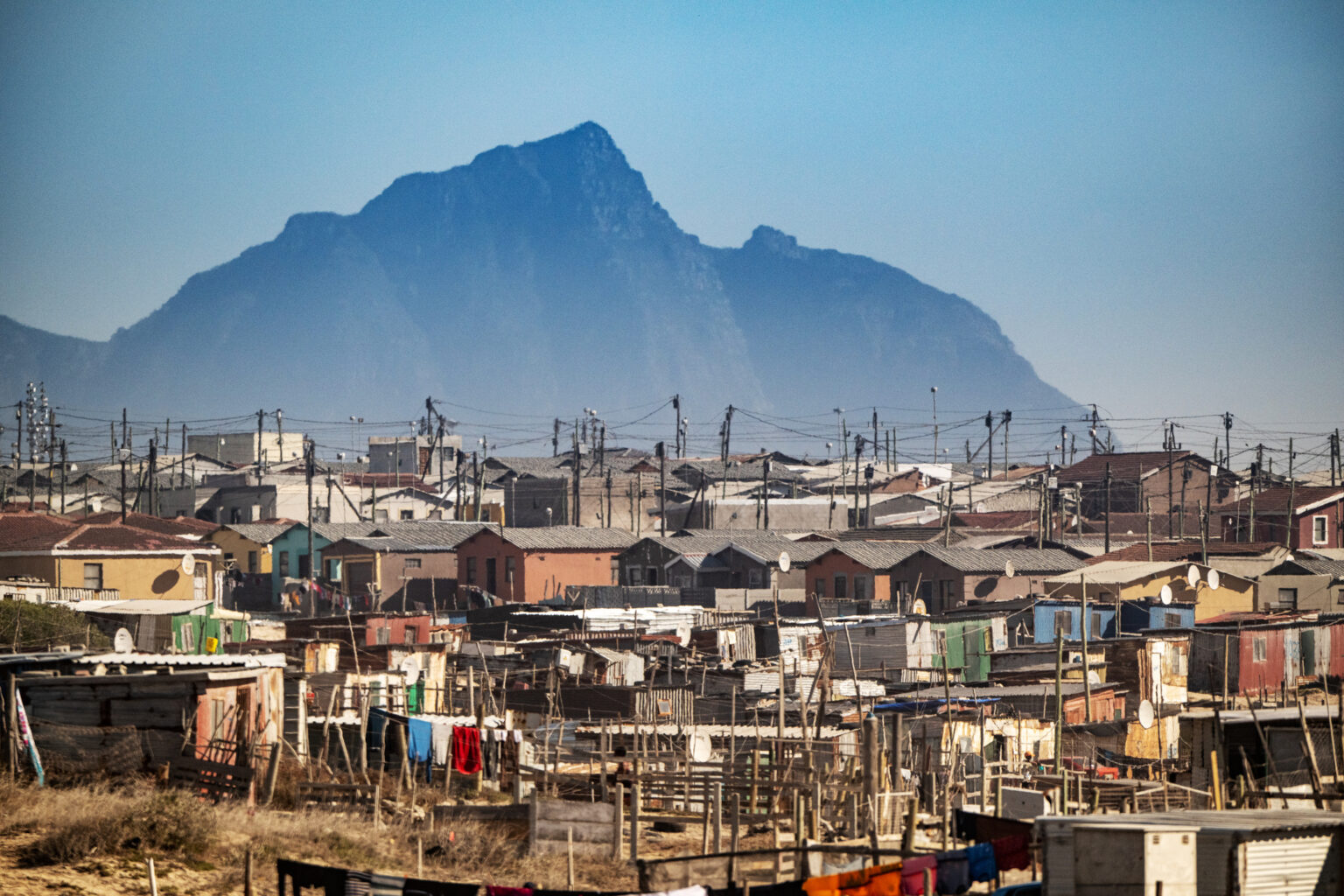
7. South African Reality: Strength in Community
In South Africa, single motherhood often exists within a wider cultural and economic context:
- High living costs
- Unequal job opportunities
- Strong extended family systems
- Community-based survival culture
Many women also rely on informal economies and flexible work to survive financially.
Despite challenges, resilience is a defining feature of many single-mother households.
Single motherhood in South Africa is not a simple story of struggle.
It’s also a story of strength, problem-solving, and daily survival under pressure.
There is no perfect way to do it—but there are sustainable ways to make life easier:
- better systems
- stronger support
- emotional boundaries
- and realistic expectations
Survival is not about doing everything alone.
It’s about doing what you can—smartly, consistently, and with support where possible.
Also see: From Township Dreams to Global Stages: How Black Coffee Built a Life He First Spoke Into Existence
Featured Image: Pexels
Be the first to know – Join our WhatsApp channel for content worth tapping into. Click here to join!