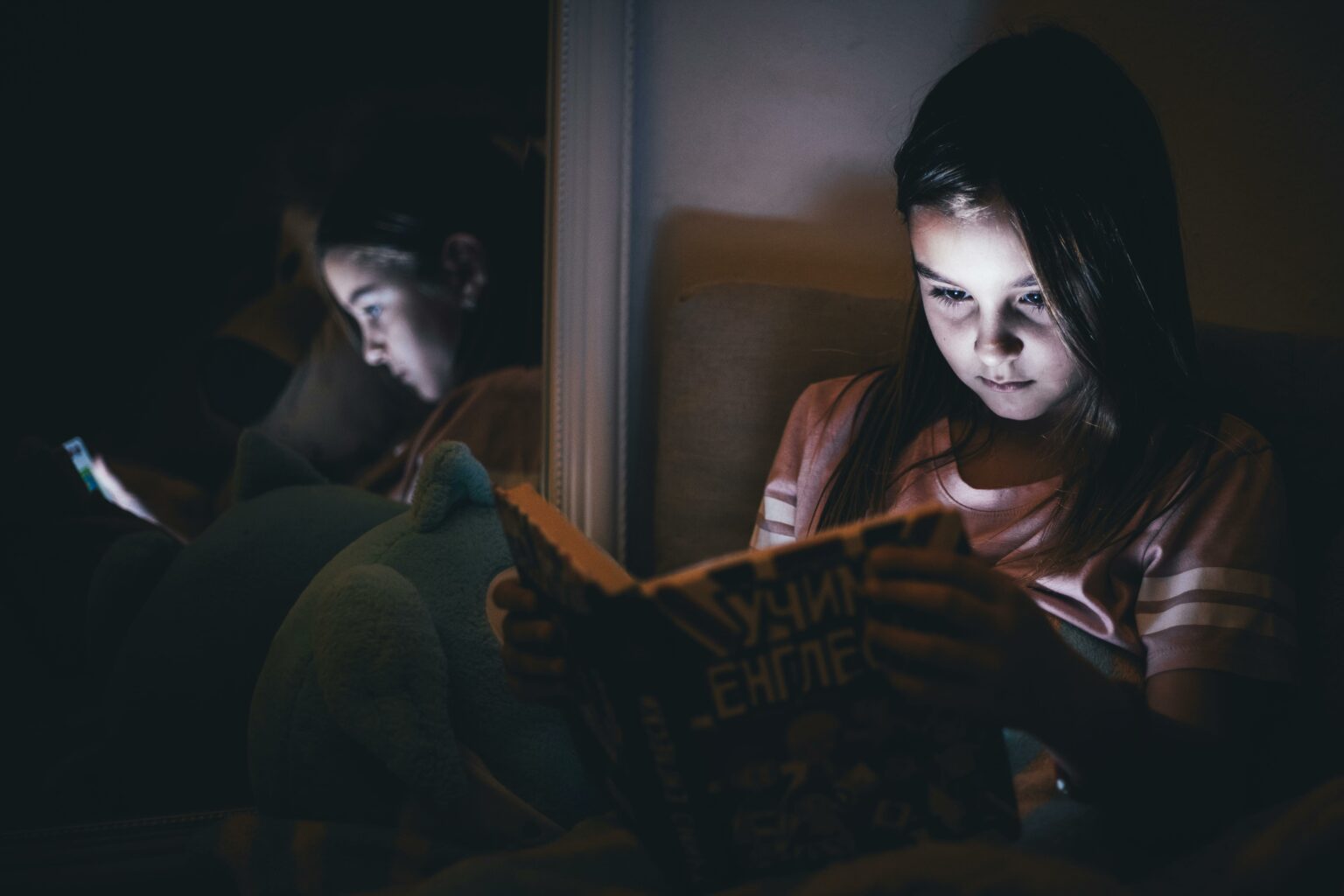
How to Build Healthy Screen-Time Habits for Kids
Screens are everywhere—phones, tablets, TVs, and computers are now part of everyday childhood. While they can be educational and entertaining, too much screen time can affect sleep, focus, behaviour, and physical activity.
The goal for parents is not to eliminate screens completely, but to create balance and structure so children learn to use technology in a healthy way.
1. Set Clear and Consistent Screen-Time Rules
Children thrive on structure, and screen time is no exception.
Set simple rules like:
- No screens during meals
- No devices before bedtime
- Screen time only after homework or chores
Consistency is key—when rules stay the same, children adapt faster and argue less.
2. Focus on Quality Over Quantity
Not all screen time is equal.
Instead of focusing only on “how long,” pay attention to what they are watching or doing.
Better choices include:
- Educational apps
- Creative drawing or learning tools
- Age-appropriate documentaries
- Interactive learning games
Avoid letting screens become purely passive entertainment for long periods.
3. Create Screen-Free Zones at Home
One of the most effective habits is setting tech-free spaces.
Examples:
- No phones at the dinner table
- No tablets in bedrooms
- Screen-free family time in the evenings
This encourages:
- Better sleep
- Stronger communication
- More family bonding
4. Encourage Offline Activities
Kids need balance between digital and real-world experiences.
Encourage activities like:
- Sports and outdoor play
- Drawing, painting, and crafts
- Reading books
- Family walks or outings
When offline activities are fun and engaging, children naturally rely less on screens.
5. Be a Positive Role Model
Children learn more from what they see than what they are told.
If parents are constantly on their phones, children will copy that behaviour.
Healthy habits to model:
- Put your phone away during family time
- Limit your own scrolling
- Engage in face-to-face conversations
6. Create a Daily Routine That Includes Screen Time
Instead of banning screens, integrate them into a routine:
Example:
- Homework → outdoor play → 30–60 minutes screen time → dinner → family time
This helps children understand that screens are just one part of the day, not the centre of it.
Building healthy screen-time habits is about balance, consistency, and guidance.
When parents set clear rules, encourage offline activities, and lead by example, children learn how to use technology responsibly—not depend on it.
The goal is not to remove screens completely…
But to raise children who know when to use them and when to switch off.
Also see: From Township Dreams to Global Stages: How Black Coffee Built a Life He First Spoke Into Existence
Featured Image: Pexels
Be the first to know – Join our WhatsApp channel for content worth tapping into. Click here to join!