Bad Bunny, ICE and the Super Bowl: Music, Identity, and Politics Collide
When Puerto Rican superstar Bad Bunny was announced as the headliner for Super Bowl LX’s halftime show, it should have been a celebration of music and culture. Instead, it ignited a political storm, revealing just how volatile the intersection of entertainment and identity has become in the United States.
From stage hype to political outrage
Almost immediately, conservative voices pounced. House Speaker Mike Johnson called the NFL’s choice “a terrible decision.” Former President Donald Trump labeled it “crazy” and “absolutely ridiculous,” while US Representative Marjorie Taylor Greene described it as “perverse” and “demonic.”
The outrage wasn’t limited to words. Some immigration hardliners suggested heightened ICE enforcement at the stadium. Meanwhile, conservative activist group Turning Point USA announced its own rival event: the “All American Halftime Show,” promising an alternative to what they deemed a politically charged halftime performance.
Social media erupted, with hashtags defending Bad Bunny trending alongside criticisms from the political right. The Super Bowl, normally a spectacle of sport and entertainment, had become a stage for America’s ongoing culture wars.
Why Bad Bunny stirs controversy
Benito Antonio Martínez Ocasio, better known as Bad Bunny, is a global icon. But the backlash is less about his music and more about language, identity, and politics.
-
He performs primarily in Spanish, embracing Latin identity and culture.
-
Born in Puerto Rico, a U.S. territory, he is a U.S. citizen, yet critics frame his cultural expression as foreign or subversive.
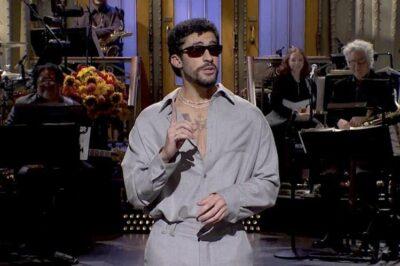
On Saturday Night Live, Bad Bunny addressed the critics with humor and defiance, telling viewers they had “four months to learn” Spanish. He framed the Super Bowl stage as more than personal achievementit was about visibility and recognition for Latin communities in the U.S..
@bestofsuperbowl 2020 – Shakira & Jennifer Lopez!!💃🏽🎶 #superbowl #halftimeshow #shakira #jenniferlopez #2020 ♬ original sound – BEST OF SUPERBOWL HALFTIME
ICE fears and concert anxieties
Bad Bunny’s concerns extend beyond rhetoric. On his recent world tour, he skipped U.S. dates due to fears that ICE raids could target concertgoers.
These worries were echoed by Trump-aligned figures like Corey Lewandowski, who said ICE would be present at the Super Bowl. Homeland Security Secretary Kristi Noem added that only “law-abiding Americans” should attend, intensifying anxiety among immigrant communities and fans.
Turning Point USA strikes back
Rather than accept the NFL’s choice, Turning Point USA launched an alternative: “The All American Halftime Show”. Promising a lineup of performers yet to be announced, the event markets itself as a counterweight to Bad Bunny’s performance.
Critics say TPUSA’s stunt is reactionary culture signaling, even bordering on nativist or exclusionary rhetoric. Supporters defend it as a stand against “woke entertainment,” promoting “faith, family and freedom.”
The clash highlights how pop culture has become a proxy battlefield for American identity politics, where musical stages are no longer just for entertainmentthey are symbols of who belongs and whose voices are visible.
From J.Lo and Shakira to Big Bunny
Only a few years ago, Latin artists like Jennifer Lopez and Shakira headlined the Super Bowl in 2020 without igniting controversy. Their performance was celebrated as a showcase of Latin culture’s crossover appeal.
Fast forward to today, and the conversation has shifted. Bad Bunny’s Spanish-language performance is framed by critics not as art, but as a political statement, a reflection of deeper societal fractures around race, language, and belonging.
A broader reflection of U.S. politics
The backlash against Bad Bunny cannot be divorced from the Trump-era immigration policies that hardened rhetoric toward Latinx communities. Hate crimes, harassment, and heightened enforcement under his administration set a precedent for viewing immigrant communities as “other,” even in spaces like a football stadium.
For Bad Bunny, the Super Bowl stage is not just about music, it’s a platform to assert visibility, representation, and cultural pride, in defiance of forces that seek to police identity rather than celebrate artistry.
The Bad Bunny debate reveals more than a cultural preference; it exposes a U.S. divided over identity, politics, and who gets to define “American culture” on its biggest stages.
Source: Joburg ETC
Featured Image: X{@PopBuzzNow}