
Social media has made it easier than ever to share life updates, celebrate milestones and stay connected with friends and family. But sharing too much personal information online can also create privacy, security and safety risks.
Also see: How to build a professional online presence
From your location and financial information to details about your relationships and family, not everything needs to become public content.
The South African Information Regulator encourages people to be cautious about sharing sensitive personal information on public forums, comment sections and social media. Its privacy guidance also recommends regularly reviewing privacy settings and limiting the amount of personal information shared online.
Here are some things you should think twice about posting.
1. Your home address
Avoid posting your full home address publicly, particularly alongside photos that make it easy to identify where you live.
Even seemingly harmless posts can reveal more than intended, such as the name of your residential complex, street, building or neighbourhood.
If you need to share your address with someone, consider doing so privately rather than posting it on a public platform.
2. Your exact location
Posting your location in real time can tell people where you are — and, potentially, where you are not. For example, repeatedly posting that you are away from home on holiday could reveal that your property is unoccupied.
The FTC recommends reviewing location settings and considering whether an app really needs access to your location.
Tip: Consider posting holiday photos after you return rather than broadcasting your movements in real time.
3. Your financial information
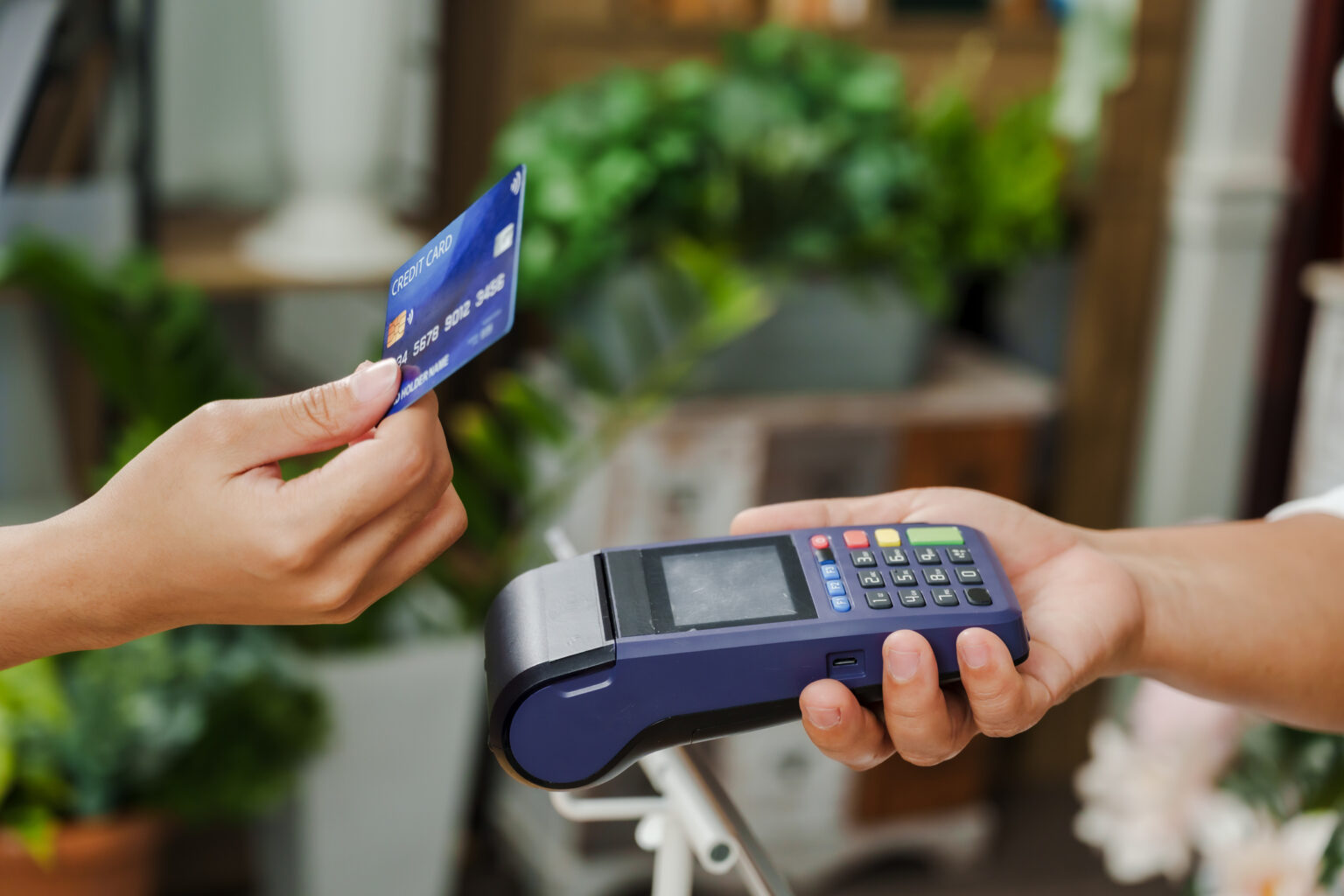
Never post photos or screenshots showing bank account numbers, card details, transaction information, salary information, passwords, PINs or other sensitive financial details.
Even if you cover part of the information, make sure nothing identifiable remains visible.
Personal information can be valuable to scammers and criminals, so it is worth keeping financial details offline and private, as listed by Consumer Advice.
4. Your passwords and security answers
Passwords should never be shared online — even as a joke.
Be careful about posting information that could also help someone guess your passwords or security questions, such as your pet’s name, childhood nickname, school or birthday.
The National Cybersecurity Alliance recommends limiting personal information shared on social media because it can potentially help criminals obtain identifying information.
5. Your daily routine
There is a difference between sharing your life and publishing a detailed schedule.
Regularly posting things like:
- What time you leave home
- Where you work
- When you go to the gym
- When your children are at school
- When you are travelling
- When your home is empty
can reveal patterns about your movements.
You don’t have to stop sharing your life — simply consider whether everyone who can see your content needs to know your routine.
Also see: Keeping kids safe online: Why cyber awareness matters
6. Private relationship problems
It can be tempting to turn relationship arguments into social-media content, especially when you are hurt or angry.
But once a private disagreement becomes public, it can be difficult to control who sees it, screenshots it or shares it. Before posting, ask yourself whether you would still want the information online once the emotions have settled.
7. Other people’s private information
Your account may be yours, but that doesn’t mean you have permission to share someone else’s personal information.
Think twice before posting another person’s:
- Phone number
- Address
- Private messages
- Personal documents
- Medical information
- Intimate photographs
- Workplace details
The Information Regulator’s privacy guidance specifically advises people to consider whether they have consent before posting information about another person.
8. Your children’s personal details
Parents often share adorable moments from their children’s lives, but consider how much personal information accompanies those photos.
Avoid publicly revealing unnecessary details such as a child’s school, regular activities, home address or daily routine.
The FTC similarly advises parents to consider how information shared through social media could affect children’s privacy both now and in the future.
9. Important documents
Be careful when sharing photographs of passports, identity documents, driver’s licences, boarding passes, payslips, medical documents or other paperwork.
Even when the post seems harmless, documents can contain information that could be misused.
Before uploading a photograph, check the entire image — including the background — for personal information.
10. Every detail of a big purchase
You don’t necessarily need to share every detail of your new car, home, jewellery or other expensive purchase.
Celebrating a milestone is perfectly fine, but avoid displaying information that could reveal your address, financial details, security arrangements or other sensitive information.
11. Your work’s confidential information
Be careful about posting photographs from your workplace.
A seemingly innocent office selfie could accidentally reveal confidential documents, customer information, passwords, computer screens or internal company information.
If you’re unsure whether something is appropriate to share, check your employer’s social-media policy first.
12. Anything you would regret seeing again
One of the most important rules of online sharing is to remember that deleting a post does not guarantee that it has disappeared.
Someone may have taken a screenshot, downloaded the image or forwarded the message before you deleted it. The FTC warns that it can be impossible to completely control who sees content online, even when privacy settings are enabled.
Think before you post
Before sharing something online, ask yourself:
- Do I need everyone to know this?
- Could this information identify me, my family or where I live?
- Would I be comfortable if this post was shared outside my intended audience?
- Have I shared someone else’s information without their permission?
- Could this information be used against me by a scammer?
You don’t have to disappear from social media to protect your privacy. Instead, become more intentional about what you share, who can see it and what information your posts reveal.
The Information Regulator’s privacy guidance recommends regularly reviewing privacy settings, using strong security measures and being cautious with personal information shared online.
In the digital age, privacy is not about hiding your life — it’s about deciding which parts of your life deserve to remain yours.
Also see: Online security: Why digital safety requires all of us
Be the first to know – Join our WhatsApp channel for content worth tapping into. Click here to join!