

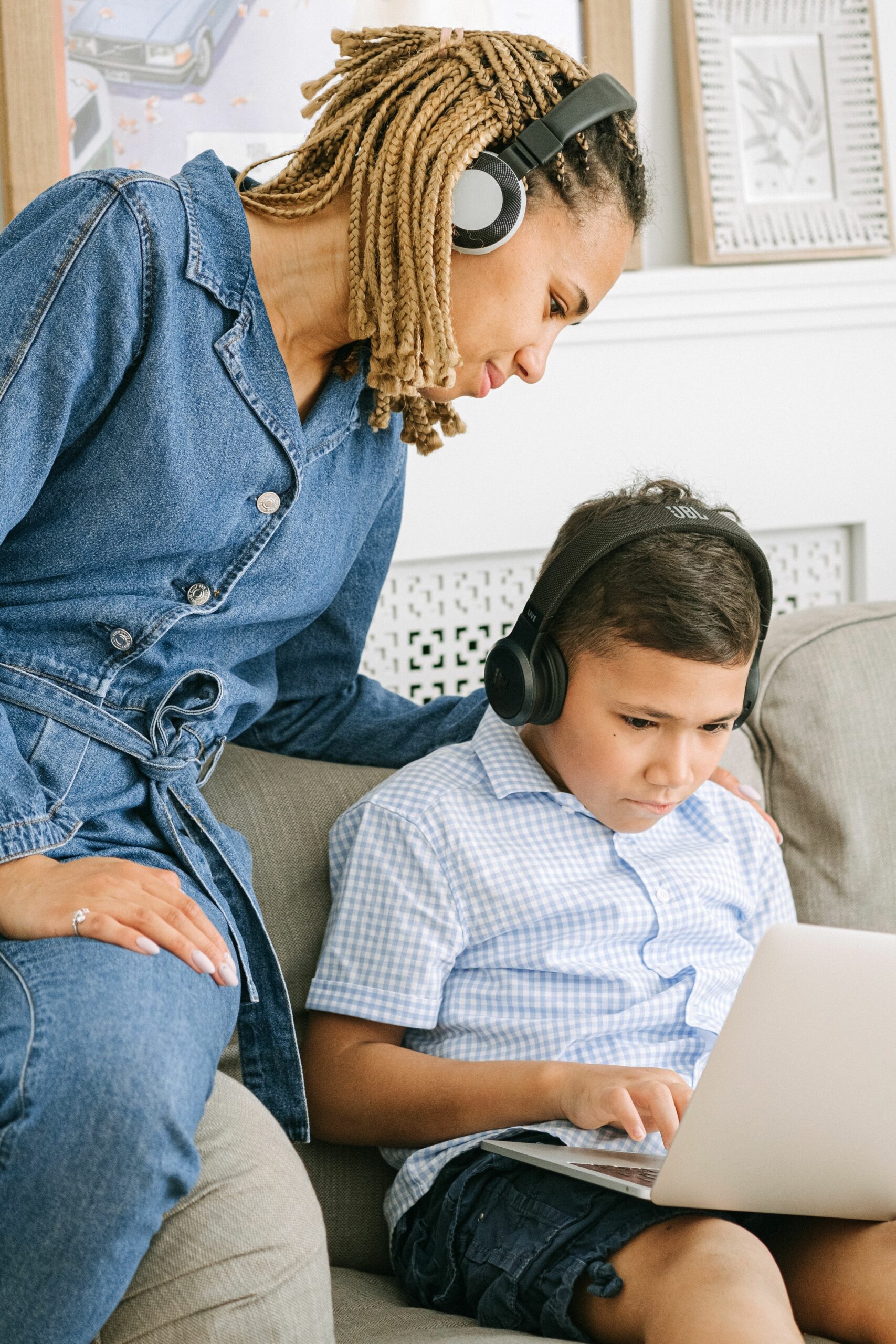
The internet has become an important part of childhood. Children use smartphones, social media, online games and educational platforms to learn, communicate and have fun.
Also see: The soft parenting of kids: Good, bad, or the new norm?
But with these opportunities come risks, making digital awareness and online safety skills essential life skills for children.
Being ‘cyber savvy’ means knowing how to use technology safely, responsibly and confidently.
It is not simply about knowing how to operate a phone or computer; children also need to understand privacy, scams, cyberbullying, harmful content, strangers online and the importance of protecting personal information.
Children face real risks online
Research highlighted by UNICEF South Africa shows how widespread internet use is among children. A South African study found that more than 95% of children had regular internet access.
However, 70% of children surveyed said they used the internet without parental consent, while 25% had added people they had never met in person to their contacts. Only 41% said they had received information about online safety.
These figures demonstrate why simply giving children access to technology is not enough. They need the knowledge to recognise danger and make responsible decisions.
Protecting personal information
Your kids should understand that information shared online can be difficult to remove. Names, photographs, passwords and other personal information can potentially be misused.
The UNICEF research study advises parents to help children understand their digital footprint and use privacy settings appropriately.
Keeping devices and software updated is also an important part of protecting children online.
Parents can teach children to:
- Keep passwords private and use strong passwords.
- Avoid sharing their home address or location publicly.
- Think carefully before posting photographs or videos.
- Check privacy settings on social media accounts.
- Avoid accepting friend requests from strangers.
- Ask a trusted adult before downloading unfamiliar apps.
Also see: Things to consider when taking parenting advice as a new mom
Dangers of cyberbullying
Unlike traditional bullying, cyberbullying can reach a child wherever they have access to a phone or the internet. Hurtful messages, embarrassing photographs, rumours and threats can quickly spread to large audiences.
The South African Police Service warns parents to look for changes such as anxiety after using a phone, withdrawal from friends and family, secrecy around online activity, mood changes or reluctance to attend school.
Being cyber-savvy means that your kids are learning how to identify unreliable information, scams, and suspicious websites. They should understand that not everything they see online is true and that people may not always be who they claim to be.
Raising responsible digital citizens
Cyber-savvy children are not children who are prevented from using technology. They are children who understand how to use it responsibly.
They should learn to protect their privacy, respect others online, recognise suspicious behaviour, report harmful content and seek help when necessary.
The internet offers enormous opportunities for education, creativity and connection. But children need the right knowledge to navigate it safely.
Teaching children to be cyber-savvy can help them become safer, more responsible and more confident in using the internet.
Also see: 7 Parenting rules families are rewriting in 2026
Featured image: Pexels
Be the first to know – Join our WhatsApp channel for content worth tapping into. Click here to join!