Self-introspection is the ability to look inward—to examine our thoughts, emotions, motivations, and behaviours with honesty. While many men recognise the value of self-awareness, a significant number struggle to practice it consistently.
This isn’t because men are incapable of introspection. Rather, it often reflects the messages they receive from childhood, the expectations placed upon them, and the environments in which they live.
Also see: Why more women are choosing to age well instead of looking younger
The weight of expectations
From an early age, many boys are taught to be strong, independent, and emotionally resilient. Phrases such as “man up,” “don’t cry,” or “be tough” can unintentionally send the message that vulnerability is a weakness. Over time, this can make self-examination feel uncomfortable or even threatening.
Instead of asking, “Why do I feel this way?” many men learn to focus on solving external problems while leaving internal struggles unexplored.
Fear of what lies beneath
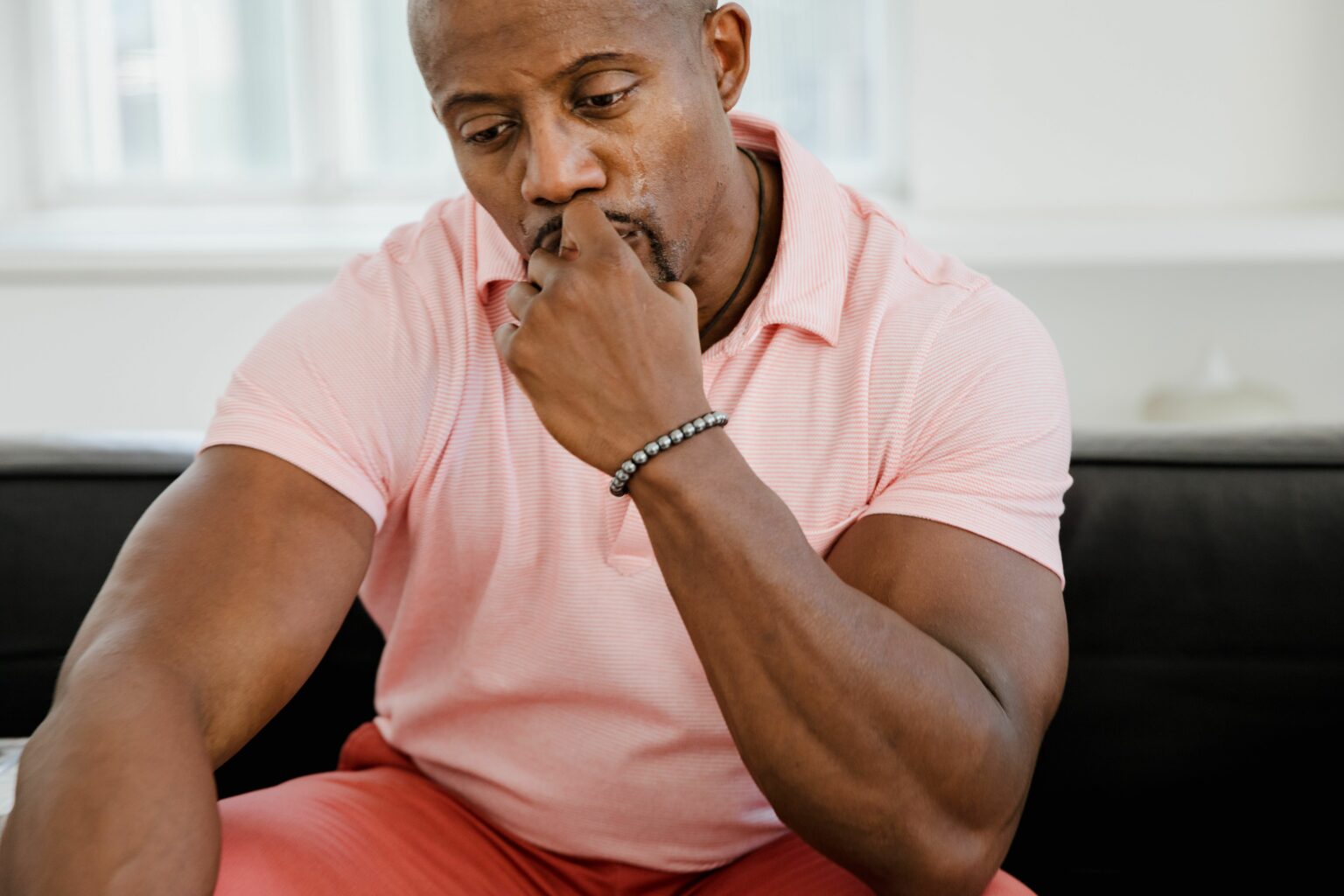
Introspection often uncovers painful emotions, regret, insecurity, grief, fear, or unresolved trauma. Facing these feelings requires courage. For some men, staying busy with work, hobbies, or responsibilities becomes a way to avoid confronting emotions they were never taught how to process. Avoidance may offer temporary relief, but it rarely brings lasting peace.
Also see: The peptide boom: Why longevity medicine is having a moment
Success can become a distraction
Modern society often measures men by their achievements: career success, financial stability, physical strength, or social status. While ambition is valuable, an exclusive focus on external success can leave little room for inner growth. A man may spend years building a successful life while never asking whether it truly aligns with his values and aspirations.
The fear of appearing weak
Some men worry that acknowledging uncertainty or emotional pain will make them appear less capable. In reality, self-awareness often strengthens confidence because it enables better decision-making, healthier relationships, and greater resilience. Recognising one’s limitations is not a sign of weakness; it is often a sign of maturity.
The strongest men are not those who never struggle. They are the ones who dare to look inward, learn from what they discover, and continue growing.
Also see: Why parasocial relationships may be good for your mental health
Featured image: Pexels
Be the first to know – Join our WhatsApp channel for content worth tapping into. Click here to join!