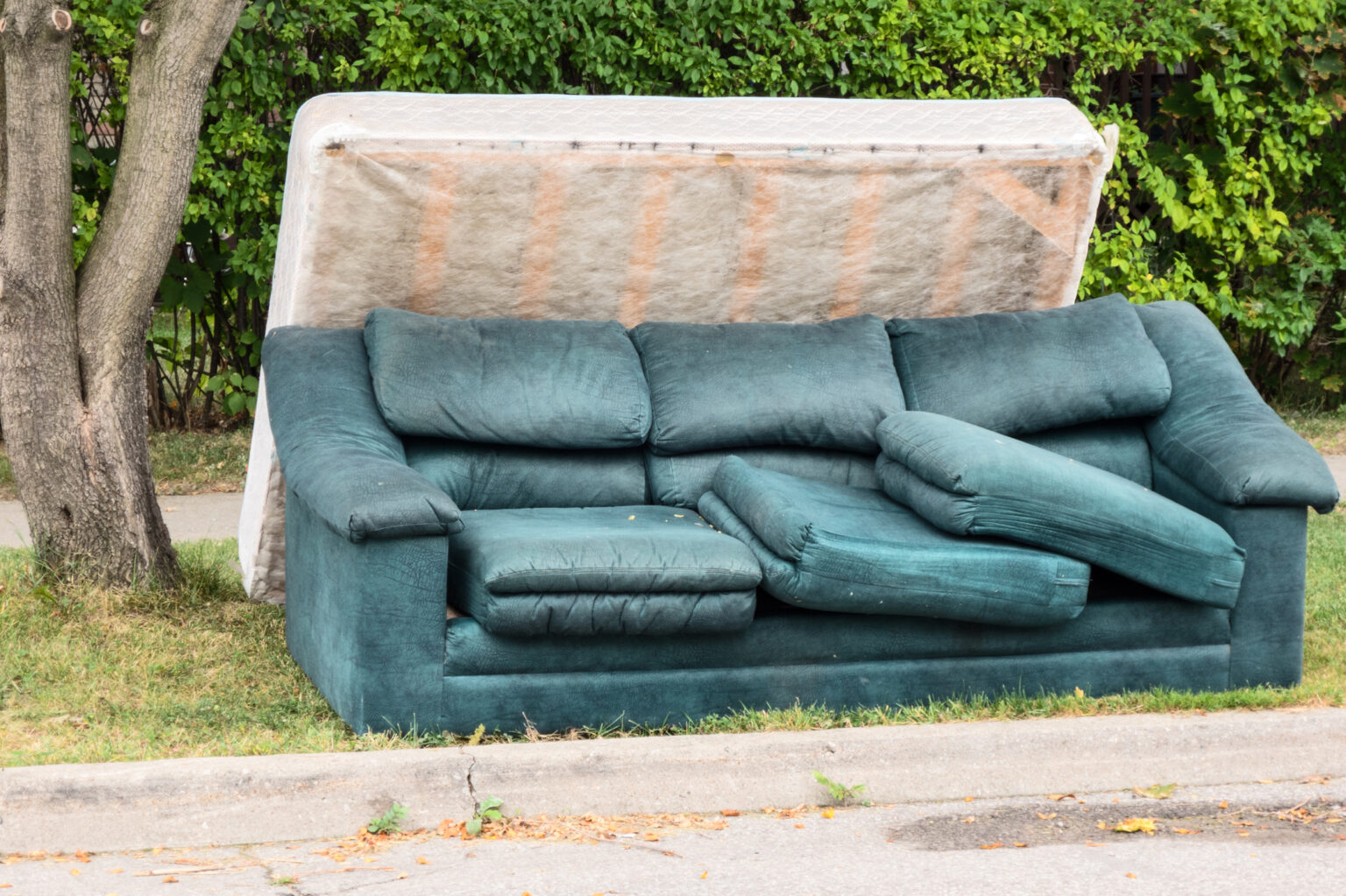
A little cleaning can go a long way when it comes to keeping furniture looking good, but the wrong cleaning habits could do more harm than good.
Also see: Spring cleaning checklist: What to tackle room by room
That quick spray, extra splash of water or forgotten cushion rotation may seem harmless. Over time, however, these habits can contribute to stains, moisture damage, unpleasant odours and furniture that looks more worn than it should.
Cleaning experts at Southern Living have highlighted some of the mistakes homeowners should avoid if they want their furniture to stay in good condition for longer.
More water does not mean a better clean
It can be tempting to really wet a dirty area and scrub away. But furniture is not necessarily designed to handle large amounts of moisture.
Fabric can absorb water and take a long time to dry, while excess moisture on wooden furniture can affect its finish and contribute to swelling or warping.
The safer approach is to use as little moisture as possible. If you accidentally use too much, soak up the excess with a clean cloth and allow the area to dry properly.
Be careful with cleaning products
Using more product does not automatically mean getting better results.
According to cleaning expert Kathy Cohoon, excess cleaning solution can become trapped in upholstery. Once it dries, it may leave residue or even cause discolouration.
Always follow the amount recommended by the manufacturer rather than assuming that an extra squirt will make a difference.
If you’ve already gone overboard with the product, try to absorb the excess rather than allowing it to remain in the furniture.
Your sofa cushions need a little attention too
Cushions can develop uneven wear when they are always used in the same position.
This can eventually leave certain parts looking saggy or more worn than others, particularly on sofas and chairs where people tend to sit in the same spots.
A simple monthly routine can help. Rotate and flip removable cushions regularly. If pets have a favourite place to curl up, you may want to do it more often.
Don’t assume every cleaner works everywhere
That bottle sitting under the kitchen sink might be useful for one job, but that does not mean it belongs on every surface in your home.
Dish soap and vinegar may seem like convenient all-purpose options, but delicate furniture can require very different care.
Cohoon warns that the wrong cleaning product can drive a stain further into fabric fibres, potentially making the problem more difficult to deal with.
Before cleaning, check the furniture’s care instructions. A product suitable for a carpet, for example, may not be appropriate for velvet upholstery. Likewise, wood polish should not automatically be used on a glass tabletop.
Also see: Safe cleaning: Avoid these detergents if you have pets
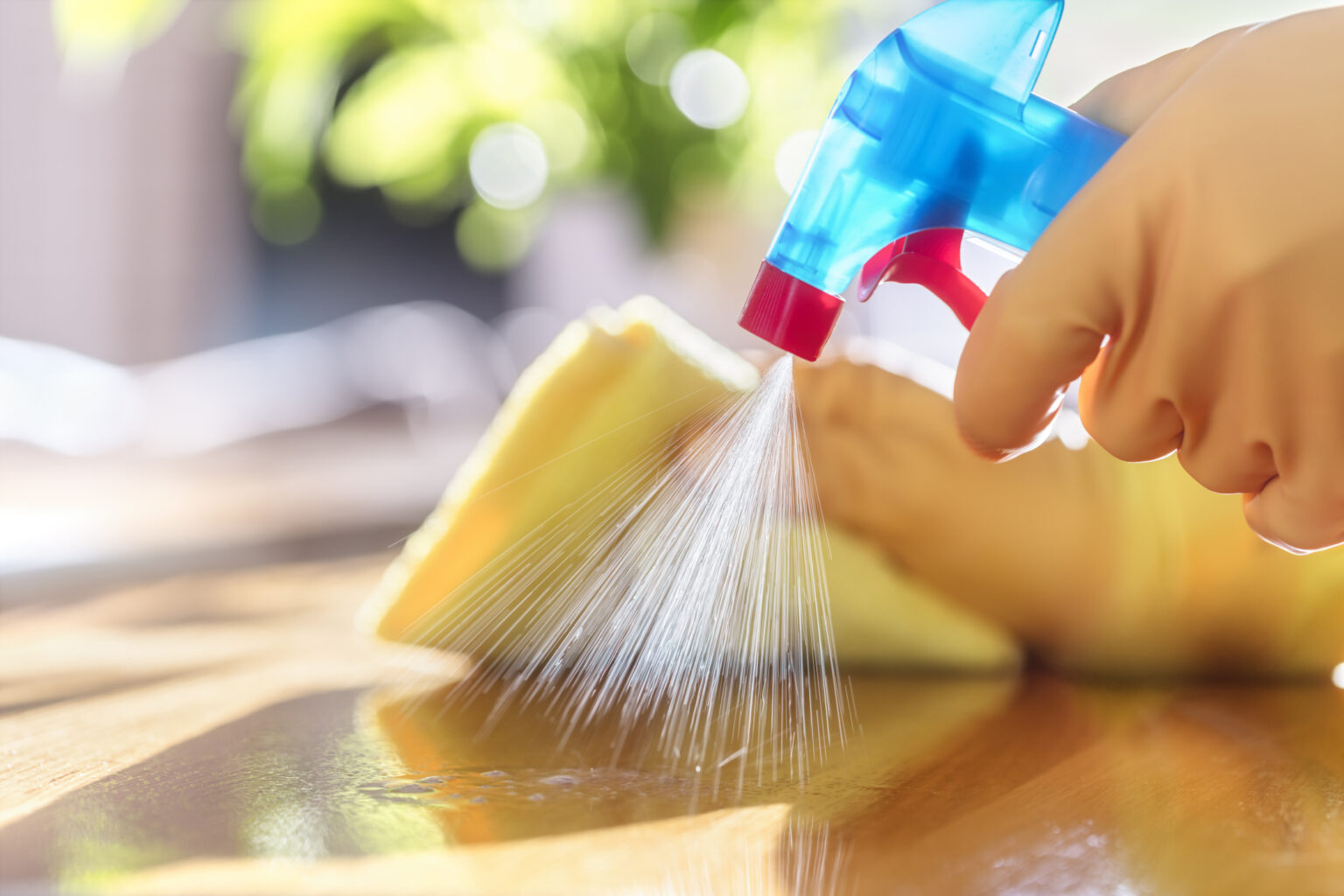
Spray the cloth, not the furniture
Another easy way to avoid overdoing it is to change where you apply your cleaning product.
Rather than spraying a solution directly onto the furniture, FreshSpace Cleaning’s Rhonda Wilson recommends putting a small amount onto the cloth or cleaning tool first.
This gives you greater control over how much product reaches the surface. It can also help prevent furniture from becoming oversaturated and reduce the risk of moisture making its way deep into upholstery.
Your cleaning tools need cleaning too
There is little point in cleaning your sofa with a vacuum that is already full of dirt.
Cohoon notes that using a vacuum with a full bag or dirty filter can make it less effective and may transfer dirt and odours back onto the furniture.
The same principle applies to other cleaning equipment around the house.
Empty vacuum bags, replace filters when needed, clean brooms and wash mop heads regularly. Keeping your cleaning tools in good condition can make a noticeable difference to the results.
Don’t wait until your furniture looks dirty
Deep cleaning may get all the attention, but small and regular cleaning jobs are just as important.
A quick wipe of a table or a regular vacuum of the sofa can stop dust and dirt from building up. It also means you’re more likely to spot spills and stains while they are still fresh.
Leaving everything until a major clean can make the eventual job more difficult — and can allow everyday dirt to take a greater toll on your furniture.
Plastic covers aren’t a long-term solution
Furniture covers can be useful when you’re moving house or storing furniture. However, plastic should not be left over furniture for extended periods.
Wilson advises allowing furniture to ‘breathe,’ as plastic can trap moisture. That trapped moisture can create conditions where mould or mildew develops.
For longer-term protection, cotton, canvas or mesh covers are better options, and before furniture goes into storage or is transported, make sure it has been properly cleaned.
Also see: Cleaning mistakes that actually make your home dirtier
Be the first to know – Join our WhatsApp channel for content worth tapping into. Click here to join!