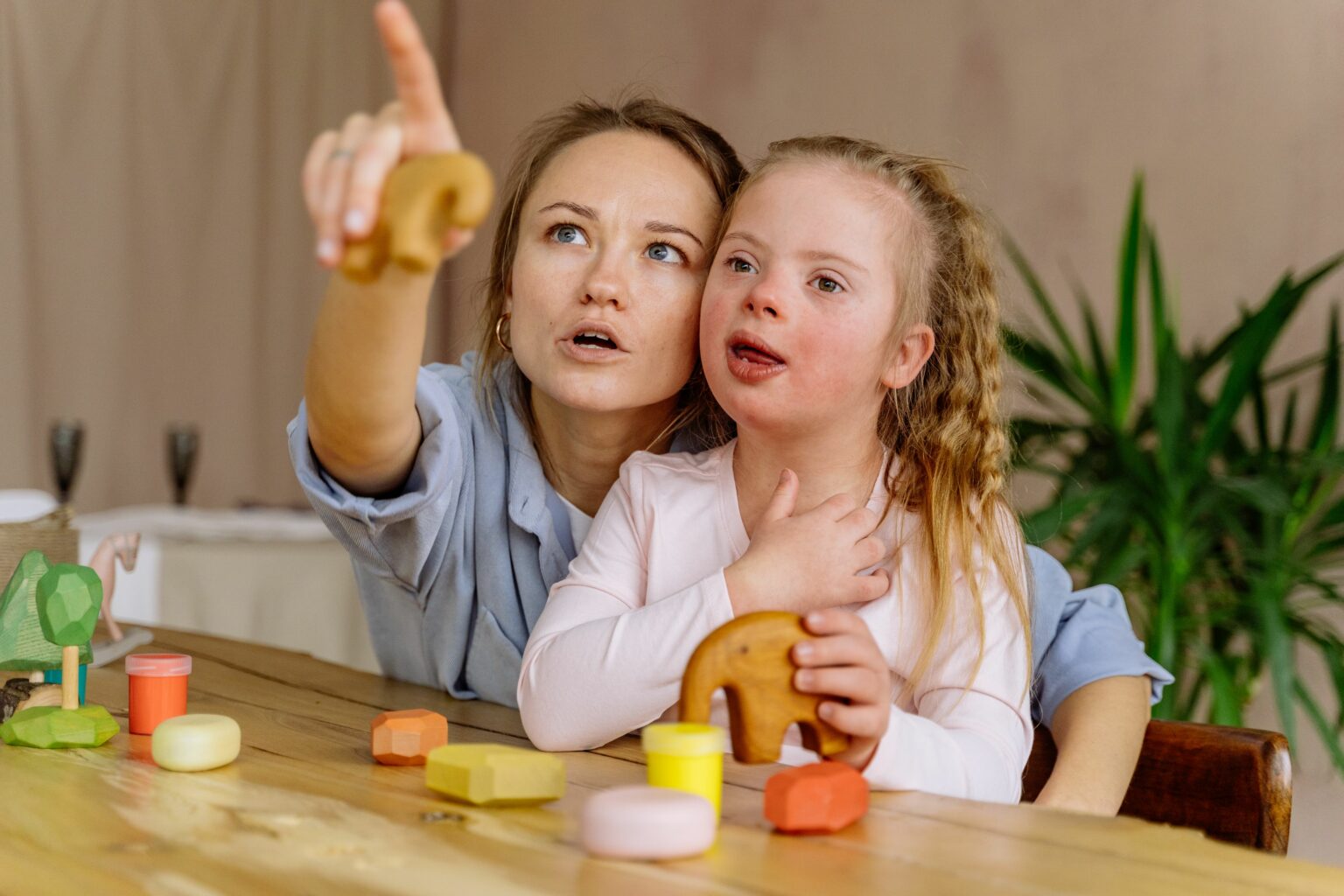
Parenting a child living with a disability involves navigating medical systems, developmental needs, emotional adjustment, and long-term planning while supporting the child’s autonomy and quality of life.
Modern medical guidance emphasises early identification, multidisciplinary care, and family-centred support as key factors in improving outcomes.
Also see: Different parenting styles that will work for you
Understanding childhood disability
Childhood disability is an umbrella term covering long-term physical, developmental, intellectual, sensory, or neurological conditions that may limit functioning in daily activities.
According to the World Health Organisation, disability is an interaction between health conditions and environmental barriers rather than a fixed trait of the individual, meaning that outcomes depend heavily on access to healthcare, education, assistive technology, and social support.
Parenting a child with a disability presents unique challenges and opportunities that require patience, understanding, and resilience. The journey is about nurturing while adapting to the specific needs of the child, ensuring they thrive emotionally, socially, and physically.
Understanding the child’s needs
Every child with a disability has distinct needs depending on their condition, abilities, and personality. Parents must learn about the disability, medical requirements, and developmental milestones to provide the appropriate support. This understanding helps in creating a safe and nurturing environment that encourages independence and confidence. This is where early detection comes in.
Also see: The soft parenting of kids: Good, bad, or the new norm?
Early identification and diagnosis
Early detection is one of the strongest predictors of improved long-term outcomes of taking care of your disabled child. Psychology Today recommends routine developmental screening and following expert advice on maintaining the well-being of your child with special needs.
Why early diagnosis matters:
- Enables early therapy (speech, occupational, physical)
- Reduces secondary complications
- Improves school readiness
- Supports caregiver planning and coping
Emotional support and family dynamics
Raising a child with a disability can impact family dynamics, requiring open communication and emotional resilience. It is essential to address the emotional needs of all family members, including siblings, and to seek counselling or support groups when needed.
Celebrating small achievements fosters positivity and strengthens family bonds.
Encouraging independence and growth
Supporting a child’s independence is vital for their self-esteem and development. Encouraging participation in daily activities, social events, and decision-making helps them build skills and confidence. Tailored goals and patience in progress are key components of this nurturing process.
Parenting a child with a disability is a long-term journey shaped by medical care, educational access, emotional resilience, and systemic support. Evidence from global health authorities consistently shows that early intervention, inclusive environments, and strong caregiver support systems are the most effective ways to improve outcomes.
Rather than focusing solely on limitations, modern disability care emphasises abilities, participation, and quality of life—supported by coordinated medical and social systems.
Also see: Modern Parenting: Navigating Today’s Challenges with Confidence
Featured image: Pexels
Be the first to know – Join our WhatsApp channel for content worth tapping into. Click here to join!