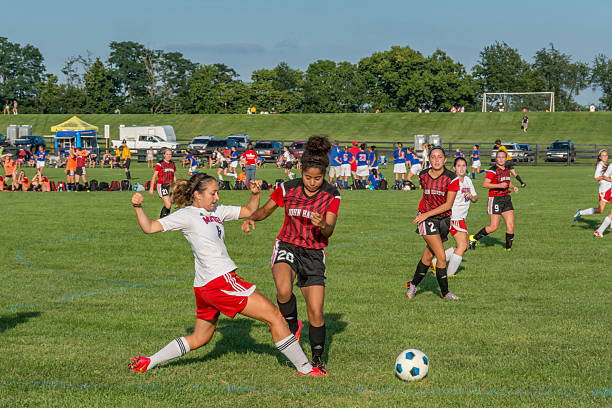
Sports play a vital role in the development of young people, offering physical health benefits, teamwork skills, and confidence. However, many South African girls tend to leave sports during their teenage years in high school.
Understanding the reasons behind this trend is important for addressing the challenges and creating better support systems.
Also see: Teacher empowers young female pupils with modelling lessons
Societal and cultural pressures
In many South African communities, traditional gender roles still influence the activities girls are encouraged to pursue. Sports may be viewed as a male-dominated arena, leading to less support from families and communities for girls who want to continue playing.
Girls often face expectations to focus more on academics or domestic responsibilities, which can limit their time and motivation for sports.
Lack of resources and facilities
Many schools, especially in underprivileged areas, struggle with limited access to quality sports facilities and equipment. When resources are scarce, priority is often given to boys’ sports teams, making it harder for girls to train, compete, and stay engaged.
This lack of opportunity can discourage girls from continuing sports as they grow older.
Also see: Penuel Mlotshwa’s brotherly advice to young girls entering Joburg for first time
Academic and time pressures
High school years bring increased academic demands, and many girls feel pressured to prioritise their studies over extracurricular activities like sports. Balancing schoolwork, household duties, and social life leaves little time for regular sports participation, causing some to drop out.
Safety concerns and social issues
Safety is another significant factor. Girls may face harassment or unsafe environments when travelling to or from sports venues. Additionally, peer pressure and concerns about body image or fitting in socially can reduce girls’ willingness to participate in sports.
The decision of many South African girls to leave sports in their teenage years is influenced by a combination of cultural expectations, limited resources, academic pressures, and safety concerns. Addressing these challenges requires community support, improved facilities, and encouragement to keep girls engaged, helping them realise the many benefits of continued participation.
Also see: Community activists are the unsung heroes for HIV prevention of young women
Be the first to know – Join our WhatsApp channel for content worth tapping into. Click here to join!