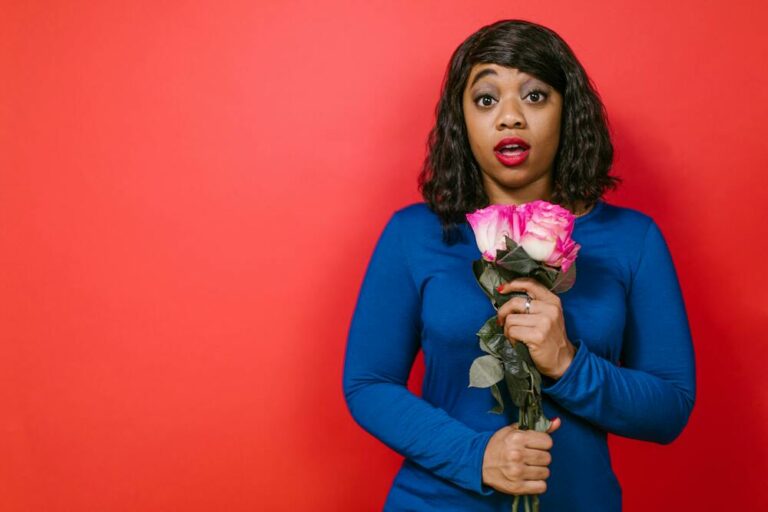
Turning 30 is often accompanied by growing questions about relationships, marriage, and long-term commitment. Despite changing lifestyles and evolving social norms, many people still feel pressured to meet traditional milestones by a certain age.
Also see: Women drive divorce filings as marriages in Mzansi decline
From family gatherings to social media engagement announcements, the expectation to be “marriage-ready” in your 30s can create emotional stress, self-doubt, and anxiety — particularly for those who are single or uncertain about settling down.
According to relationship experts, societal timelines around marriage continue to shape how adults measure personal success and emotional progress.
Social media has intensified comparison culture
In the digital age, comparison has become unavoidable. Engagement shoots, wedding videos, pregnancy announcements, and curated couple content dominate online spaces, making many people feel as though they are falling behind.
Experts say constant exposure to idealised relationship milestones can increase feelings of inadequacy and pressure. According to mental health professionals, social comparison on platforms like Instagram and TikTok can negatively affect self-esteem and relationship satisfaction.
For many adults in their 30s, the pressure is no longer just internal — it is reinforced daily through digital culture.
Financial realities are changing relationship decisions
Marriage in modern society is also deeply tied to financial stability. Rising living costs, unemployment, debt, and housing expenses have caused many people to delay marriage or long-term commitment.
According to research from the Pew Research Center, financial preparedness is one of the biggest reasons adults postpone marriage, with many prioritising career growth and economic stability first.
This has shifted the idea of what being “ready” for marriage actually means. Emotional maturity alone is often no longer viewed as enough.
Women often face greater societal pressure
Although both men and women experience pressure around marriage, women are often subjected to stronger societal expectations regarding age, fertility, and family planning.
Psychologists note that cultural messaging around “biological clocks” and traditional gender roles can create additional anxiety for women entering their 30s unmarried.
In many communities, questions about marriage are still treated as indicators of success, maturity, or stability — even when individual goals differ.
Also see: WATCH: Woman kneels, speaks in tongues during marriage proposal – internet reacts
Redefining what readiness looks like
Relationship experts say the concept of being “marriage-ready” has evolved significantly. Rather than focusing purely on age, many people now prioritise:
- Emotional intelligence
- Mental health
- Compatibility
- Financial awareness
- Personal growth
- Shared values
Therapists argue that readiness cannot be measured by a timeline alone, and that healthy relationships often develop at different stages of life.
More people are choosing intentional relationships
Interestingly, many adults in their 30s are becoming more selective rather than more desperate. Instead of rushing into marriage, people are taking more time to evaluate compatibility, long-term goals, and emotional safety.
According to relationship researchers, delayed marriage does not necessarily reflect failure — in many cases, it reflects changing priorities and greater self-awareness.
The pressure to be “marriage-ready” in your 30s remains deeply rooted in social expectations, but modern relationships are no longer following a single timeline. As conversations around mental health, independence, and intentional living continue to grow, more people are redefining what commitment and readiness truly mean for themselves.
Also see: Cyan Boujee reacts to viral marriage and pregnancy rumours
Be the first to know – Join our WhatsApp channel for content worth tapping into. Click here to join!