
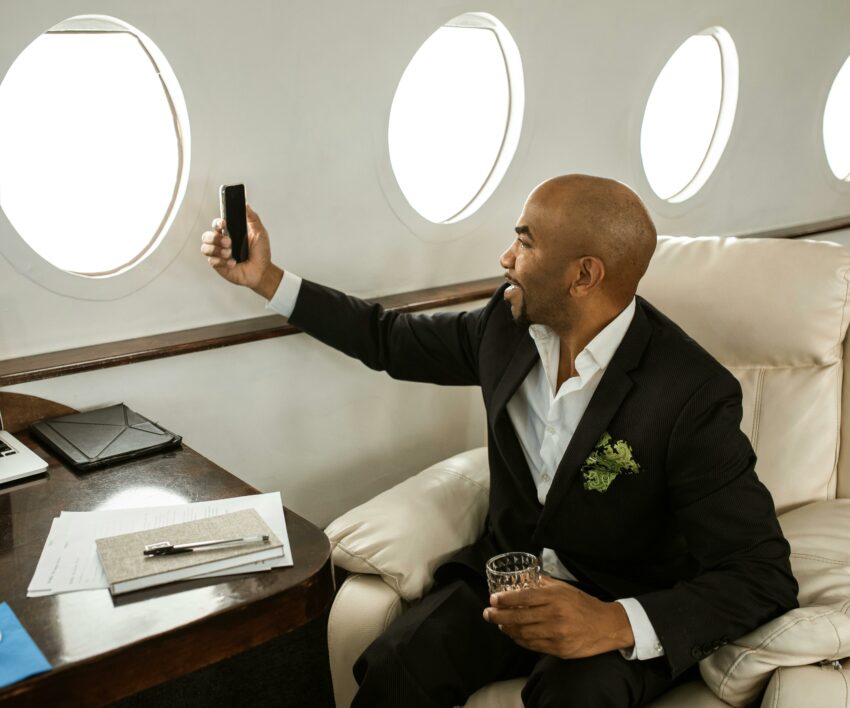
The Real Cost of “Looking Rich” on Social Media
Somewhere along the way, social media stopped being about sharing your life and became about staging one.
Now every scroll feels like a competition:
- luxury brunches,
- airport selfies,
- designer shopping bags,
- “soft life” vlogs,
- expensive skincare routines,
- bottle service,
- luxury apartments,
- and girls in matching satin pyjamas drinking wine in hotel robes before posting captions about “healing.”
And honestly? After a while, it starts messing with your perception of what’s normal.
Because online, everybody suddenly seems rich.
Or at least rich-looking.
But behind many of those perfectly curated posts is a reality people rarely show:
credit card debt, payment plans, financial anxiety, burnout, and constant pressure to maintain an image that often isn’t sustainable.
Social Media Turned Wealth Into Aesthetic
One of the biggest changes social media created is that wealth is no longer just financial.
It’s visual.
People don’t only want to be successful anymore — they want to look successful online. Researchers and cultural commentators increasingly describe social media as a space where status itself becomes performance.
That’s why modern “rich aesthetics” are so specific now:
- luxury candles,
- neutral-toned apartments,
- Pilates memberships,
- designer perfumes,
- matcha,
- airport content,
- luxury gymwear,
- and expensive-looking routines.
Even rest has become aesthetic.
And because algorithms reward aspiration and envy, flashy lifestyles often perform better online than ordinary reality.
A Lot of Online Luxury Is Not What It Looks Like
This is the part many people quietly know but still forget while scrolling.
A surprising amount of “wealth content” online is heavily staged, rented, financed, or temporary. Discussions online repeatedly point out that luxury cars, private jet sets, designer clothing, and high-end properties are often rented specifically for content creation.
Some influencers make money from appearing wealthy because luxury attracts attention, sponsorships, and followers.
So the image itself becomes the business model.
Which creates a strange cycle:
- look rich online,
- gain attention,
- monetise the attention,
- continue performing wealth.
But for ordinary people consuming that content every day, the psychological effect can become exhausting.
“Soft Life” Culture Became Financial Pressure for Many Women
The “soft life” trend started as something understandable.
For many women — especially Black women — it represented rest, ease, femininity, and escaping burnout culture.
But somewhere along the line, softness became commercialised.
Suddenly “healing” started looking expensive:
- luxury holidays,
- expensive skincare,
- designer handbags,
- aesthetic apartments,
- constant self-care spending,
- and hyper-curated lifestyles.
And social media blurred the line between self-care and consumerism.
Articles examining TikTok haul culture and luxury trends increasingly warn that some women are financing aspirational lifestyles through debt, Buy Now Pay Later services, and overspending.
The pressure is subtle but constant:
If your life doesn’t look soft online, it can feel like you’re failing somehow.
Comparison Culture Quietly Destroys Financial Confidence
One of the hardest parts of social media is that people compare their entire financial reality to someone else’s highlight reel.
Online discussions about adulthood and money increasingly reflect feelings of inadequacy caused by constant exposure to luxury lifestyles and rapid success stories.
People start wondering:
- “Why am I behind?”
- “How does everyone afford this?”
- “Am I failing financially?”
- “Should I be doing more?”
But social media rarely shows:
- debt,
- overdrafts,
- unpaid bills,
- family support,
- sponsorship deals,
- or financial stress.
It mostly shows outcomes without context.
And that distorts reality fast.
Lifestyle Inflation Is Becoming Normalised
A major issue financial experts keep warning about is lifestyle inflation — increasing spending every time your income increases instead of building long-term stability.
Social media accelerates that pressure because trends move constantly.
One month it’s luxury gymwear.
Then it’s “old money” fashion.
Then designer perfumes.
Then expensive wellness routines.
Then luxury travel content.
The target keeps moving.
And many people end up spending money just to maintain an online identity they barely even enjoy offline anymore.
The Emotional Cost Is Bigger Than People Admit
What often gets ignored in conversations about social media and luxury culture is the emotional exhaustion behind it.
Trying to constantly appear successful online can create:
- anxiety,
- validation dependence,
- insecurity,
- burnout,
- and financial shame.
Some people become trapped performing happiness instead of actually experiencing it.
There’s also growing backlash online against “flex culture” and overconsumption, especially among younger users becoming more critical of influencer lifestyles.
Even online communities increasingly question whether appearing rich online is worth the pressure at all.
And honestly, many people are getting tired of constantly consuming aspirational content that makes ordinary life feel inadequate.
Real Wealth Usually Looks Much Quieter
One interesting thing repeated constantly in finance discussions?
People who are genuinely financially secure often look far less flashy than social media suggests. Reddit users discussing fake wealth repeatedly describe truly wealthy people as surprisingly understated, financially disciplined, and less obsessed with online validation.
Because real wealth is often:
- investments,
- emergency savings,
- low debt,
- stable income,
- ownership,
- privacy,
- and financial peace.
Not necessarily visible logos.
And maybe that’s the disconnect social media created.
It taught people to confuse expensive-looking lifestyles with actual financial security.
Those are not always the same thing.
There’s nothing wrong with enjoying fashion, luxury, beauty, or nice experiences.
The problem starts when social media turns lifestyle into performance and self-worth into aesthetics.
Because trying to “look rich” online can quietly become incredibly expensive — financially, emotionally, and psychologically.
And honestly, one of the healthiest things people can learn today is this:
You do not need to perform luxury to have value.
Sometimes the smartest financial decision is living a life that feels peaceful offline — even if it doesn’t impress strangers online.
Also see: Rachel Kolisi lands in hospital: ‘All is well’
Featured Image: Pexels
Be the first to know – Join our WhatsApp channel for content worth tapping into. Click here to join!