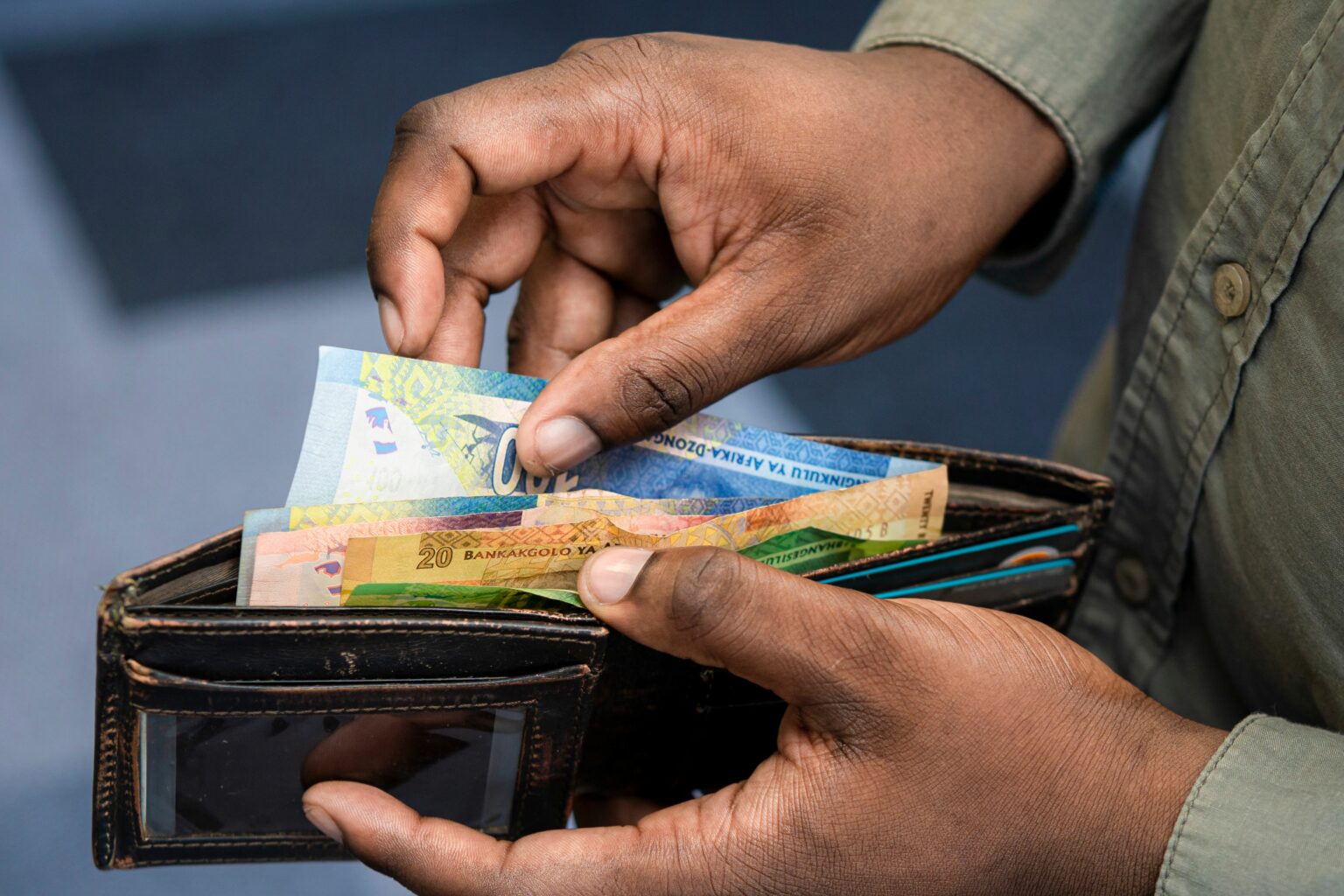
The lunches multiply, the lights and heaters stay on longer, and ‘there’s nothing to do’ becomes the soundtrack of the day. For many South African households, the July school holidays can place added financial pressure on already tight budgets.
This can include purchasing winter clothing, managing higher electricity bills and keeping children entertained indoors.
Also see: National Savings Month: Choose the right stokvel to maximise your savings
This makes National Savings Month a timely reminder that even in tighter months, small decisions can go a long way to help build stronger financial habits – not only for you but for the whole family.
According to Melissa Walters, Finance Executive at RCS, the key is not to avoid spending altogether, but to approach it with a clear plan so that short-term needs don’t compromise longer-term financial stability.
During this period, children spend more time at home and can also play a bigger role in everyday household spending decisions, which Walters sees as a valuable learning opportunity to talk about spending, saving and priorities.
“One of the most practical tools parents can use is the distinction between needs and wants,” she explains. “Helping children understand the difference lays the foundation for better decision-making, especially when money feels abstract or ‘invisible’ in a digital environment.” This can be as simple as discussing everyday purchases and asking children to identify whether something is essential or if it is something that can wait.
This is also where the concept of delayed gratification comes into play. “If a child wants something that isn’t essential, parents can use that moment to demonstrate saving towards a goal rather than buying immediately,” Walters adds. “That pause is where discipline is built.”
A family that budgets together, saves together
Rather than managing holiday spending behind the scenes, Walters recommends involving children in simple budgeting conversations. “A helpful approach is to set a clear holiday spending limit and track it together as a family. This could involve dividing the budget into expense categories and allowing children to see how each decision affects what’s left.”
This level of transparency not only builds awareness but also encourages accountability. “When children understand that spending in one area reduces what’s available elsewhere, it becomes easier to prioritise,” she explains.
At the same time, parents can look for alternatives that don’t rely on constant spending. “The mall isn’t the only option for entertainment,” Walters notes. “Simple, low-cost activities at home can often be just as meaningful, without putting additional strain on the budget.”
Where credit fits into a savings mindset
Credit has a place in a savings mindset, according to Walters, particularly when it comes to managing irregular cash flow months. “Credit, when managed well, can be a practical tool to help households manage the additional financial pressure that often comes with school holiday spending,” she explains. “For many households, spending patterns over the holidays do not always line up neatly with regular income cycles. A facility like an RCS store card can offer short-term flexibility in those months, while still keeping your finances stable. The important thing is that it remains a considered, planned decision rather than a reactive one.”
This means understanding exactly what you are signing up for, including repayment terms and costs, before making use of any credit facility. “There is a valuable lesson for children around responsible credit use and what it looks like. It is about staying within your means, paying on time, and ensuring that repayments fit comfortably within your broader financial plan. Free tools like RCS’s Credit Gateway can also support consumers in understanding and managing their credit more effectively,” she says.
Also see: Tips to get your savings back on track
Where credit fits into a savings mindset
Credit has a place in a savings mindset, according to Walters, particularly when it comes to managing irregular cash flow months. “Credit, when managed well, can be a practical tool to help households manage the additional financial pressure that often comes with school holiday spending,” she explains. “For many households, spending patterns over the holidays do not always line up neatly with regular income cycles. A facility like an RCS store card can offer short-term flexibility in those months, while still keeping your finances stable. The important thing is that it remains a considered, planned decision rather than a reactive one.”
This means understanding exactly what you are signing up for, including repayment terms and costs, before making use of any credit facility. “There is a valuable lesson for children around responsible credit use and what it looks like. It is about staying within your means, paying on time, and ensuring that repayments fit comfortably within your broader financial plan. Free tools like RCS’s Credit Gateway can also support consumers in understanding and managing their credit more effectively,” she says.
Building habits that last beyond July
Ultimately, National Savings Month is about creating good habits that support long-term financial well-being. “The way families approach money day to day has a lasting impact,” says Walters. “When children see budgeting, planning and thoughtful spending in action, those behaviours can become part of how they understand and manage their own money in the future.”
She adds that even small actions, like tracking spending and setting reasonable limits, can help shift the focus from short-term pressure to long-term resilience.
“At RCS, we believe that financial progress doesn’t come from one perfect month,” Walters concludes. “It comes from consistent, informed decisions over time. July may be a challenging month, but it can also be an opportunity to build a stronger savings culture for you and your family.”
Also see: 5 Practical ways to avoid costly geyser failures this winter
Be the first to know – Join our WhatsApp channel for content worth tapping into. Click here to join!