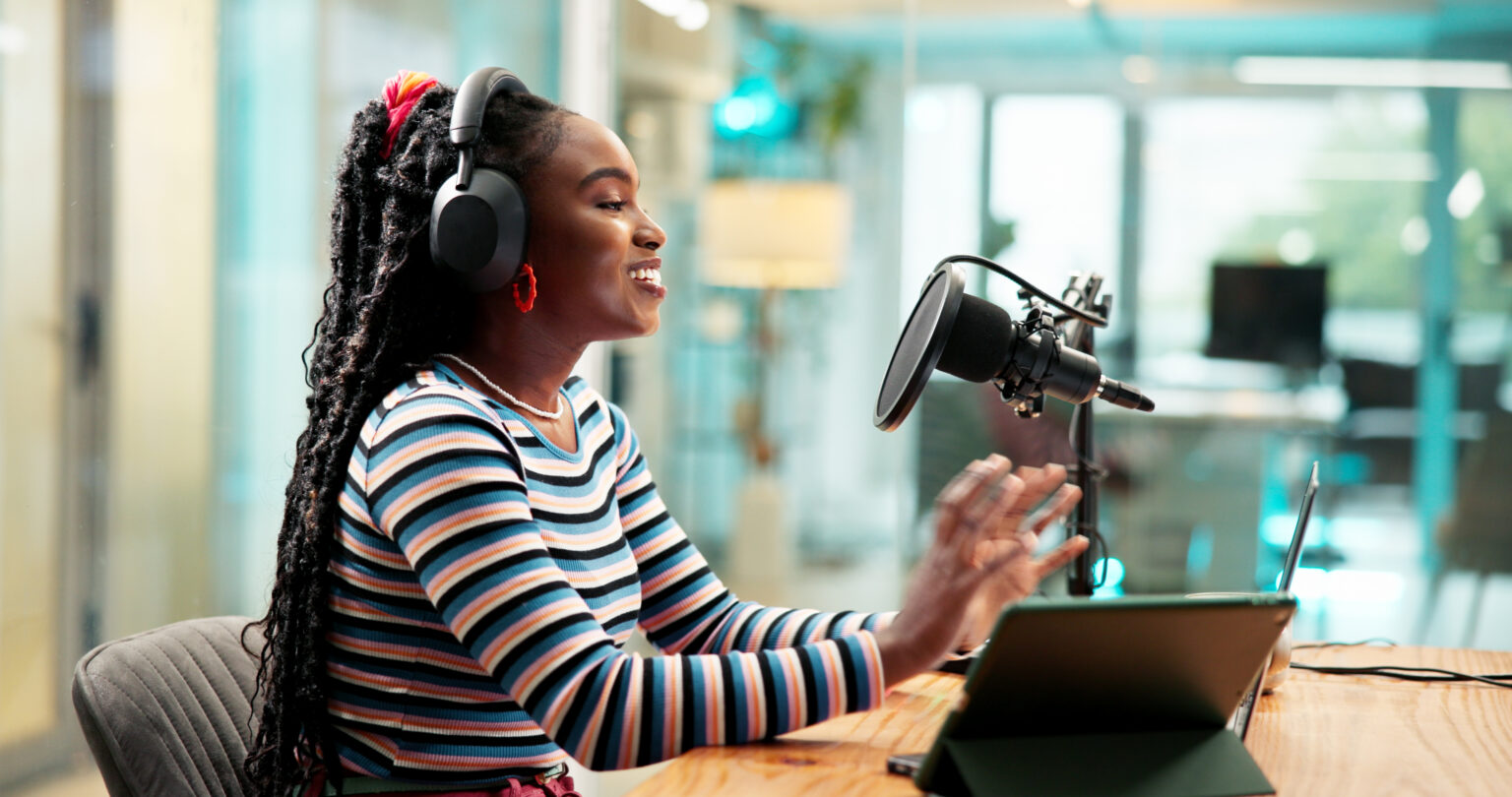

As remote and hybrid work continue to shape the modern workplace, creating a functional home office has become more important than ever. A well-designed workspace can improve productivity, reduce stress and help maintain a healthy work-life balance.
Also see: Staying active while working from home
Whether you have an entire room to dedicate to work or just a small corner of your home, thoughtful planning can make all the difference.
Choose the right location
The first step in creating a functional home office is selecting the right space. Ideally, your workspace should be in a quiet area with minimal distractions. If you don’t have a separate room available, consider using a corner of your living room, bedroom or dining area that can be designated specifically for work.
According to the Harvard Business Review, having a dedicated workspace can help create clear boundaries between work and personal life, improving focus and reducing burnout.
Invest in an ergonomic setup
Comfort plays a significant role in productivity and long-term health. Investing in an ergonomic chair and a desk at the appropriate height can help prevent back pain, neck strain and other physical issues associated with prolonged sitting.
The Mayo Clinic recommends positioning your computer monitor at eye level, keeping your feet flat on the floor and ensuring your wrists remain in a neutral position while typing.
Essential ergonomic considerations include:
- A supportive chair with adjustable height
- A desk that accommodates your equipment comfortably
- Proper monitor placement
- A keyboard and mouse positioned to reduce strain
- Adequate lighting to minimise eye fatigue
Prioritise good lighting
Lighting can significantly affect both productivity and mood. Natural light is ideal, as studies suggest it can improve concentration, reduce eye strain and enhance overall wellbeing.
If natural light is limited, incorporate a combination of overhead lighting and task lighting. Desk lamps with adjustable brightness can help create a comfortable working environment throughout the day.
According to research published by the American Psychological Association, exposure to adequate lighting can positively influence mood, alertness and workplace performance.
Keep your workspace organised
A cluttered workspace can contribute to distractions and reduced productivity. Organising your office with practical storage solutions can help create a more efficient environment.
Consider incorporating:
- Shelving units
- Filing cabinets
- Desk organisers
- Storage boxes and baskets
- Cable management systems
Regularly decluttering your workspace can also improve focus and reduce feelings of overwhelm.
Also see: Maintaining professionalism while working from home
Invest in reliable technology
Technology forms the backbone of any home office. Reliable equipment can improve efficiency and minimise disruptions during the workday.
Essential items may include:
- A dependable computer or laptop
- High-speed internet access
- Noise-cancelling headphones
- A quality webcam and microphone
- A printer and scanner, if needed
- Backup power solutions where applicable
Ensuring your technology is updated and functioning properly can save valuable time and reduce frustration.
Create boundaries between work and home life
One of the biggest challenges of working from home is maintaining boundaries. Establishing a clear routine and creating physical separation between work and personal spaces can help prevent burnout.
Experts recommend:
- Setting consistent working hours
- Taking regular breaks
- Avoiding work outside designated hours
- Creating a shutdown routine at the end of the day
- Keeping work materials separate from personal belongings
According to the World Health Organisation, maintaining healthy boundaries and managing workload are important factors in reducing work-related stress and protecting mental well-being.
Add personal touches
While functionality is important, creating a workspace that feels comfortable and inspiring can boost motivation and creativity.
Consider adding:
- Indoor plants
- Artwork or photographs
- Decorative accessories
- Inspirational quotes
- Comfortable furnishings
- Personal mementoes
Studies have shown that incorporating elements of nature and personal expression into workspaces can improve satisfaction and productivity.
Adapt your space to your needs
There is no universal formula for the perfect home office. The most effective workspace is one that supports your specific work habits, responsibilities and lifestyle.
Whether you’re attending virtual meetings, managing a business, studying or working remotely full-time, your home office should evolve as your needs change. Small adjustments over time can lead to significant improvements in comfort, productivity and overall well-being.
Creating a functional home office is not necessarily about having the biggest or most expensive setup. Instead, it’s about designing a space that allows you to work efficiently, comfortably and sustainably.
Also see: Are you working from home full time? You need these essentials for your office space
Be the first to know – Join our WhatsApp channel for content worth tapping into. Click here to join!