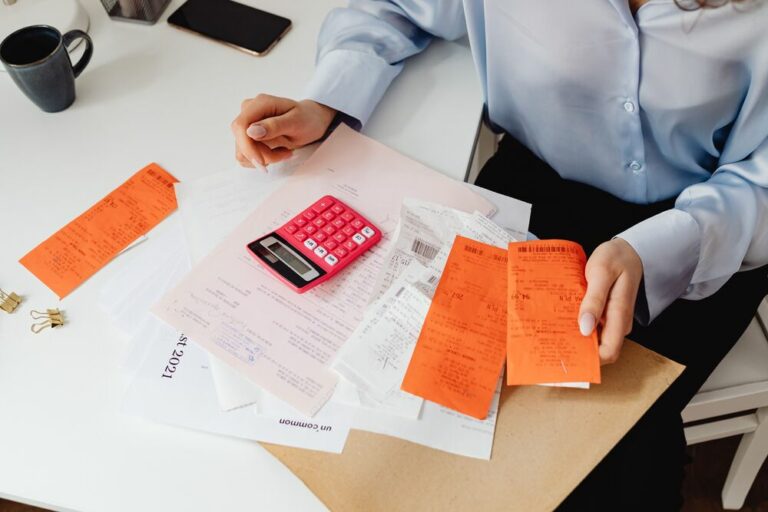
When money feels tight, it is easy to focus on major expenses such as rent, groceries, transport and debt repayments. However, small everyday purchases can also quietly drain your budget.
Also see: Soft life, real budget: How to live well in South Africa without overspending
According to the South African Government, managing your finances effectively includes creating a budget, managing debt and identifying unnecessary expenses. Reviewing your spending regularly can help you understand where your money is going and where you can make changes.
Here are some everyday expenses worth checking.
1. Takeaway coffee and drinks
Buying coffee, bottled water or soft drinks while you are out may not seem like a major expense. However, regular purchases can add up over the course of a month.
Standard Bank lists everyday purchases such as coffee and bottled water among expenses consumers can reconsider when looking for ways to save.
Making coffee at home and carrying a reusable water bottle could help reduce these costs.
2. Takeaways and food deliveries
Convenience can come at a price. Ordering lunch or dinner regularly means you may be paying for the meal, delivery and additional service fees.
Capitec recommends reviewing food-related spending and considering options such as preparing meals at home or taking a packed lunch to work.
You do not have to eliminate takeaways completely. Instead, consider setting a weekly or monthly limit.
3. Unused subscriptions
Streaming services, fitness memberships, apps and other subscriptions can become easy to forget about when payments are automatically deducted.
The South African government recommends cancelling subscriptions that you no longer use.
Go through your bank statements and make a list of every recurring payment. If you have not used a service in months, ask yourself whether it is still worth paying for.
4. Impulse purchases
A sale does not automatically mean you are saving money. Buying something you did not plan for can still put unnecessary pressure on your budget.
Standard Bank recommends shopping with a list and avoiding buying more simply because an item is discounted.
Before making a non-essential purchase, give yourself some time to decide whether you genuinely need it.
Also see: Ways you can stop yourself from overspending
5. Bank and ATM fees
Small banking charges can easily go unnoticed because they are deducted automatically.
FNB advises consumers to consider using digital banking and their own bank’s ATMs where possible to reduce certain banking costs.
Review your bank statement and make sure you understand the fees you are paying.
6. Unnecessary transport costs
Frequent ride-hailing trips, unnecessary car journeys and poorly planned errands can increase your monthly transport expenses.
Consider combining errands, carpooling or using public transport when practical.
7. Late fees and penalties
Missing payment deadlines can make ordinary expenses more expensive. Standard Bank recommends paying bills on time to avoid unnecessary penalties and fees.
Setting payment reminders or arranging debit orders around your payday can help.
Make your small expenses count
Stats SA’s Income and Expenditure Survey found that South African households spent an estimated R3 trillion between November 2022 and November 2023, with housing and utilities, food, transport, and insurance and financial services making up about 75.6% of household consumption expenditure.
While cutting one small purchase will not transform your finances overnight, several small changes can create meaningful room in your budget.
Also see: How To Avoid Overspending On Kiddies Parties
Be the first to know – Join our WhatsApp channel for content worth tapping into. Click here to join!