
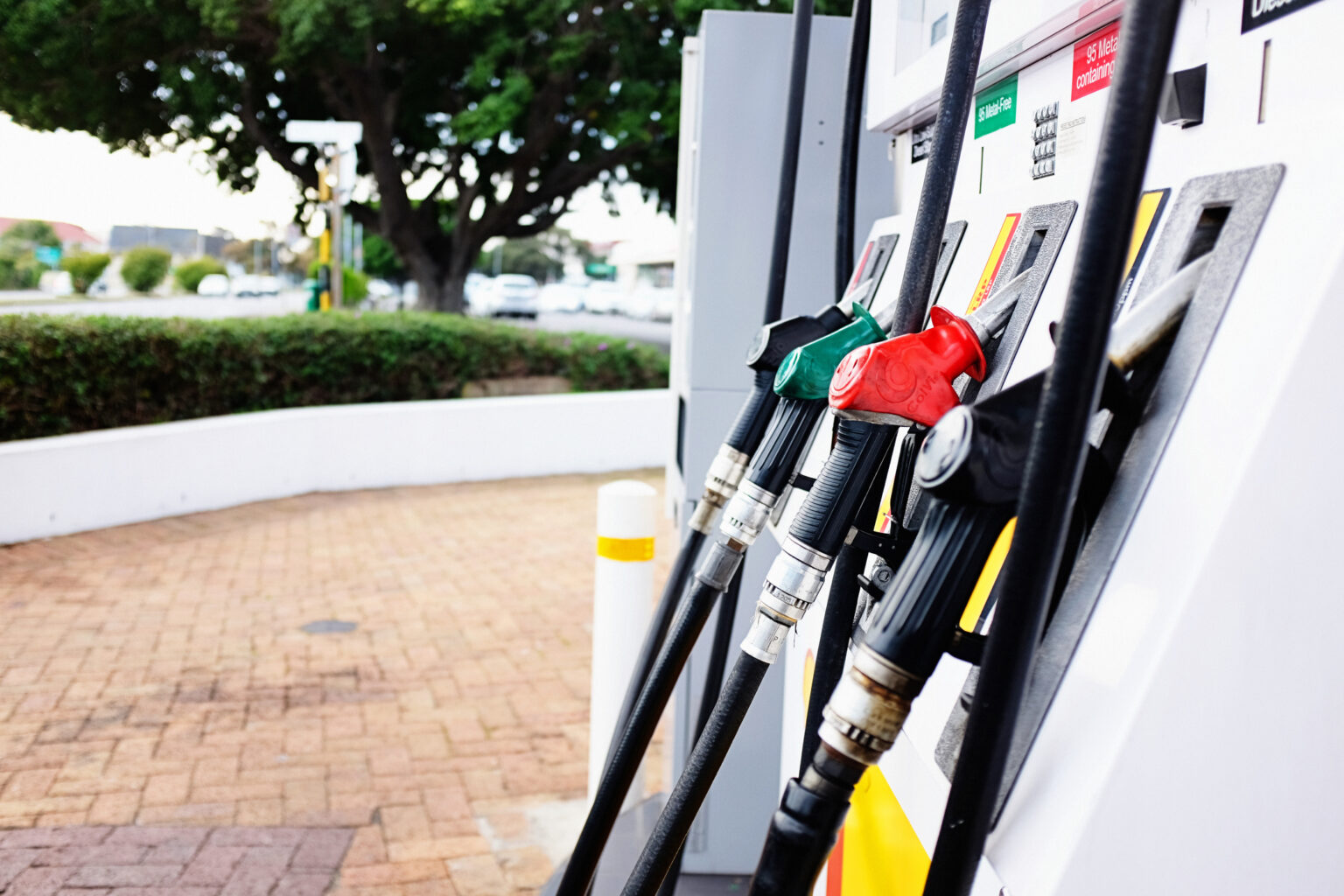
South African motorists, commuter groups, and businesses are facing severe financial strain as official fuel price adjustments took effect on Wednesday, 7 October 2026, pushing inland petrol prices past the historical R30-per-litre mark.
Also see: SOUTH AFRICANS OPPOSE RESUMED ASYLUM APPLICATIONS AFTER COURT RULING
According to official statements released by the Department of Mineral and Petroleum Resources, Petrol 93 increased by R3.12 per litre, while Petrol 95 surged by R3.33 per litre.
Wholesale diesel prices jumped between R2.84 and R3.24 per litre depending on the sulphur grade, marking one of the steepest single-month price adjustments in recent years.
Global oil markets drive sharp price surge
The Department attributed the significant adjustments primarily to sharp movements in international crude oil prices, petroleum product benchmarks, and local pricing mechanisms during the monthly review period.
Average crude oil prices climbed substantially across global markets, driven by escalating international tensions, elevated maritime shipping costs, and ongoing supply chain bottlenecks. Because South Africa imports both crude oil and refined petroleum products, local pump prices remain directly tied to international market volatility.
As transport inputs account for a substantial portion of food distribution and public transport costs, financial experts warn that South Africans will soon feel the pinch not only at the filling station, but also at supermarket till points, retail stores, and taxi ranks across the nation.
⛽ Fuel prices increase from 7 October 2026.
Petrol 93 increases by R3.12/l,
Petrol 95 increases by R3.33/l.
Diesel increases by R2.84/l to R3.24/l, depending on the grade.The adjustments are based on changes in international oil prices, petroleum product prices and other local pricing factors.
🔗See the full statement for all fuel price adjustments. https://t.co/7xv2YY4Z1c
#GovZAUpdates #FuelPriceAdjustments #FuelIncrease
— South African Government (@GovernmentZA) October 5, 2026
Also see: ANOTHER FUEL PRICE INCREASE TAKES EFFECT FOR SOUTH AFRICAN MOTORISTS
Public frustration mounts over escalating living costs
The announcement sparked immediate backlash across social media, where citizens expressed deep concern over the relentless rise in the cost of living. Highlighting the frustration felt by many working-class South Africans who face static wages amid continuous utility and energy price hikes, user @kwandiwe97 took to X to voice their concern:
“Everything goes up except for salaries; food prices are gonna go up… It’s gonna be bad.”
This comment captures a broader public sentiment, with civic organisations, commuter advocacy coalitions, and consumer watchdog bodies pointing out that everyday citizens are bearing the brunt of macroeconomic shocks without sufficient social safety buffers.
Calls for structural fuel reform and taxation review
In light of the price increases, trade unions and civil society leaders have renewed calls for government intervention. Opponents of the current fuel pricing model argue that the state must urgently reevaluate the Basic Fuel Price formula and consider temporary relief measures on fixed fuel levies to help cushion consumers.
Without structural intervention or tax adjustments on retail fuel, industry bodies warn that local businesses, transport operators, and everyday citizens will continue to suffer from unpredictable global energy shocks.
Also see: LOOKING TO CUT FUEL COSTS? CONSIDER THESE 5 CARS
Be the first to know – Join our WhatsApp channel for content worth tapping into. Click here to join!