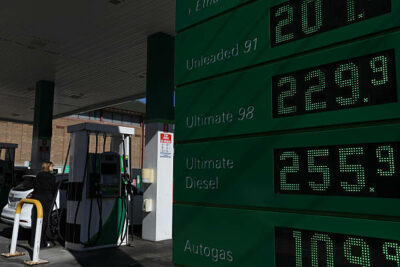
South African motorists will wake up to another fuel price adjustment on Wednesday, 5 August 2026, with diesel users set to bear the brunt of the latest changes announced by the Department of Mineral and Petroleum Resources.
While petrol motorists will receive some relief at the pumps, diesel users and businesses that rely on diesel-powered transport will face significantly higher fuel costs, adding further pressure to operating expenses and the cost of living.
Also see: Free 2-minute check could help South African drivers cut fuel costs
The latest fuel price changes effective from 5 August 2026 are:
- Petrol 93 (ULP & LRP): 52 cents per litre decrease
- Petrol 95 (ULP): 52 cents per litre decrease
- Diesel (0.05% sulphur): 138.44 cents per litre increase
- Diesel (0.005% sulphur): 123.44 cents per litre increase
- Illuminating paraffin (wholesale): 152 cents per litre increase
@dmpr fuel price adjustment for August 2026 pic.twitter.com/fL20gvJJj7
— Department of Mineral and Petroleum Resources (@DMPR_ZA) August 3, 2026
Petrol 93 is only expected to decrease by an imperceptible 5c per litre, while petrol 95 is completely unchanged, a far cry from the R2.50 per litre price cut projected before the USA-Iran war flared up again.
Diesel, on the other hand, is facing a hike of between R1.76 and R1.91 per litre, partially undoing the progress made by the previous month’s price reductions.
Also see: South Africa’s most fuel-efficient cars to consider
What it means for consumers
Although private motorists driving petrol-powered vehicles will benefit from lower pump prices, the sharp increase in diesel is expected to have wider economic consequences.
South Africa’s freight, logistics, agriculture and public transport sectors depend heavily on diesel. Higher diesel costs often translate into increased transport expenses, which can eventually push up the prices of food, consumer goods and other essential products.
Motorists are encouraged to compare fuel prices where possible, plan trips efficiently and maintain their vehicles to improve fuel economy as fluctuating fuel costs continue to affect household and business budgets.
Also see: Fuel prices surge: 10 most fuel-efficient SUVs in South Africa
Featured image: Getty Images/Lisa Maree Williams
Be the first to know – Join our WhatsApp channel for content worth tapping into. Click here to join!