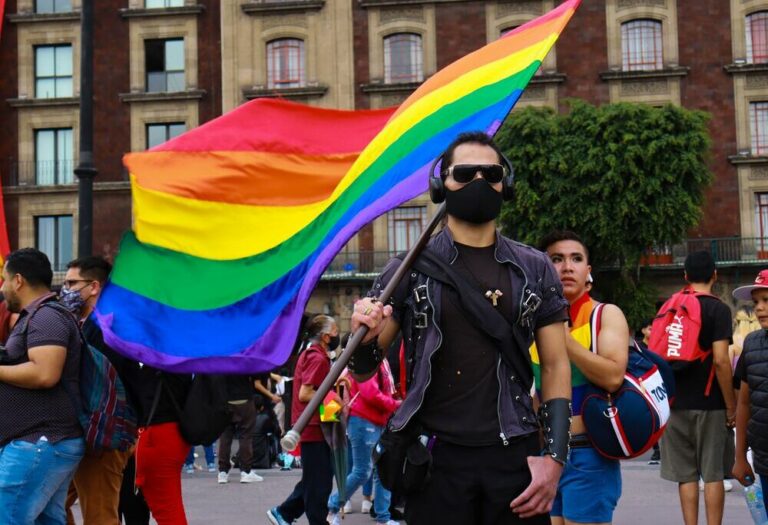
Every June, millions of people around the world celebrate Pride Month, a time dedicated to recognising the history, achievements, and ongoing struggles of the LGBTQ+ community. While colourful parades and festivities are often associated with Pride, the month carries a much deeper meaning rooted in activism, equality, and the fight for human rights.
Also see: Pride Month Excellence: Young, Gifted and Queer, a must-see at the Johannesburg Film Festival
Pride Month serves as both a celebration of identity and a reminder of the work that still needs to be done to create a more inclusive society.
The origins of Pride Month
Pride Month traces its roots back to the Stonewall Uprising in New York City in June 1969. At the time, LGBTQ+ individuals faced widespread discrimination, harassment, and criminalisation.
The uprising began after police raided the Stonewall Inn, a popular gathering place for LGBTQ+ people. Rather than quietly accepting the treatment they had long endured, members of the community resisted, sparking several days of protests.
According to the Library of Congress, the Stonewall Uprising became a turning point in the LGBTQ+ rights movement and inspired greater activism in the years that followed.
One year later, activists organised marches to commemorate the anniversary of the uprising, laying the foundation for what would eventually become Pride Month.
Why Pride Month is celebrated
Pride Month celebrates the diversity, resilience and contributions of LGBTQ+ individuals while raising awareness about issues that continue to affect the community.
According to the Human Rights Campaign (HRC), Pride is both a celebration and a protest. It honours progress made toward equality while highlighting the challenges that remain, including discrimination, violence and barriers to healthcare, employment and education.
For many people, Pride Month provides an opportunity to embrace their identity openly and connect with others who share similar experiences.
A time to celebrate identity
One of the central messages of Pride Month is that everyone deserves to live authentically and without fear.
For decades, many LGBTQ+ individuals felt pressured to hide their identities because of stigma or discrimination. Pride events create spaces where people can express themselves freely and celebrate who they are.
According to The Trevor Project, visibility and acceptance play an important role in promoting positive mental health outcomes among LGBTQ+ individuals, particularly young people.
By encouraging self-expression and belonging, Pride Month helps foster a sense of community and support.
Also see: Celebrate Pride Month in style with these fashion brands
Remembering the ongoing struggle for equality
Although significant progress has been made in many countries, LGBTQ+ people still face challenges around the world.
Issues such as bullying, discrimination, hate crimes and unequal access to opportunities continue to affect members of the community.
According to the United Nations, LGBTQ+ individuals in many parts of the world still experience violations of their fundamental human rights, making continued advocacy and awareness essential.
Pride Month serves as a reminder that equality is an ongoing effort rather than a completed goal.
Pride in South Africa
South Africa has one of the world’s most progressive constitutions regarding LGBTQ+ rights. In 1996, it became the first country to explicitly prohibit discrimination based on sexual orientation in its Constitution.
The country also became the first in Africa to legalise same-sex marriage when the Civil Union Act was passed in 2006. However, despite these legal protections, challenges remain.
According to OUT LGBT Well-being, many LGBTQ+ South Africans continue to face discrimination, stigma, and violence, highlighting the need for ongoing education and advocacy.
How people celebrate Pride Month
Pride Month is celebrated in many different ways. Some people attend parades and festivals, while others participate in educational events, community initiatives and advocacy campaigns.
Many organisations use the month to raise awareness about LGBTQ+ issues and promote inclusion in workplaces, schools and communities.
For some individuals, Pride Month is simply a time for reflection, self-acceptance and connecting with supportive friends and family.
More than a celebration
While Pride Month is often associated with rainbow flags and vibrant celebrations, its significance goes far beyond festivities.
It is a time to honour those who fought for LGBTQ+ rights, celebrate diversity, and continue working toward a world where everyone can live openly and authentically.
By recognising both the achievements and challenges of the LGBTQ+ community, Pride Month encourages greater understanding, acceptance and equality for all.
Also see: Bingeworthy series this Pride Month
Be the first to know – Join our WhatsApp channel for content worth tapping into. Click here to join!