

Through her work as Executive for Strategic Relations at the Ruta Sechaba Foundation, Natasha Mkhize oversees initiatives designed to grant academically and athletically gifted learners from financially constrained backgrounds access to high-quality education at Curro schools across the country.
Also see: Bayanda Walaza continues rise with Grand Prix Brescia victory
In this deep dive, Mkhize explores how identifying early potential, fostering holistic development, and building strong institutional partnerships can transform individual capability into a robust national talent pipeline.
Spotting potential before the world sees it
Talent rarely presents itself in a fully formed package. At the Ruta Sechaba Foundation, identifying future leaders requires looking well beyond immediate academic report cards or isolated athletic performances.
“We consider a learner’s underlying ability, consistency, resilience, and fundamental willingness to learn,” explains Mkhize to BONA. “Many talented young people simply need someone to recognise their latent potential and place them within the right environment to flourish.”
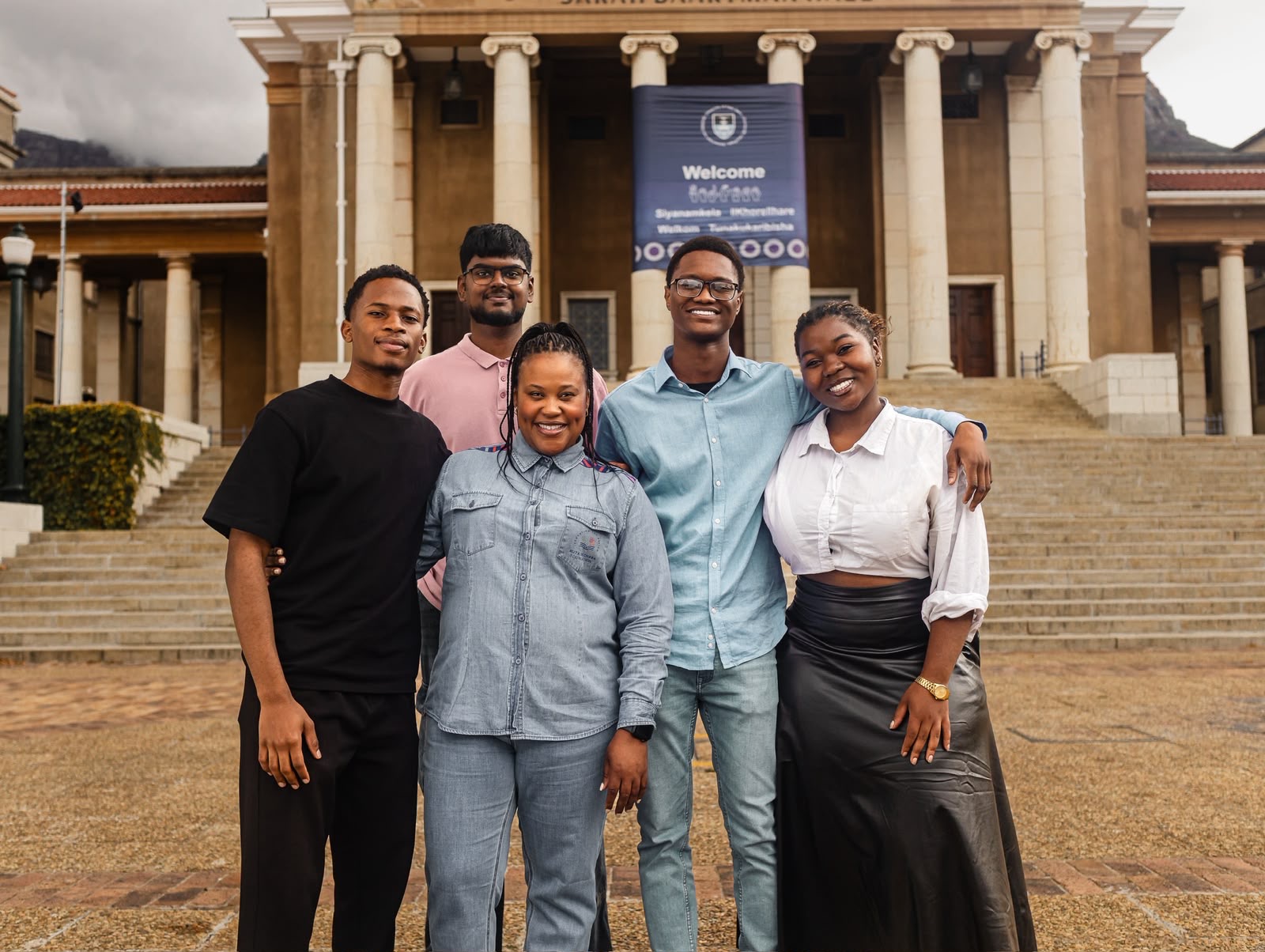
To ensure discovery is not constrained by geography or localised scouting infrastructure, the foundation utilises a structured application and assessment framework.
Promoted across schools, community networks, and regional communication channels, the process is designed to remain broadly accessible to families across diverse provinces and socio-economic contexts.
Transforming raw ability into world-class performance
Raw capability serves merely as the baseline; converting that initial promise into sustained excellence requires structure, resources, and time.
“Raw talent requires discipline, quality education, professional coaching, consistent support, and time. Through Ruta Sechaba, we provide learners from under-resourced backgrounds with access to Curro schools, where they can build their abilities, confidence, and character simultaneously.”
Also see: The woman behind the champion: How Tholiwe Walaza cultivated South Africa’s fastest talent
In South Africa, access remains the primary equaliser. While exceptional young people exist in every corner of the country, stark disparities in educational facilities, modern technology, and professional networks often dictate whether talent is nurtured or left unseen. Closing this access gap is the foundation’s core operational priority.
The role of family and community networks
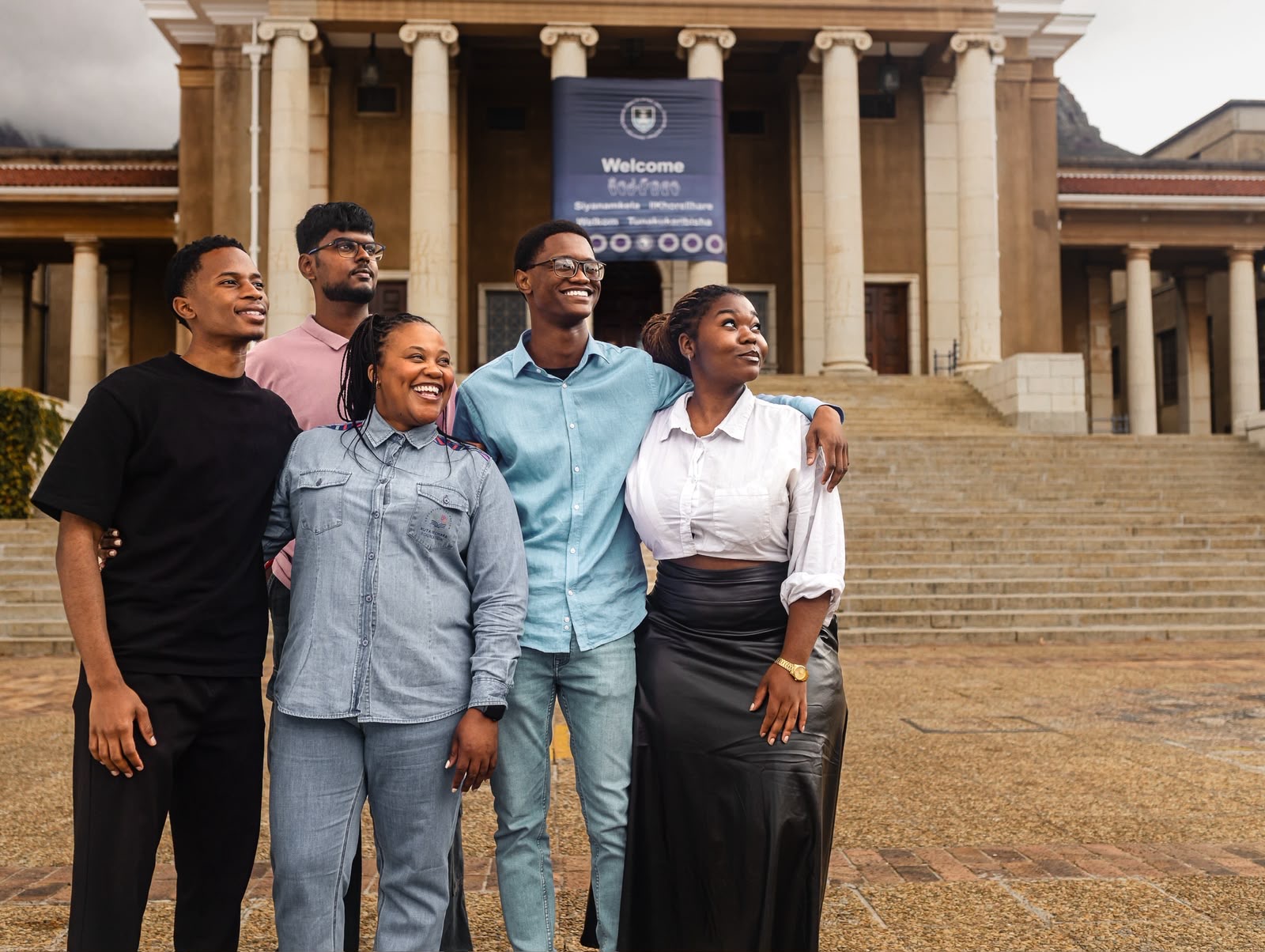
Sustainable learner development relies heavily on the strength of home support systems. Whether provided by parents, siblings, grandparents, or extended caregivers, family networks offer the essential stability required as academic and social expectations scale.
“We deeply value active engagement with each learner’s support network,” says Mkhize. “The strongest long-term outcomes are achieved when the learner, their primary caregivers, and the school community operate in direct alignment.”
Furthermore, exposing learners to new environments, broader subjects, and diverse role models expands their perception of what is achievable. By altering a young person’s learning context, they are empowered to envision career pathways far beyond their immediate circumstances.
Also see: Tiisetso Mlaungane’s mother Catherine speaks on the significance of female leaders in sports
Be the first to know – Join our WhatsApp channel for content worth tapping into. Click here to join!