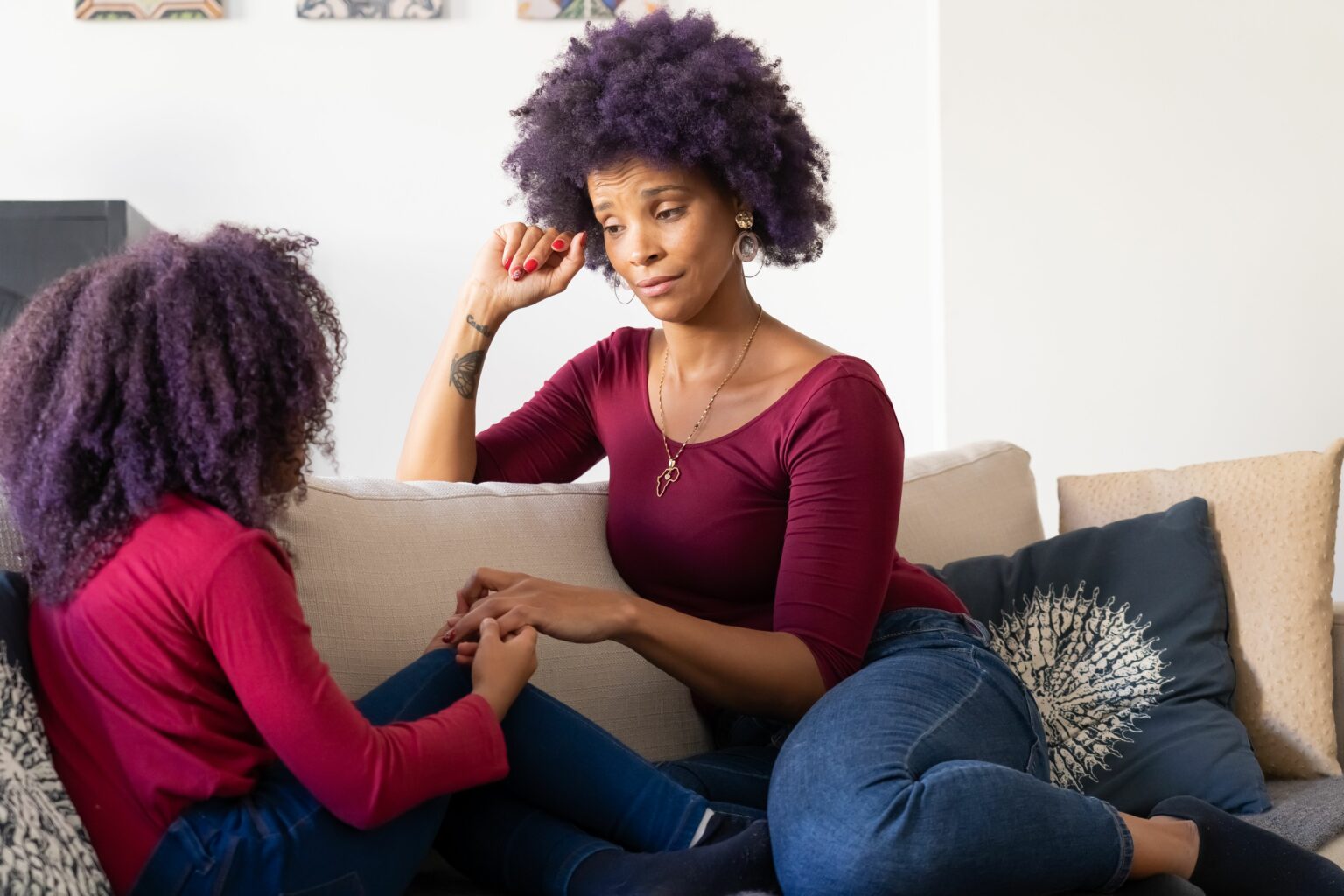
Peer pressure is a powerful force in many teenagers’ lives, influencing everything from the clothes they wear to the choices they make. Every parent has experienced it at some point: the moment when friends suddenly seem more important than family.
Also see: 5 Ways to handle peer pressure in the workplace
It can be frustrating, worrying and sometimes even confusing, but, according to Cigna, experts say this shift is actually a normal part of growing up.
From early adolescence into young adulthood, many children begin turning to friends for guidance on everything from fashion choices to social trends and even attitudes towards school. While this growing independence is expected, it can also make young people more vulnerable to peer influence.
How parents can assist in resisting peer pressure
While teenagers often act as though they have everything under control, they still need guidance. Here are some practical ways parents can help, as shared by Cigna:
- Practise saying no: Role-play common peer-pressure situations with your child so they feel more confident responding when they face them in real life.
- Build their self-esteem: Celebrate achievements, encourage their strengths and offer praise. Young people who feel good about themselves are often better equipped to resist negative influences.
- Encourage healthy friendships: Talk to your child about choosing friends who share positive values and make good decisions. This applies to both in-person and online friendships.
- Create a family code word: Agree on a phrase your child can use in a call or text when they need help leaving an uncomfortable situation without drawing attention to themselves.
- Give them an easy excuse: Let your teenager know it’s okay to blame you if they need a way out of a pressure-filled situation. A simple “My parents won’t allow it” can sometimes make saying no much easier.
Also see: 5 Ways to help your child adapt to a new school easily
Peer pressure is not always a bad thing
The phrase ‘peer pressure’ usually has a negative reputation, but it is not always harmful.
The above-mentioned publication states that friends can have a positive influence by encouraging one another to work hard, be kind, and stay honest. Supportive peer groups can also help young people build confidence, develop lasting friendships and explore new interests.
Whether it is joining a sports team, trying a new hobby or finding someone to talk to after a setback, positive friendships can play an important role in a teenager’s development.
Also see: How overparenting can affect your child’s health
Be the first to know – Join our WhatsApp channel for content worth tapping into. Click here to join!