Self-care has evolved from a niche wellness concept into a global cultural movement, largely fueled by social media. From morning routines and digital detox challenges to ‘soft living’ and ‘bed rotting,’ new self-care trends emerge almost weekly, attracting millions of views and inspiring users to rethink how they manage stress, productivity, and well-being.
While social media has often been criticised for contributing to anxiety, comparison, and information overload, it has also become a powerful space for conversations about mental health and personal wellness.
The rise of ‘soft living’
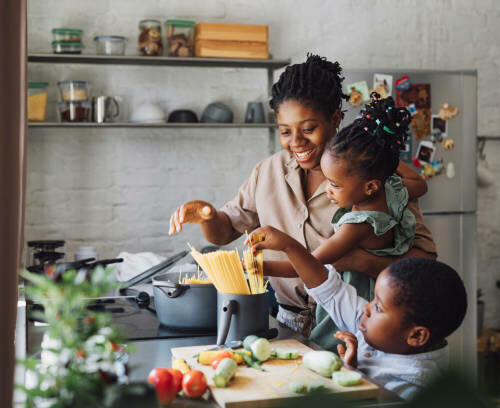
One of the most popular self-care movements gaining traction online is ‘soft living.’ The trend encourages individuals to reject hustle culture and prioritise ease, joy, and intentional living. Content creators share videos of slow mornings, mindful activities, cosy home environments, and balanced daily routines.
Supporters argue that soft living promotes healthier lifestyles by encouraging people to set boundaries, reduce stress, and focus on experiences that bring genuine happiness rather than constant productivity.
Also see: Top 5 tips to deal with social media addiction
Digital detox and screen boundaries
Ironically, some of the most popular wellness trends on social media encourage people to spend less time online. Digital detox challenges invite users to disconnect from their devices for hours, days, or even weeks. Participants often report improved focus, better sleep quality, and reduced feelings of anxiety.
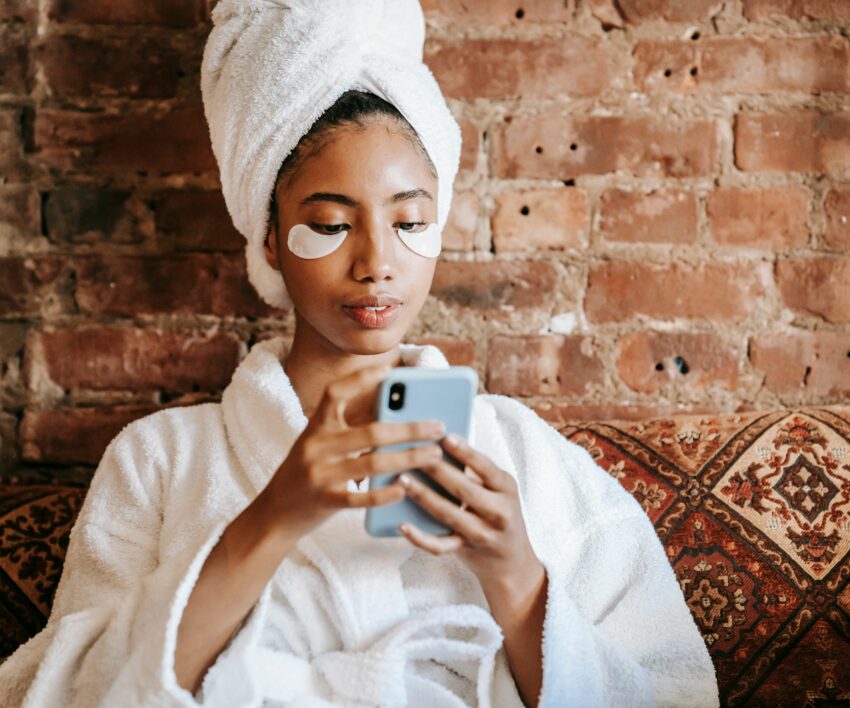
Many influencers now advocate for practical screen boundaries, such as avoiding phones before bedtime, disabling nonessential notifications, and scheduling regular offline activities.
‘Bed rotting’: Rest or excess?
Another viral trend, known as ‘bed rotting,’ involves spending extended periods resting in bed while watching shows, reading, or simply relaxing. For some users, the practice is framed as a form of recovery from burnout and emotional exhaustion.
However, health experts caution that while occasional rest is important, excessive inactivity may negatively affect both physical and mental health. The trend highlights a broader conversation about finding a healthy balance between productivity and recovery.
Popularity of micro self-care
Unlike elaborate wellness routines that require significant time and money, micro self-care focuses on small, manageable actions. These may include taking a five-minute walk, practising deep breathing, drinking enough water, or writing a brief gratitude list.
The appeal lies in accessibility. Many users appreciate self-care strategies that fit into busy schedules and do not require expensive products or services.
Also see: The Real Cost of “Looking Rich” on Social Media
The commercial side of self-care
As self-care content grows in popularity, brands have increasingly incorporated wellness themes into their marketing strategies. Skincare products, supplements, journals, fitness apps, and lifestyle services are often promoted as essential tools for well-being.
Critics argue that this commercialisation can sometimes shift attention away from the core purpose of self-care—maintaining physical and mental health—and toward consumerism. They emphasise that effective self-care does not necessarily require purchasing products.
Finding balance in the trend cycle
While social media trends can introduce valuable ideas and encourage positive habits, experts recommend approaching wellness content critically. Not every trend is supported by scientific evidence, and what works for one person may not work for another.
Ultimately, the growing popularity of self-care trends reflects a broader desire for balance, connection, and well-being in modern life. Whether through soft living, digital detoxes, or simple daily habits, social media users are increasingly seeking ways to protect their mental health and create more sustainable lifestyles.
As new wellness trends continue to emerge, the challenge for users will be distinguishing meaningful self-care practices from fleeting online fads. The most effective approach may be one that prioritises personal needs over viral popularity, focusing on habits that genuinely support long-term well-being.
Also see: Things to consider before trusting social media recommendations
Featured image: Pexels
Be the first to know – Join our WhatsApp channel for content worth tapping into. Click here to join!