
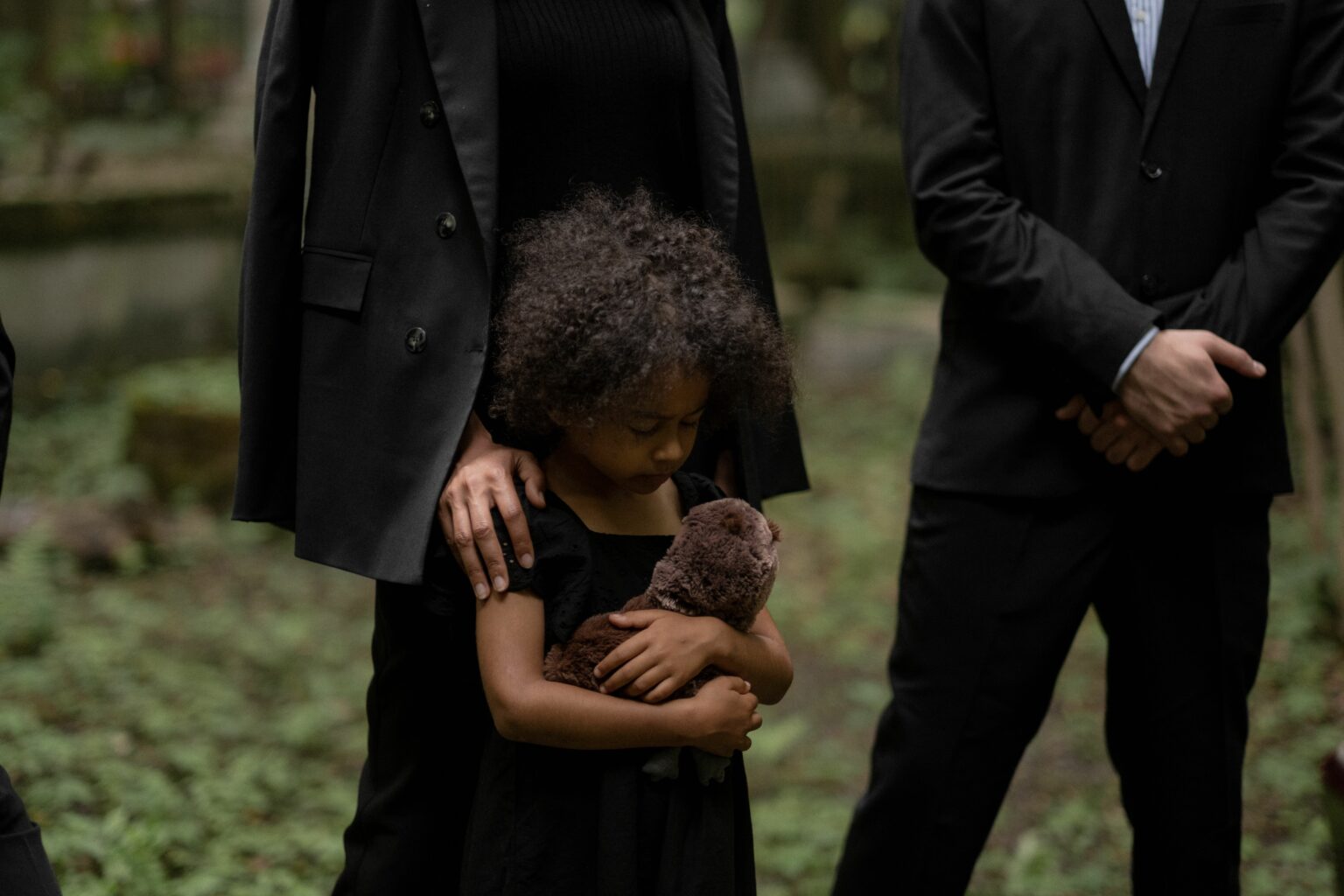
Experiencing loss and grief is a deeply challenging event for anyone, especially for children. Understanding how to support your child through these difficult emotions is crucial for their emotional development and healing.
As the parent, you can’t protect a child from the pain of loss, but what you can do is help them feel safe.
You can do this by allowing and encouraging them to express their feelings and speak out, building healthy coping skills that will serve them well in the future.
Also see: The importance of teaching kids to stay calm in chaotic moments
The Child Mind Institute says, “Most young children are aware of grief/loss, even if they don’t understand it. Death and grief are common themes in cartoons and television, and some of your child’s friends may have already lost a loved one. But experiencing grief firsthand is a different and often confusing process for kids.”
Practical ways to help your child navigate feelings of loss, grief, and pain
Understand your child’s grief
Children process grief differently from adults. Their understanding of death and loss evolves with age, and their reactions can vary widely—from sadness and anger to confusion and withdrawal. Recognising these varied responses is the first step in providing meaningful support.
Creating a safe space for expression
Encourage your child to express their feelings openly without fear of judgment. Whether through talking, drawing, or play, these outlets allow children to explore and communicate their emotions. Listen actively and validate their feelings, reassuring them that grief is a natural response to loss.
Also see: Here are 5 parenting habits that drain your child’s joy
Maintaining routine and stability
In times of grief, maintaining regular routines provides children with a sense of security and normalcy. Consistent mealtimes, school attendance, and bedtime rituals help anchor them amid emotional upheaval. Stability reassures children that their world remains safe even when they feel vulnerable.
Providing honest
When discussing loss, be truthful while considering your child’s age and maturity. Simple, clear explanations help prevent misunderstandings and fears. Avoid euphemisms that might confuse children; instead, answer their questions with sensitivity and patience.
Seeking professional help
Sometimes, children may need additional help to process their grief, especially if their behaviours change significantly or distress persists. Counselling or support groups tailored for children can offer specialised guidance and comfort during the healing journey.
Supporting your child through loss and grief requires patience, empathy, and understanding. By fostering open communication, providing stability, and offering appropriate information, you help your child build resilience and find hope beyond their pain.
Remember, healing is a gradual process, and your presence is their greatest comfort.
Also see: Different parenting styles and how they affect kids
Featured image: Pexels
Be the first to know – Join our WhatsApp channel for content worth tapping into. Click here to join!