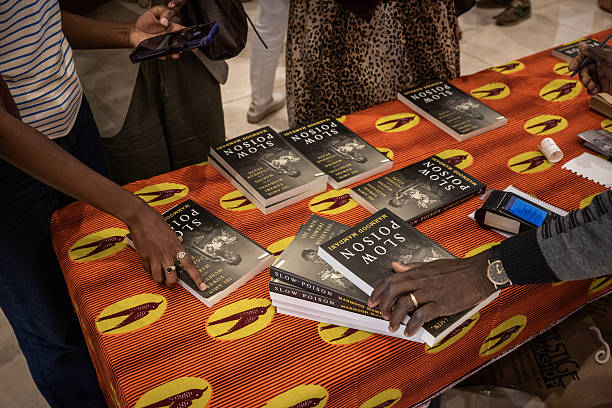
African literature offers readers a rich tapestry of stories, cultures, histories, and perspectives. From powerful explorations of identity and colonialism to deeply personal narratives of love, family, and resilience, African authors have made significant contributions to world literature.
Also see: The best books to read for self-improvement
1. Things Fall Apart by Chinua Achebe
Widely regarded as a cornerstone of African literature, Things Fall Apart tells the story of Okonkwo, a respected warrior in an Igbo community in Nigeria. The novel examines the impact of British colonialism and Christian missionary activity on traditional African societies. Achebe’s compelling storytelling and vivid portrayal of pre-colonial life make this a must-read classic.
2. Half of a Yellow Sun by Chimamanda Ngozi Adichie
Set during the Nigerian Civil War, this award-winning novel follows the lives of several characters whose destinies become intertwined amid political turmoil. Adichie masterfully combines historical events with intimate human stories, creating a powerful narrative about love, loss, and survival.
3. Nervous Conditions by Tsitsi Dangarembga
This groundbreaking Zimbabwean novel follows Tambudzai, a young girl determined to pursue an education despite social and cultural barriers. Through her journey, the book explores themes of gender inequality, colonialism, and personal ambition. It remains one of the most influential works in African feminist literature.
Also see: World Book Day: Top 5 SA books worth a read
4. Season of Migration to the North by Tayeb Salih
Considered one of the greatest Arabic novels of the twentieth century, this Sudanese classic examines the complex relationship between Africa and Europe through the story of a mysterious man returning to Sudan after years abroad. The novel offers profound insights into identity, power, and the legacy of colonialism.
5. The Fishermen by Chigozie Obioma
Set in 1990s Nigeria, The Fishermen tells the story of four brothers whose lives are transformed by a disturbing prophecy. Blending elements of family drama, mythology, and tragedy, Obioma crafts a captivating tale that explores fate, brotherhood, and the consequences of belief.
Why read African literature?
African literature provides a unique window into the continent’s diverse cultures, histories, and contemporary realities. These books challenge stereotypes, amplify authentic voices, and offer universal themes that resonate with readers everywhere. Whether you are new to African writing or looking to expand your reading list, these five books are an excellent place to start.
The richness of African literature lies in the diversity and depth of the continent. Reading these books is not only an enriching literary experience but also an opportunity to engage with stories that broaden our understanding of the world.
Also see: Why books are a black woman’s secret weapon
Featured image: Getty
Be the first to know – Join our WhatsApp channel for content worth tapping into. Click here to join!