
Father’s Day is often associated with biological fathers, but for many people, the men who have had the greatest influence on their lives are not necessarily related to them by blood. Across families and communities, father figures play a vital role in providing guidance, support, encouragement and stability.
Also see: Hidden pressures modern fathers face
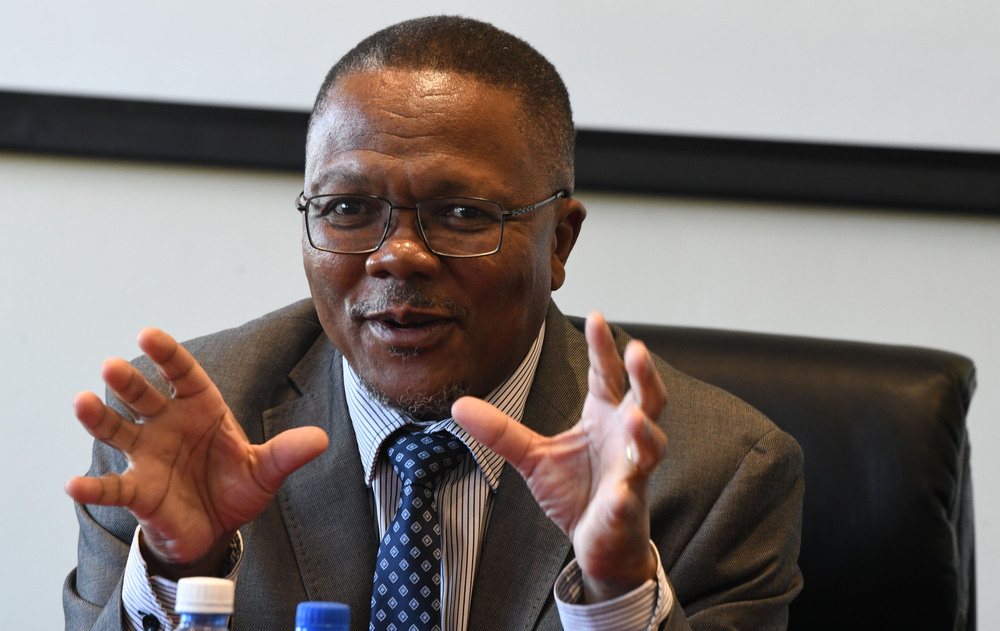
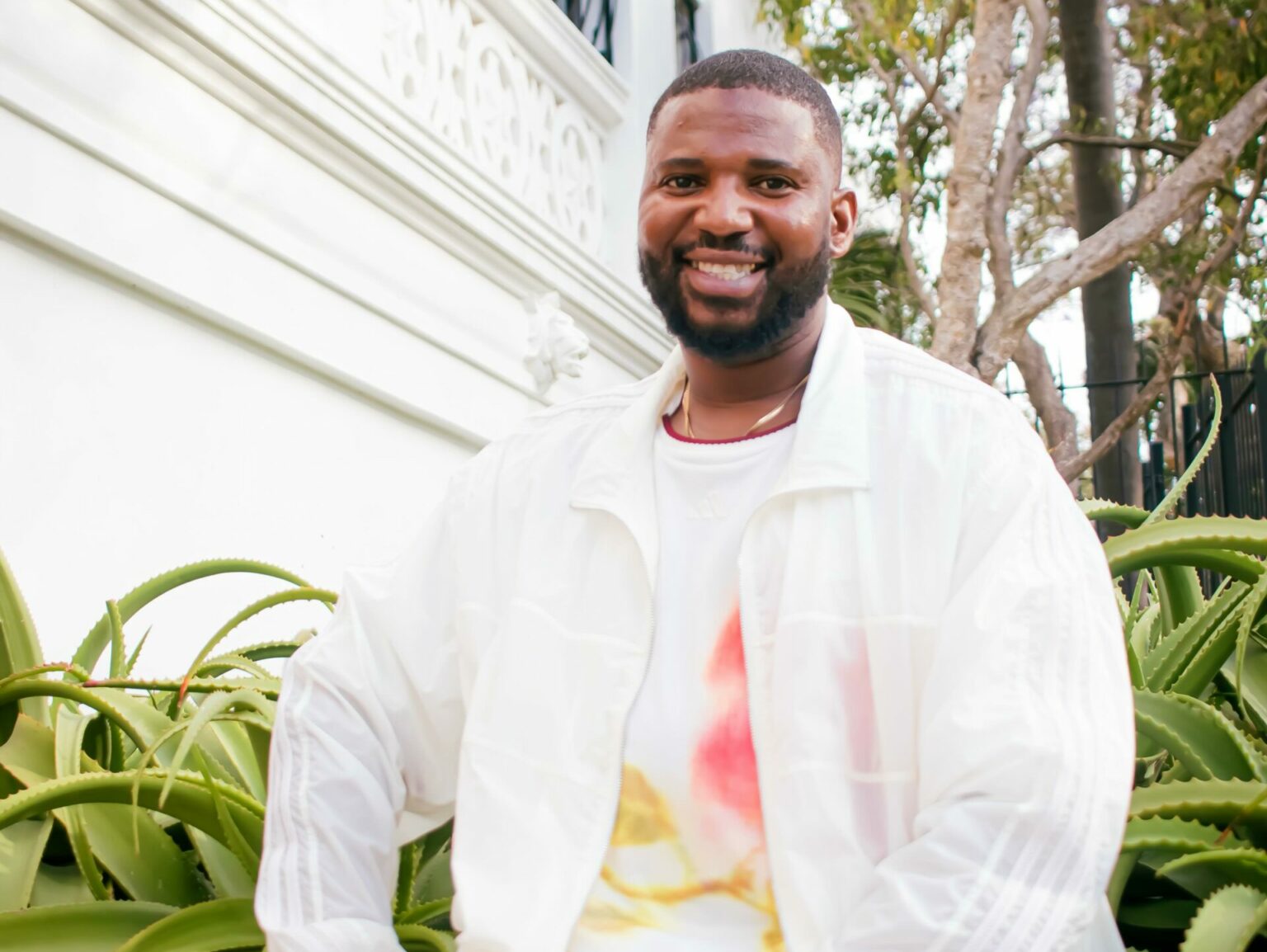
Whether it is a stepfather, grandfather, uncle, coach, teacher, mentor or family friend, these individuals can leave a lasting impact on a person’s development and well-being. As Father’s Day approaches, it is worth recognising the many forms fatherhood can take and celebrating those who step up to make a difference.
The importance of father figures
Research consistently shows that positive male role models can contribute significantly to a child’s emotional, social and academic development. Father figures often provide support, teach life skills and offer a sense of security that helps children navigate challenges.
According to the American Psychological Association (APA), supportive and engaged parenting from father figures is associated with better psychological well-being, improved social competence and healthier relationships later in life.
Importantly, these benefits are linked to the quality of the relationship rather than biological ties.
Fatherhood beyond blood relations
Modern families come in many forms. Blended families, adoptive families and community-based support networks have become increasingly common, creating opportunities for meaningful relationships between children and non-biological father figures.
A stepfather helping to raise a child, a grandfather providing daily care or a coach mentoring young athletes can all play fatherly roles. Their influence often extends beyond practical support to include emotional guidance, encouragement, and the modelling of positive behaviours.
Research from the Child Welfare Information Gateway notes that children can develop strong, healthy attachments with caring adults who consistently provide support, protection and nurturing relationships.
The role of mentors
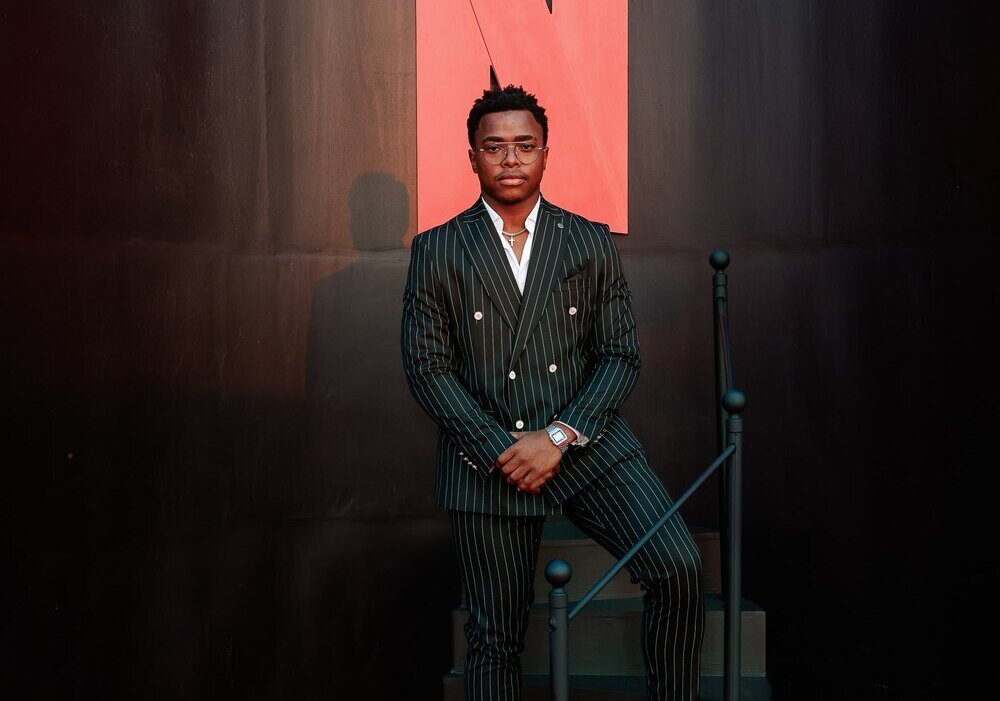
Mentorship can be particularly important for young people who may not have an active father in their lives. A trusted mentor can help build confidence, encourage educational achievement and provide valuable advice during key life stages.
According to MENTOR National, young people with mentors are more likely to report higher levels of self-confidence, improved academic outcomes and stronger social connections.
In South Africa, community leaders, sports coaches, teachers and youth programme facilitators often serve as father figures to young people, helping them navigate challenges and develop a sense of purpose.
Why recognition matters
Father figures frequently make meaningful contributions without expecting recognition. Father’s Day offers an opportunity to acknowledge their efforts and express gratitude for the role they have played.
Recognition can strengthen relationships and remind individuals that their presence and support have made a difference. A simple message, phone call or shared meal can be a meaningful way to celebrate someone who has provided guidance and care over the years.
Also see: Absent fathers: Understanding the long-term impact on children
Supporting positive male role models
Strong communities are often built on positive relationships. Encouraging mentorship programmes, supporting involved parenting and creating opportunities for meaningful connections can help ensure that more children have access to caring adult role models.
The United Nations Children’s Fund (UNICEF) has highlighted the importance of nurturing relationships with caring adults in promoting healthy child development and resilience.
By investing in these relationships, families and communities can help young people thrive regardless of their family structure.
A broader meaning of Father’s Day
Father’s Day is ultimately about celebrating the people who show up, offer support, and help shape lives for the better. While biological fathers deserve recognition, they are not the only individuals who embody the qualities associated with fatherhood.
This Father’s Day, consider honouring the stepfather who stepped in when needed, the grandfather who always offered wisdom, the coach who taught valuable life lessons or the mentor who believed in someone’s potential.
Because being a father figure is not defined by biology alone—it is defined by presence, care, commitment and the positive impact one person can have on another’s life.
Also see:How fathers can connect better with their daughters
Be the first to know – Join our WhatsApp channel for content worth tapping into. Click here to join!