
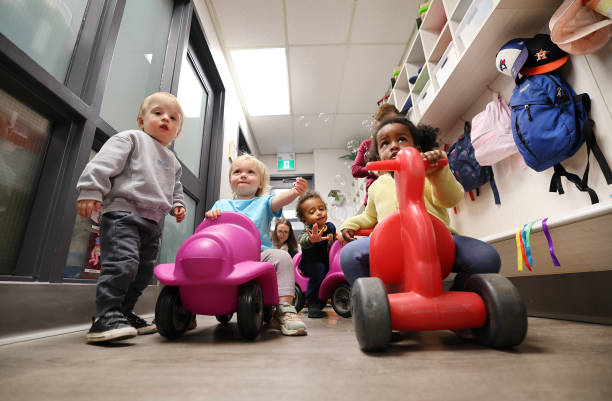
The increasing pressure to encourage children to achieve academic success at an early age is a growing concern for both educators and parents. While early learning is important, pushing children into formal academic settings too soon can lead to unintended negative consequences for their development and overall well-being.
Also see: The soft parenting of kids: Good, bad, or the new norm?
Stunted emotional and social growth
Children need time to develop emotional intelligence and social skills through play and interaction. When academic demands replace free play, children miss crucial opportunities to learn empathy, cooperation, and conflict resolution. This imbalance can lead to increased anxiety, frustration, and difficulty in social settings.
Increased stress and burnout
Introducing strict academic expectations too early can overwhelm young children. The pressure to perform often leads to stress, which diminishes a child’s natural curiosity and love for learning. Instead of cultivating a passion for knowledge, early academic stress can result in disengagement and burnout, ultimately harming long-term educational outcomes.
Also see: Modern Parenting: Navigating Today’s Challenges with Confidence
Limited creativity and critical thinking
Early academic focus often emphasises memorisation and standardised testing over creativity and problem-solving. Children require diverse experiences and open-ended activities to develop critical thinking skills. Rushing academics can restrict their ability to explore, imagine, and innovate, which are essential competencies for future success.
Disregard for individual developmental timelines
Every child develops at their own pace. Forcing advanced academics without considering individual readiness can lead to frustration and feelings of inadequacy. Respecting a child’s unique growth trajectory ensures that learning remains a positive, confidence-building experience.
While academic skills are important, pushing children too quickly into formal education can impede their holistic development. Balancing early learning with play, creativity, and emotional growth creates a more nurturing environment that supports lifelong learning and well-being.
Also see: Different parenting styles that will work for you
Feature Image: Pexels
Be the first to know – Join our WhatsApp channel for content worth tapping into. Click here to join!