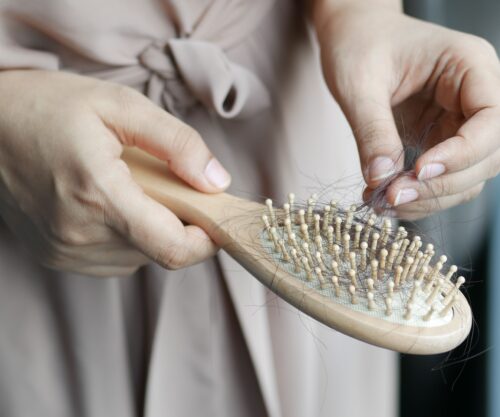

Exercise is essential for building strength, improving fitness, and supporting overall health. However, many people focus only on workouts and overlook one of the most important parts of progress: recovery.
Rest and recovery are not signs of slowing down; they are essential steps that allow the body to adapt, repair, and become stronger.
Also see: Fitness tips for men over 40
According to Men’s Health, this is why you should rest after any exercise:
Help muscles repair and grow
During exercise, particularly during strength training and intense workouts, muscles undergo small amounts of stress and experience tiny tears. Recovery allows the body to repair this damage and rebuild stronger muscle fibres. If there isn’t enough recovery time, the body may struggle to adapt, hindering progress and reducing the effectiveness of workouts.
Reduce injury
Training too often without proper rest can increase the risk of overuse injuries. Sore muscles, tired joints, and constant fatigue are signs that your body may need more recovery time.
Allowing adequate rest helps maintain proper movement, supports healthy muscles and joints, and keeps you consistent with your fitness routine.
Recovery improves performance
Rest allows your body to restore energy levels and prepare for future workouts. When you recover properly, you are more likely to have better strength, endurance, focus, and motivation during your next training session.
A well-rested body can perform more effectively than one that is constantly exhausted.
Also see: Why fitness should fit your life — not the other way around
Quality sleep for recovery
Quality sleep is one of the most powerful recovery tools available. During sleep, the body carries out important processes that support muscle repair, hormone balance, and energy restoration. Creating healthy sleep habits can improve both exercise results and overall well-being.
Mental recovery matters too
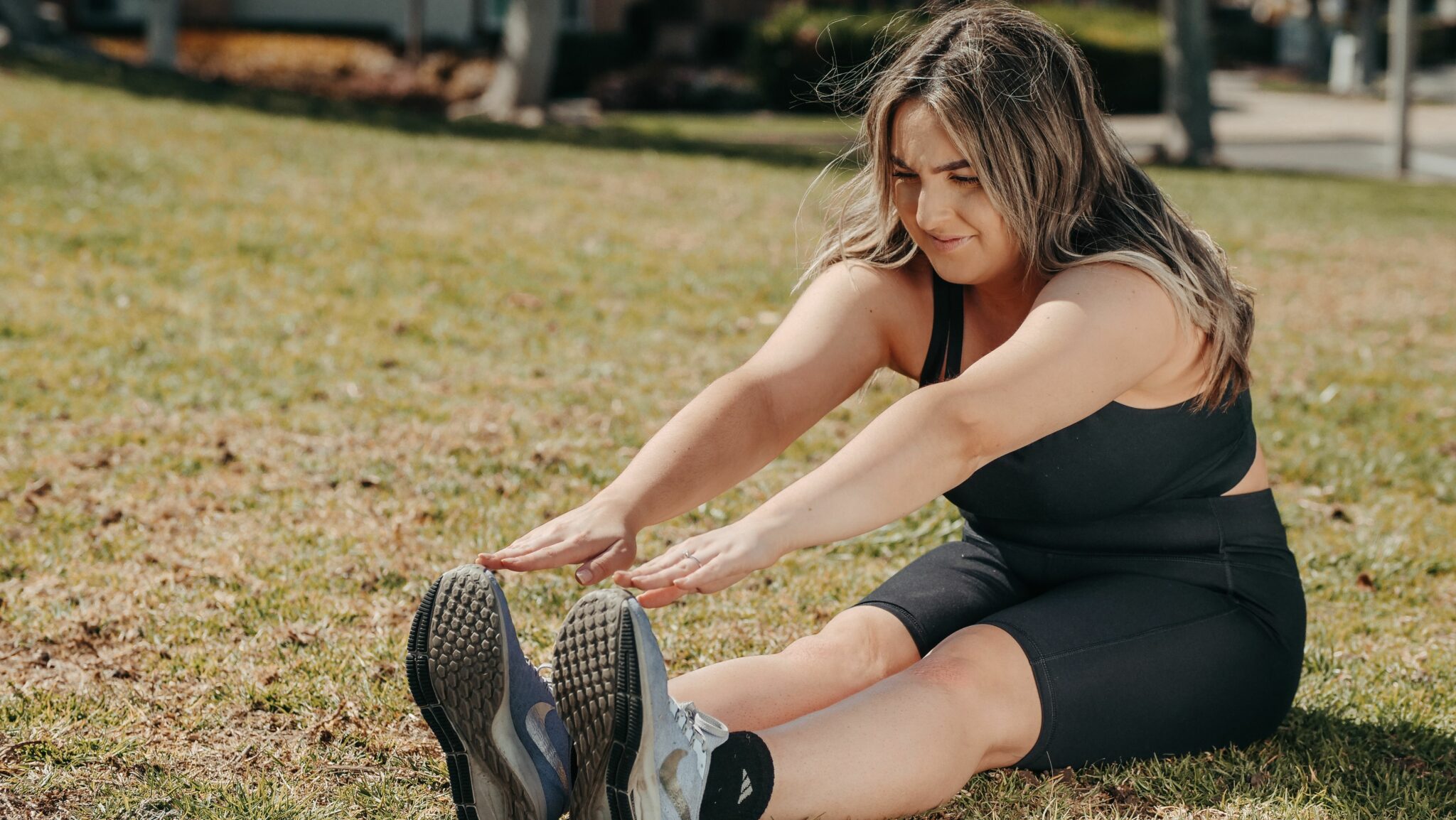
Exercise challenges the mind as well as the body. Taking time to recover mentally can help prevent burnout and maintain a positive relationship with fitness. Activities such as stretching, walking, meditation, or spending time on enjoyable hobbies can support mental relaxation and overall balance.
By giving your body time to repair, refuel, and recharge, you can improve performance, reduce injury risk, and continue reaching your fitness goals.
Also see: Gym anxiety: Why many people struggle to start fitness journeys
Featured image: Pexels
Be the first to know – Join our WhatsApp channel for content worth tapping into. Click here to join!