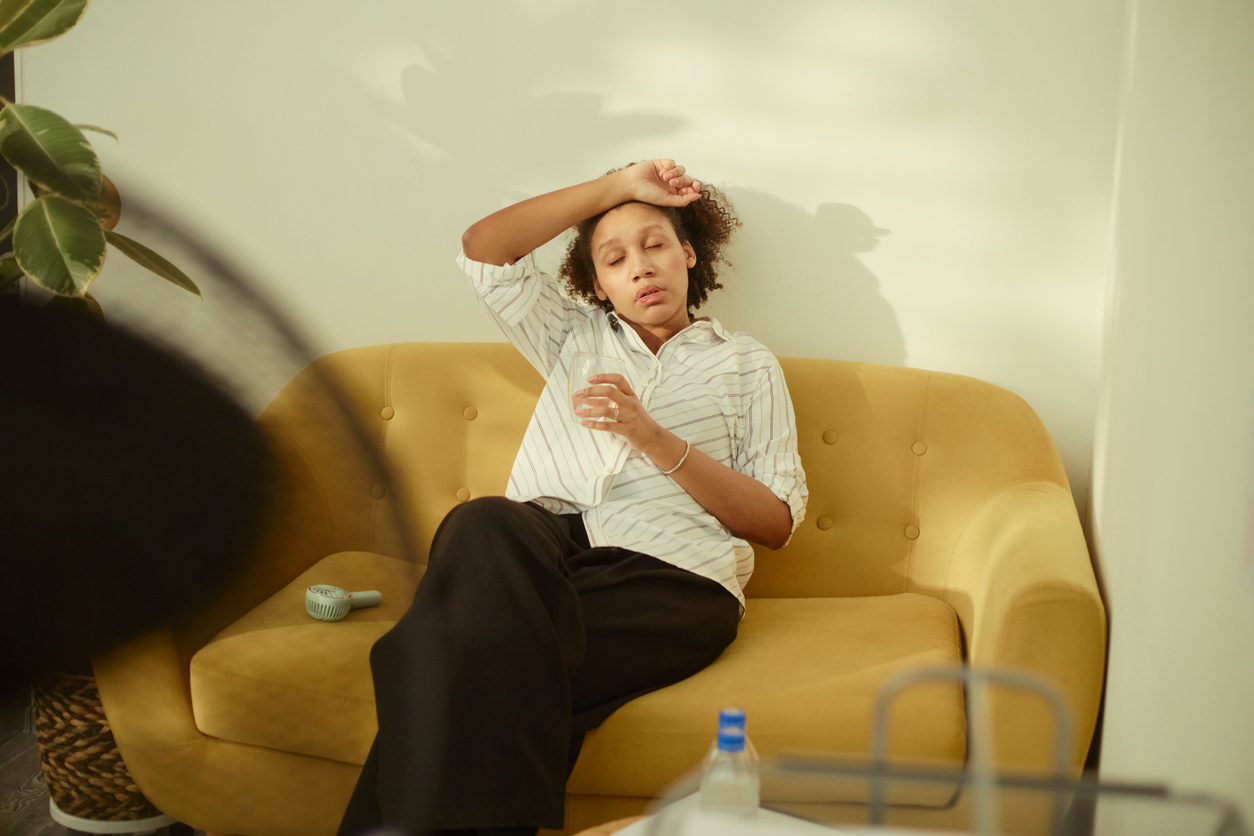
Dehydration can happen more easily than you think, particularly during hot weather, illness or periods of increased physical activity. While reaching for a glass of water might seem like an easy fix, recognising the warning signs early is important, especially when it comes to babies and young children.
Also see: Popular takeaway orders secretly raising dehydration risk
When the body loses more fluids than it takes in, it struggles to perform its normal functions. This can happen for several reasons, from excessive sweating to illnesses that cause vomiting or diarrhoea.
Ziyaad Warasally, ER24 Branch Manager for Northern KwaZulu-Natal, explains what causes dehydration, who is most vulnerable and when to seek medical attention.
What causes dehydration?
Not drinking enough water is an obvious cause, but dehydration is not always simply a matter of forgetting to drink throughout the day.
According to Warasally, excessive sweating, particularly when exercising or spending time outdoors in hot weather, can contribute to fluid loss.
Vomiting and diarrhoea can also leave the body struggling to replace lost fluids. Certain medical conditions, including diabetes, may increase the risk because high blood sugar levels can cause more frequent urination.
Who is most at risk?
Although dehydration can affect anyone, babies, children and older adults are particularly vulnerable.
Older people may not experience thirst as strongly, meaning they might not drink enough water. Their bodies also naturally contain less water, increasing their risk.
Babies are equally vulnerable because they lose fluids quickly due to their small size and have higher fluid requirements relative to their bodies. They also cannot communicate when they are thirsty.
Children are more likely than adults to become dehydrated because their bodies are less efficient at conserving water. They are also more susceptible to illnesses such as diarrhoea, which can cause significant fluid loss.
Also see: Is your body dehydrated? Signs to watch for
Signs of dehydration to look out for
Recognising the symptoms early can help prevent dehydration from becoming more serious.
In adults, common signs include:
- Increased thirst
- Dizziness and light-headedness
- Headaches
- Dry mouth
- Dark-coloured urine
- Fatigue
- Increased heart rate
For babies, the warning signs may be less obvious. Parents and caregivers should look out for a dry nappy lasting three hours, a sunken soft spot on the head, sunken eyes, dry eyes when crying and unusual tiredness or listlessness.
Warasally advises seeking medical attention if a baby displays these symptoms. Medical help is also recommended if a baby vomits more than three times within 24 hours.
Children experiencing diarrhoea for longer than 24 hours should be assessed by a doctor. Adults should seek medical attention if they experience dizziness or if their symptoms do not improve after drinking water.
How to treat and prevent dehydration
Treatment depends on how severe the dehydration is. In serious cases, hospitalisation may be necessary, with fluids administered through an intravenous (IV) drip to correct the body’s fluid imbalance, notes the expert.
For less severe cases, an oral rehydration solution can help replace lost fluids and electrolytes.
How to prepare a rehydration solution:
- Using a sachet: Mix one rehydration sachet with one litre of water and drink slowly over four to six hours, following the product instructions.
- Homemade solution: Dissolve six teaspoons of sugar and one teaspoon of salt in one litre of water. Drink slowly over four to six hours.
If vomiting makes it difficult to keep fluids down, try taking smaller amounts more frequently. Warasally also advises avoiding tea and coffee, as they can increase urination.
For dehydrated babies and children, avoid giving plain water. Instead, offer small amounts of breastmilk, formula or a child-appropriate rehydration solution. A spoon or syringe can help if they struggle to drink.
Prevention starts with drinking water regularly throughout the day. Avoid spending time in direct sunlight during the hottest parts of the day and increase your fluid intake when exercising or experiencing illness, particularly diarrhoea.
Even during colder weather, hydration remains important, as dry air can contribute to moisture loss.
Paying attention to these warning signs and acting early can help prevent dehydration from becoming a more serious health concern.
Featured image: iStock/DragonImages
Also see: How to prepare for the South African summer
Be the first to know – Join our WhatsApp channel for content worth tapping into. Click here to join!