Entering your 30s can feel like a turning point—not just in life but also within your own body. This decade often brings subtle, sometimes surprising changes that many describe as a form of “body betrayal”.
Although these body shifts may seem minor at first, they mark the beginning of a natural ageing process that affects how your body looks, feels and functions.
Also see: Dating in 2026: Are we asking for too much or settling for less?
Understanding the changes
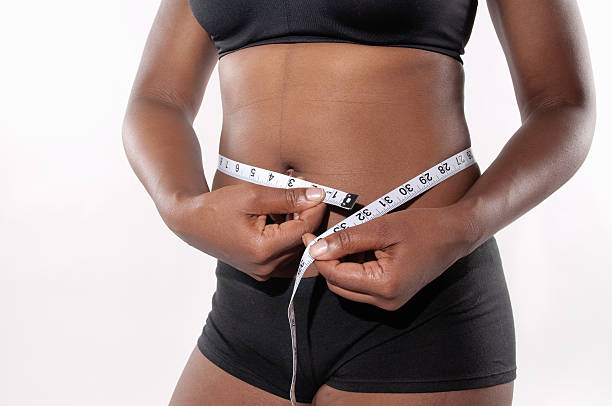
During your 30s, the metabolism gradually slows down, making it easier to gain weight even when your eating habits and activity levels remain the same.
Muscle mass tends to decline slowly without regular strength training, and fat distribution may shift, often accumulating more around the abdomen. Skin changes also become noticeable: collagen production decreases, leading to reduced elasticity and the first fine lines or wrinkles.
Then there are hormonal fluctuations that play a key role, especially for women, as oestrogen levels can begin to decline, influencing energy levels, mood and skin health and men might notice a gradual dip in testosterone, affecting muscle tone and stamina.
Why these changes occur
Biologically, the body’s cells operate less efficiently as time passes. Collagen and elastin—proteins essential for youthful skin—diminish with age. Muscle synthesis slows, and fat storage mechanisms shift, partly influenced by genetics and lifestyle.
Stress, sleep quality and diet during your 30s also significantly impact how pronounced these changes become.
Also see: Best Skincare Habits for Your 20s: Dermatologist-Backed Routine for Clear, Healthy Skin

Embracing the transition
Though these changes may feel like a betrayal, they also signal an opportunity to adapt and care for your body more intentionally. Incorporating regular exercise, especially strength training and cardiovascular activities, can counterbalance muscle loss and metabolic slowdown.
Prioritising sleep, managing stress and adopting a nutrient-rich diet support skin health and overall vitality. Consulting healthcare professionals about hormonal health can also be beneficial.
Ultimately, the transition through your 30s is a natural evolution. Understanding and embracing these subtle shifts empowers you to age with grace, resilience and confidence.
Also see: The joys of having children later in life: What to expect
Be the first to know – Join our WhatsApp channel for content worth tapping into. Click here to join!