
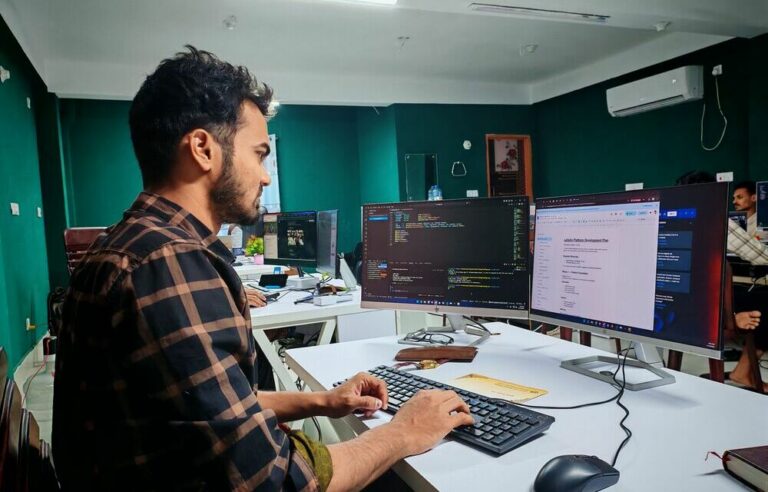
Spending hours at a desk has become the norm for many people, but a sedentary lifestyle can take a toll on both physical and mental health. Sitting for prolonged periods has been linked to an increased risk of heart disease, type 2 diabetes and musculoskeletal problems.
Also see: How to stay active if you hate the gym
According to the World Health Organisation, regular physical activity is essential for maintaining good health, even if you have a busy work schedule.
The good news is that you don’t need a gym membership or hours of free time to stay active. Small, consistent changes throughout the day can make a meaningful difference.
Take regular movement breaks
It’s easy to lose track of time when you’re focused on work. The British Heart Foundation recommends standing up and moving around regularly to break up long periods of sitting.
Set a reminder to stand, stretch or walk for a few minutes every 30 to 60 minutes. A quick trip to refill your water bottle or a short walk around the office can help improve circulation and reduce stiffness.
Walk whenever possible
Look for opportunities to add extra steps to your day. Park a little further from the entrance, take the stairs instead of the lift or walk to a colleague’s desk instead of sending an email.
If you’re working from home, consider taking a short walk before starting work or during your lunch break to mimic a daily commute.
Stretch throughout the day
Hours of sitting can lead to tight muscles, especially in the neck, shoulders, hips and lower back. According to the American Academy of Orthopaedic Surgeons, regular stretching can help improve flexibility and reduce muscle tension.
Simple neck rolls, shoulder stretches and standing hamstring stretches can be done in just a few minutes without disrupting your work.
Make phone calls more active
Instead of sitting during every phone call, stand up or walk while you talk. Walking meetings can also be a great option for informal discussions if your workplace allows it.
These small changes help increase your daily movement without requiring extra time.
Strengthen your posture
Good posture helps reduce strain on your back and neck. The Mayo Clinic recommends sitting with your feet flat on the floor, shoulders relaxed and your computer screen positioned at eye level.
Engaging your core muscles while sitting and adjusting your workstation ergonomically can also help prevent discomfort.
Also see: 5 Ways to stay active when gym membership feels too expensive
Keep simple exercise equipment nearby
Resistance bands, light dumbbells or a stability ball can encourage short exercise breaks during quieter moments of the day.
Even a few minutes of bodyweight exercises like squats, calf raises or wall push-ups can help improve strength and circulation.
Stay hydrated
Drinking enough water supports your overall health and naturally encourages you to get up more often for refills or bathroom breaks.
Keeping a reusable water bottle on your desk can serve as a reminder to stay hydrated throughout the day.
Use your lunch break wisely
Rather than spending your entire lunch break at your desk, head outside for a brisk walk or do a few gentle stretches. According to the Centers for Disease Control and Prevention, even short bouts of physical activity throughout the day contribute to your overall weekly exercise goals.
Fresh air and movement can also help improve focus and productivity during the afternoon.
Aim for regular exercise outside work
While staying active during the workday is beneficial, it shouldn’t replace regular exercise. The World Health Organisation recommends that adults aim for at least 150 to 300 minutes of moderate-intensity physical activity each week, along with muscle-strengthening activities on two or more days.
Whether it’s walking, cycling, dancing or playing a sport, choosing activities you enjoy makes it easier to stay consistent.
Small changes add up
You don’t have to overhaul your routine to become more active. Taking the stairs, stretching between meetings, walking during phone calls and making time for short movement breaks can all contribute to better health. Over time, these simple habits can improve your energy levels, reduce stiffness and support your long-term wellbeing, even if your job keeps you at a desk for most of the day.
Also see:How to stay active when it’s too cold to go outside
Be the first to know – Join our WhatsApp channel for content worth tapping into. Click here to join!