Anxiety is one of the most common mental health challenges worldwide, affecting people across all backgrounds.
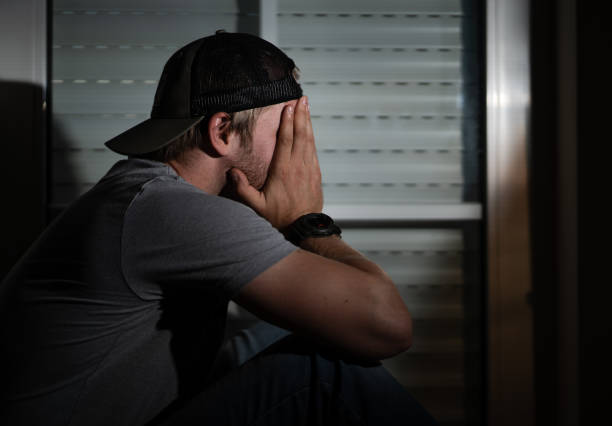
However, many men continue to ignore or dismiss anxiety symptoms because of social expectations around masculinity, emotional strength, and self-reliance.
Some men may believe they simply need to “push through” stress, stay busy, or avoid discussing what they are experiencing. Over time, untreated anxiety can affect relationships, work performance, physical health, and overall quality of life.
Also see: How sleep affects anxiety and depression
Recognising anxiety symptoms is not a sign of weakness. Understanding what is happening allows men to take better care of their mental and emotional well-being.
Men’s Health Magazine spoke to a mental health therapist, and these are some of the behaviours that often show up in anxious men.
Constant irritability and anger
According to Men’s Health magazine, some men’s anxiety may manifest as rage or anger. That a man getting angry is a more acceptable response than acknowledging anxiety.
Many people associate anxiety with fear or worry, but in men, it can often appear as frustration, impatience, or anger. Feeling constantly on edge, becoming easily annoyed by small issues, or having a short temper may be signs of underlying anxiety.
Overthinking and constant worry
Everyone worries occasionally, but anxiety can turn normal concerns into a continuous cycle of negative thoughts.
Research shows that men experiencing anxiety may repeatedly analyse situations, expect the worst outcome, or struggle to switch off their minds. They may spend excessive time worrying about work, finances, relationships, health, or future responsibilities.
Also see: Anxiety in your 20s & 30s — practical coping tools that actually work
Using alcohol as a distraction
Still, alcohol is a double-edged sword. Drink too much, and the booze can make you more anxious.
Men’s Health Magazine found a study where men consumed more drinks as their anxiety got worse. The study theorised that heavy drinking may have developed as a maladaptive coping mechanism to relieve their anxiety.
Avoiding situations and losing interest
Anxiety can gradually influence behaviour. Some men may begin avoiding social situations, important conversations, professional opportunities, or activities they previously enjoyed.
Avoidance often provides temporary relief, but it can strengthen anxiety over time by reinforcing the belief that certain situations are too difficult to handle.
Changes such as withdrawing from friends, avoiding responsibilities, or losing interest in hobbies may be signals that emotional stress needs attention.
Physical symptoms and tension
Since anxiety is not only a mental experience, it can also show within the body, affecting the body in many ways. Many men ignore physical symptoms because they assume they are unrelated to stress. Common physical signs of anxiety may include: muscle tension around the neck and shoulders, rapid heartbeat, or feeling unusually alert.
Normalising these symptoms can prevent men from recognising when they need support. Paying attention to changes in mood, behaviour, and physical health is an important part of taking care of yourself.
Also see: Exercises to try out when anxiety strikes
Feature Image: Getty Images/ Photo by Nicolas Armer
Be the first to know – Join our WhatsApp channel for content worth tapping into. Click here to join!