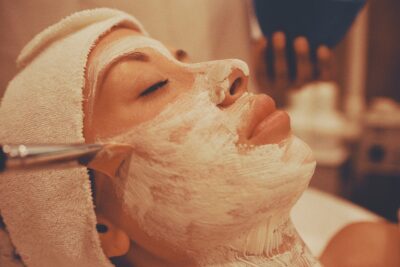
Winter is often considered the ideal season for chemical peels, especially for people looking to improve their skin texture, address pigmentation and achieve a brighter complexion.
With lower levels of sun exposure in many regions, colder months can provide favourable conditions for skin treatments that require careful aftercare.
A chemical peel is a cosmetic treatment that involves applying a solution to the skin to remove damaged outer layers. Depending on the type and strength of the peel, it can help reduce concerns such as uneven skin tone, fine lines, acne marks and dullness.
Also see: Ingredients to look for in your skincare products
Why winter may be a good time for chemical peels
One of the main reasons winter is popular for chemical peels is reduced ultraviolet (UV) exposure. After a peel, the skin can be more sensitive to sunlight, making sun protection especially important. Spending less time in intense sunlight may make it easier for patients to protect their skin while it heals.
Winter routines can also naturally involve more time indoors, allowing the skin to recover without as much exposure to environmental factors such as heat, sweat and excessive sun.
Skin renewal during the colder months
Chemical peels work by encouraging the removal of old skin cells and supporting the appearance of fresher, smoother skin underneath. During winter, many people focus on repairing dryness and improving their overall skincare routine, making it a popular time to invest in treatments that refresh the skin.
However, cold weather can also bring challenges. Indoor heating, wind and low humidity may contribute to dryness and sensitivity, so proper moisturising and gentle skincare are important during the recovery period.
Also see: Skincare Mistakes That Cause Hyperpigmentation: Why Your Dark Marks Aren’t Fading
The importance of preparation and aftercare
While winter can be a suitable season for a chemical peel, the success of the treatment depends on factors such as skin type, the strength of the peel and following professional advice.
After a peel, skincare professionals generally recommend:
- Using a broad-spectrum sunscreen daily, even in winter.
- Avoiding harsh exfoliants and irritating products during recovery.
- Keeping the skin moisturised.
- Following the aftercare instructions provided by a qualified professional.
Is winter the only time to get a chemical peel?
Not necessarily. Chemical peels can be performed throughout the year when appropriate precautions are taken. People who live in sunny climates or spend significant time outdoors may need extra sun protection regardless of the season.
The best time for a chemical peel depends on an individual’s skin needs, lifestyle and the advice of a qualified dermatologist or skincare professional.
Winter may offer a convenient window for chemical peels because of lower sun exposure and more favourable healing conditions, but good skincare habits and professional guidance remain the most important factors.
With the right preparation and aftercare, a chemical peel can be a valuable addition to a skin rejuvenation routine at any time of year.
Also see: Angel Ndlela expands her empire with new skincare venture
Featured image: Pexels
Be the first to know – Join our WhatsApp channel for content worth tapping into. Click here to join!