Beauty Pressure in the Social Media Era
There’s a new kind of pressure women are dealing with today—and it doesn’t come from a single person, workplace, or family member.
It comes from a screen.
Every scroll, every story, every filtered selfie quietly reinforces a message:
you are being watched, compared, and measured.
And over time, that changes how women see themselves.
Research consistently shows that social media exposure is linked to increased body dissatisfaction and lower self-esteem, especially among young women who frequently engage with image-focused platforms like Instagram and TikTok.
This is what “beauty pressure in the social media era” really looks like in everyday life.
How Social Media Redefined Beauty
Before social media, beauty standards were mostly shaped by magazines, TV, and advertising.
Now, they are:
- constant
- personal
- algorithm-driven
- and interactive
Platforms don’t just show beauty—they repeat it, amplify it, and personalise it to what you already engage with.
This has created what researchers describe as unrealistic and highly curated beauty ideals that are difficult for everyday people to match.
In simple terms:
You don’t just see beauty standards anymore—you live inside them.
The Comparison Trap
One of the biggest drivers of beauty pressure is comparison.
On social media, you are constantly exposed to:
- edited photos
- filtered videos
- highlight reels of perfect moments
- influencer lifestyles
- “glow-ups” and transformations
Studies show that comparing yourself to others online is strongly linked to body dissatisfaction.
The problem is not just comparison itself—it’s involuntary comparison, happening hundreds of times a day without you consciously choosing it.
Filters, Editing & “Digital Perfection”
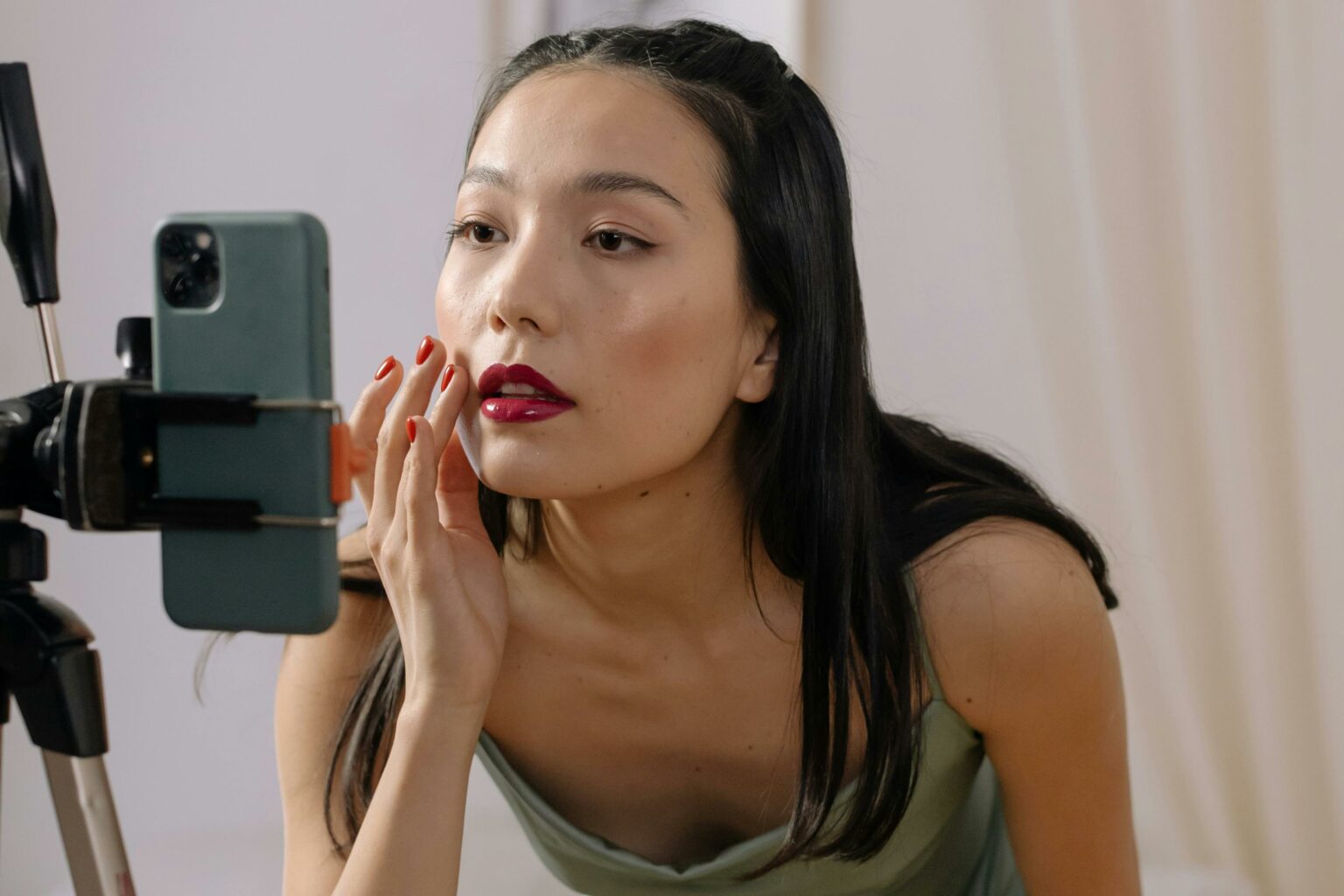
Modern beauty pressure is heavily shaped by filters and editing tools.
Skin appears smoother. Features are reshaped. Lighting is perfected. Even “natural” looks are often curated.
This has created a digital beauty standard that is:
- unrealistic in real life
- constantly evolving
- and increasingly uniform
Experts warn that this can increase anxiety, low self-worth, and body image concerns over time.
What makes it harder is that many women are not comparing themselves to reality—they’re comparing themselves to enhanced versions of reality.
The Mental Health Impact
Beauty pressure doesn’t stay on the surface.
It often shows up as:
- overthinking appearance before leaving the house
- feeling “not enough” without makeup or filters
- anxiety after posting photos
- constant self-monitoring
- dissatisfaction with natural features
Research links exposure to idealised beauty content with anxiety, depression, and lowered self-esteem.
And because social media is so integrated into daily life, there’s often no real break from it.
The Algorithm Effect (Why It Feels Worse Over Time)
Social media algorithms learn what you stop on.
So if you pause on:
- beauty content
- fitness influencers
- transformation videos
- aesthetic edits
You’ll see more of it.
This creates a feedback loop where beauty content becomes more frequent and more intense over time—shaping what feels “normal” even when it isn’t.
The South African Reality
In South Africa, beauty pressure takes on a unique shape.
Women are navigating:
- global beauty standards online
- local cultural expectations
- financial pressure around appearance upkeep
- rising beauty industry costs (hair, nails, skincare, lashes)
Social media often blends all of this into one constant stream of comparison.
And because platforms are global, the “ideal” being pushed is often far removed from everyday local realities.
The Rise of Awareness & Resistance
There is also a growing shift happening.
More women are:
- unfollowing unrealistic accounts
- embracing natural hair and skin
- normalising no-filter content
- discussing body image openly
- choosing authenticity over perfection
Even research highlights that exposure to diverse and body-positive content can improve body image over time.
What Helps Reduce Beauty Pressure
This isn’t about quitting social media completely.
It’s about changing how you interact with it:
- curate your feed intentionally
- unfollow accounts that trigger comparison
- take breaks from scrolling
- follow real, diverse creators
- focus on offline identity, not digital identity
Small shifts can reduce mental load significantly over time.
Beauty pressure in the social media era is not just about looking good.
It’s about living in a constant environment of comparison.
But the important truth is this:
What you see online is not a standard you have to meet—it’s a curated version of reality designed to keep attention.
And stepping back from that pressure doesn’t mean you stop caring about beauty.
It means you stop letting it define your worth.
Also see: Denise Zimba shares emotional reflection on Mother’s Day without her children
Featured Image: Pexels
Be the first to know – Join our WhatsApp channel for content worth tapping into. Click here to join!