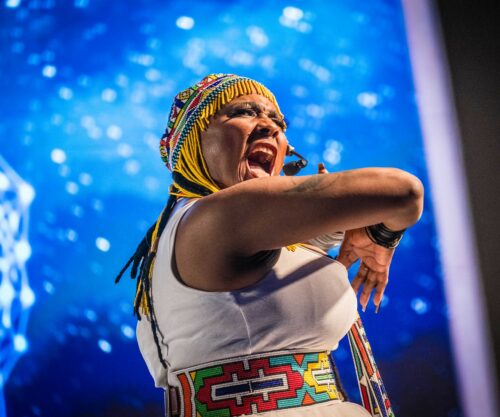
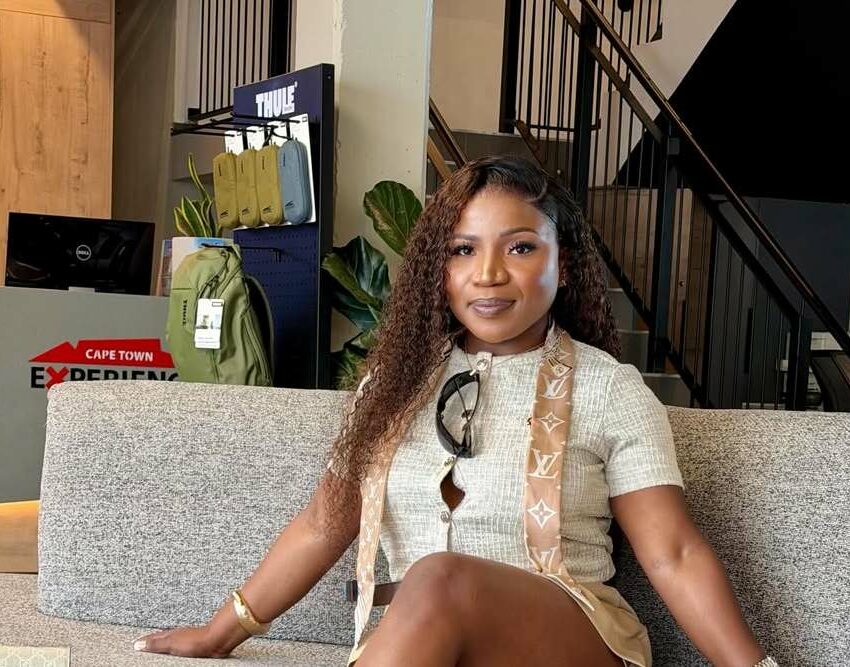
Award-winning musician Ndivhudzannyi Ralivhona, popularly known as Makhadzi, has found herself at the centre of a heated online debate after comments she made regarding immigration protests sparked widespread criticism on social media.
Also see: Makhadzi asks Sjava for a collaboration and fans are loving the idea
Following the backlash, the Limpopo-born star issued a public apology, saying she never intended to offend anyone or contribute to division. Her statement came after social media users accused her of endorsing anti-immigration sentiments, with many expressing disappointment over her remarks.
In her apology, Makhadzi acknowledged the hurt her comments may have caused and appealed to her supporters and the broader public for forgiveness, stressing that her intention was not to fuel tensions between communities.
Iam not going to stop asking you to forgive me .. iam not tribalism, I just didn’t know things will turn like this . Kindly please forgive me my fellow South African .. i stl reapeat Iam not against march and march. pic.twitter.com/wGBFAKSFuZ
— Makhadzi (@MakhadziSA) June 3, 2026
Social media split over Makhadzi’s apology
The apology quickly became a trending topic online, with users split on whether to accept her explanation.
Some fans welcomed the singer’s response, praising her for taking accountability and addressing the controversy publicly. They argued that everyone makes mistakes and that acknowledging wrongdoing should be encouraged rather than ridiculed.
Others, however, felt the apology did not go far enough. Critics questioned whether the statement reflected genuine remorse or was simply a reaction to public pressure. Some social media users maintained that public figures should be more mindful of the influence their words can have on sensitive social and political issues.
Oh Makhadzi, save it Sthandwa. You knew exactly what you were doing. You are deliberately dividing South Afticans and you are fully aware of your influence, you are actually doing what you claim to stand against. You are what March & March is that deluded brain of yours. https://t.co/x9CoNVKv2J
— Nokulunga Zulu (@NokulungaZulu2) June 3, 2026
thank you for asking for forgiveness we forgive you mama https://t.co/qT72wI8Cls
— Aviwe Ndabazipheli (@Aviwe_ii) June 3, 2026
I think you should have gotten your facts right first before commenting. As a celebrity, what you did created division and hatred among the people of South Africa. As an artist, I believe you need to make sure your facts are correct before making public comments.
— Bongiwe Indlovukazi (@BIndlovukazi) June 3, 2026
Also see: WATCH | ‘First day back at work!’ – Makhadzi makes emotional stage return
A broader conversation
The incident has also reignited discussions around immigration, xenophobia, and social cohesion in South Africa. Many commentators noted that conversations about immigration are often emotionally charged and require careful engagement from both public figures and the public.
The controversy surrounding Makhadzi’s comments has underscored the power of social media to amplify public opinion and hold influential figures accountable for their statements.
Looking ahead
While opinions remain divided, Makhadzi’s apology has become part of a broader national conversation about responsibility, influence, and the role public figures play in shaping public discourse.
As the debate continues, many fans will be watching to see how the singer moves forward from the controversy and whether the public ultimately accepts her apology.
Also see: Makhadzi turns a hospital selfie into the bold cover for her new single ‘Operations’
Be the first to know – Join our WhatsApp channel for content worth tapping into. Click here to join!