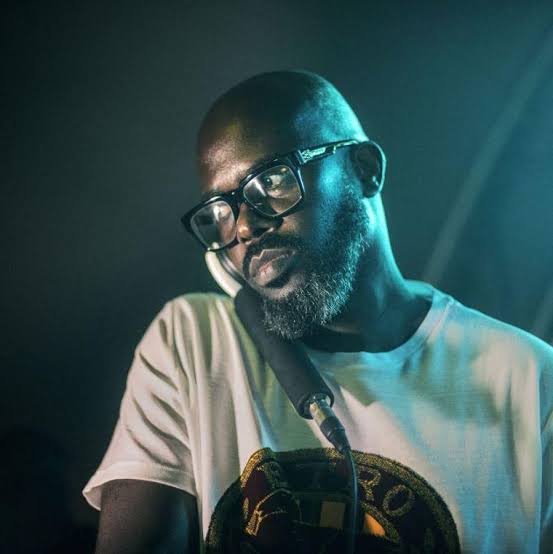
Black Coffee turns London’s O2 Arena into a celebration of South African excellence
On a warm London evening, thousands of music fans streamed into the iconic O2 Arena, eager to witness something far bigger than a typical DJ set. What unfolded was a moment that felt personal not only for the artist on stage, but also for many South Africans watching his journey from afar.
For one night, Black Coffee transformed one of the world’s most famous entertainment venues into a showcase of music, ambition and perseverance.
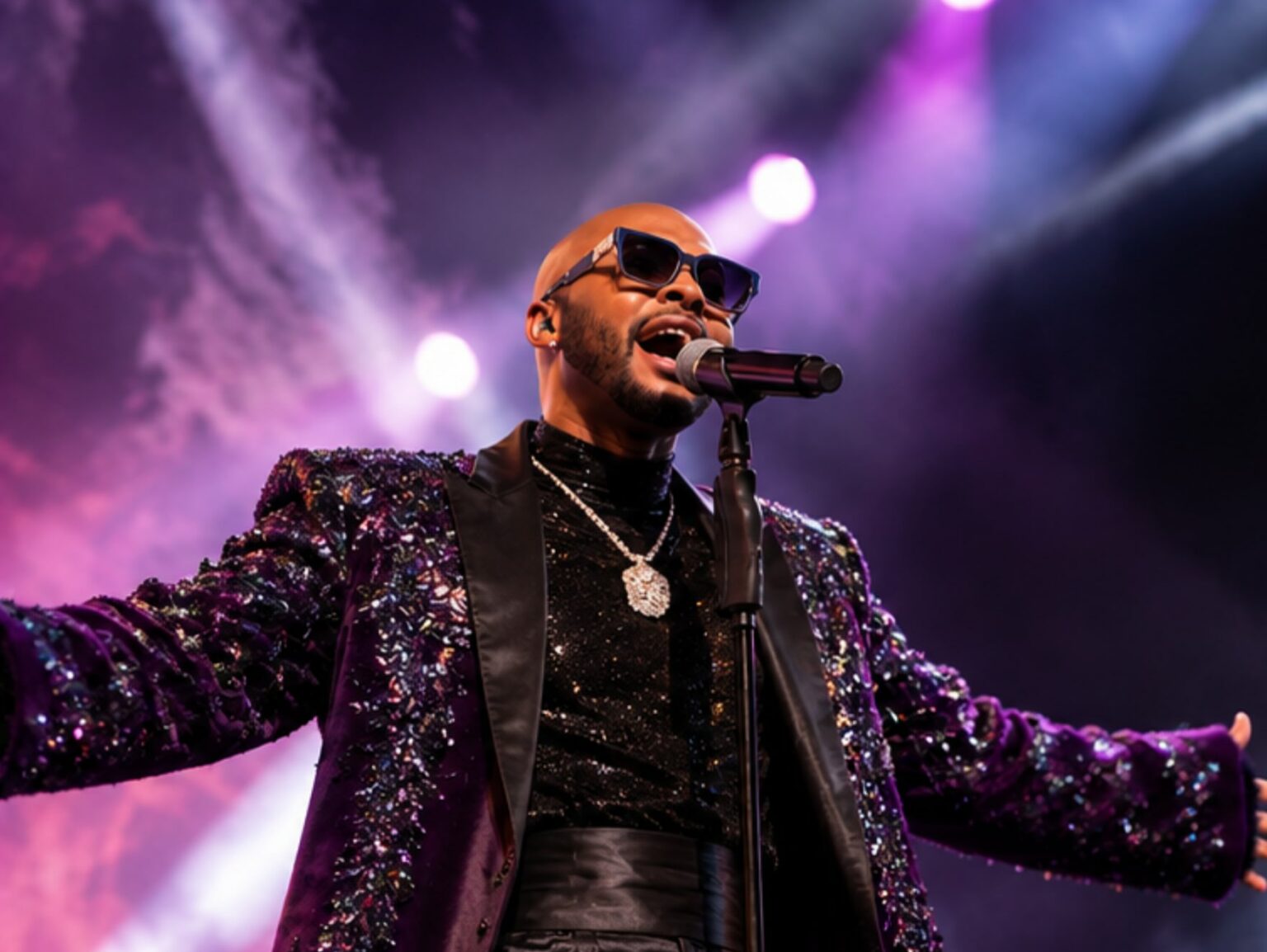
Backed by a live orchestra, joined by special guests and performing before a sold-out crowd, the Grammy-winning DJ delivered what many fans have described on social media as one of the most significant performances of his international career.
From small club sets to one of London’s biggest stages
Success stories often look effortless from a distance. But for Black Coffee, whose real name is Nkosinathi Maphumulo, the O2 Arena performance represented years of steady progress rather than overnight fame.
Long before headlining massive festivals and international residencies, he was performing in much smaller venues across London. Returning to the city as the star attraction in a packed arena carried symbolic weight.
For many South African fans online, the achievement felt deeply personal. Social media platforms were flooded with messages celebrating how a local artist from KwaZulu-Natal had risen to command one of Europe’s most prestigious stages.
It was another reminder of how far South African music has travelled in the global entertainment industry.
A performance built around more than beats
What made the show stand out was its scale.
Instead of relying solely on electronic music, Black Coffee incorporated a full orchestra into the production, creating a blend of house music, live instrumentation and visual storytelling.
The result was a three-hour spectacle that pushed beyond the traditional boundaries of a DJ performance.
Adding to the excitement was the presence of special guests, including Alicia Keys, whose backstage appearance generated buzz among concertgoers.
For London audiences known for their deep connection to club culture, the performance offered something unique — a fusion of underground dance music and large-scale live production.
The resilience behind the success
While audiences see the awards, sold-out venues and international acclaim, Black Coffee’s story has also been shaped by personal hardship.
As a teenager, he survived a devastating car accident that left him with a serious injury to his left arm. The incident changed the course of his life and could easily have ended his dream of becoming a professional DJ.
Instead, he chose to continue pursuing music.
That determination has become a defining part of his career narrative and one reason many South Africans see him as more than just a successful entertainer. He represents resilience, persistence and the ability to overcome setbacks that might have stopped others.
Why Black Coffee wants more for South African artists
Despite becoming one of Africa’s most successful musical exports, Black Coffee believes the local music industry still faces major challenges.
He has repeatedly argued that South Africa lacks enough structured pathways to help emerging artists develop sustainable careers.
Many local musicians rely on individual hustle, personal networks and luck rather than established industry systems that guide talent from discovery to global recognition.
His comments resonate with many creatives who believe South Africa produces world-class talent but often lacks the infrastructure needed to consistently support it.
Redefining how African artists are seen globally
One of the most interesting aspects of Black Coffee’s career is his view on how African artists should position themselves internationally.
Rather than seeking recognition through separate categories or labels, he has often argued that artists from the continent should compete directly on the global stage.
That philosophy was evident when he pursued recognition alongside mainstream international acts rather than limiting himself to categories specifically created for African music.
His Grammy victory became more than a personal achievement. For many industry observers, it signalled a shift in how African artists are increasingly viewed — not as niche performers, but as global competitors in their own right.
A moment bigger than one concert
The sold-out O2 Arena show arrived at a time when South African music is enjoying unprecedented international attention.
From amapiano dominating global playlists to local artists collaborating with international stars, the country’s influence on world music continues to grow.
Black Coffee’s London performance felt like another milestone in that journey.
As the lights dimmed and orchestral melodies blended with his signature house sound, it became clear that this wasn’t simply another stop on a world tour. It was a statement about how far South African music has come — and how much further it can still go.
For fans back home, it was also a reminder that one of their own continues to carry the South African flag onto some of the world’s biggest stages, proving that local talent can stand shoulder-to-shoulder with the very best in the business.
Also see: “I can’t hear” – Nhlanhla Mafu on hearing loss journey
Featured Image: X{@TheTruthPanther}
Be the first to know – Join our WhatsApp channel for content worth tapping into. Click here to join!