
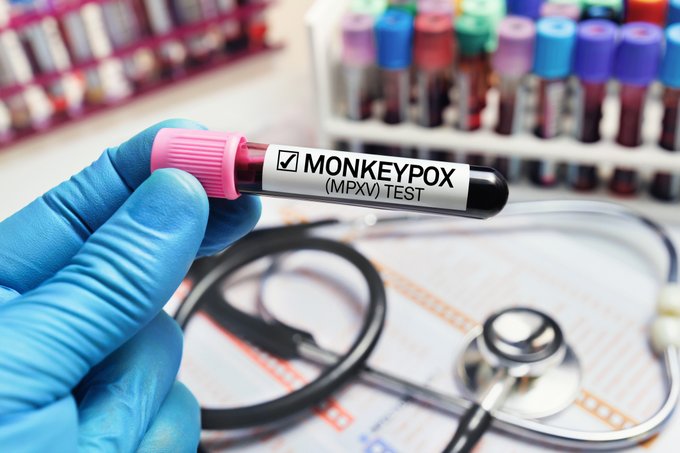
South Africa’s confirmed mpox, formerly monkeypox, cases have increased by four, taking the national total from 18 to 22 laboratory-confirmed cases, according to the Department of Health.
Also see: Mpox cases rise to 18 in South Africa as Cape Town sees rapid spread
According to reports, the latest cases were confirmed as health authorities continue to monitor a recent increase in mpox infections, particularly in the Western Cape. The department announced the updated figures on Wednesday, 23 September 2026.
3 Provinces affected
Out of the 22 confirmed cases, 18 are located in the Western Cape, three in Gauteng, and one in KwaZulu-Natal. This means that the majority of confirmed infections are concentrated in the Western Cape, particularly in Cape Town.
One of the newly confirmed cases involves a man from Cape Town who travelled to Spain. He was initially classified as a probable case while South African authorities awaited laboratory results from Spanish health officials. After receiving confirmation of a positive test, this case was added to the national total of confirmed cases.
Health authorities urge vigilance
The increase comes less than a week after the Department of Health warned South Africans to remain vigilant following a rapid rise in laboratory-confirmed cases.
As of 17 September 2026, authorities had recorded 18 confirmed cases and one probable case. The department noted that 13 cases had been recorded between 13 August 2026 and 17 September 2026, highlighting the need for continued surveillance and early detection.
The National Institute for Communicable Diseases (NICD) is supporting the response, while health authorities are conducting contact tracing and enhanced surveillance in affected areas. The NICD has also reported that investigations into clusters of cases in the Western Cape are continuing.
Also see: What Monkeypox is and how safe and how to stay safe from it
Know the symptoms
Mpox can cause symptoms including fever, headache, muscle aches, back pain, fatigue and a rash or skin lesions. Lesions can occur on different parts of the body, including the face, hands, feet and genital area.
The Department of Health says people who develop symptoms, particularly after close contact with someone who has confirmed or suspected mpox, should seek medical attention promptly and avoid close contact with others.
The virus can spread through close physical contact, including skin-to-skin contact with lesions, as well as contact with contaminated bedding, clothing and towels. Prolonged face-to-face contact can also present a risk.
The government, with support from the World Health Organisation, has secured limited supplies of mpox vaccines and treatment as part of its response strategy. Health authorities will determine where and how these resources are deployed.
With confirmed infections now recorded across three provinces, authorities are urging the public to remain alert, seek medical care when symptoms develop and support people affected by mpox without stigma or discrimination.
Also see: Second case of Monkeypox confirmed in South Africa
Be the first to know – Join our WhatsApp channel for content worth tapping into. Click here to join!