South Africa has recorded 18 confirmed mpox cases and one probable case, with the majority of infections reported in the Western Cape, particularly Cape Town.
Also see: What Monkeypox is and how safe and how to stay safe from it
The Department of Health issued a public vigilance call on Friday, 18 September 2026, following a rapid increase in laboratory-confirmed cases in recent weeks. As of 17 September 2026, 15 confirmed cases had been recorded in the Western Cape, three in Gauteng and one probable case in KwaZulu-Natal.
[BREAKING] The Health Department calls for public vigilance as Mpox cases rise in South Africa. As of yesterday, 18 cases have been confirmed, with one probable case reported. The majority of the cases have been reported in Cape Town. Tune in to #eNCA on #DStv403 for the latest… pic.twitter.com/NJq8BkUCd0
— eNCA (@eNCA) September 18, 2026
13 Cases recorded in just over a month
The department said 13 of the confirmed cases were recorded between 13 August and 17 September, which it said suggests rapid local transmission.
The patients range in age from 23 to 50, with a median age of 36.5. Of the 19 confirmed and probable cases, 18 involve men, and one involves a woman.
One of the latest cases involves a person who travelled to Spain earlier this month and returned to South Africa on 14 September 2026. South African health authorities are working with Spanish counterparts to verify the person’s laboratory results.
Also see: Second case of Monkeypox confirmed in South Africa
How mpox spreads
Mpox can affect anyone and is mainly transmitted through close physical contact with an infected person, including contact with rashes or lesions.
The virus can also spread through contaminated items such as bedding, clothing and towels. Prolonged face-to-face contact, including exposure to respiratory droplets, can also result in transmission.
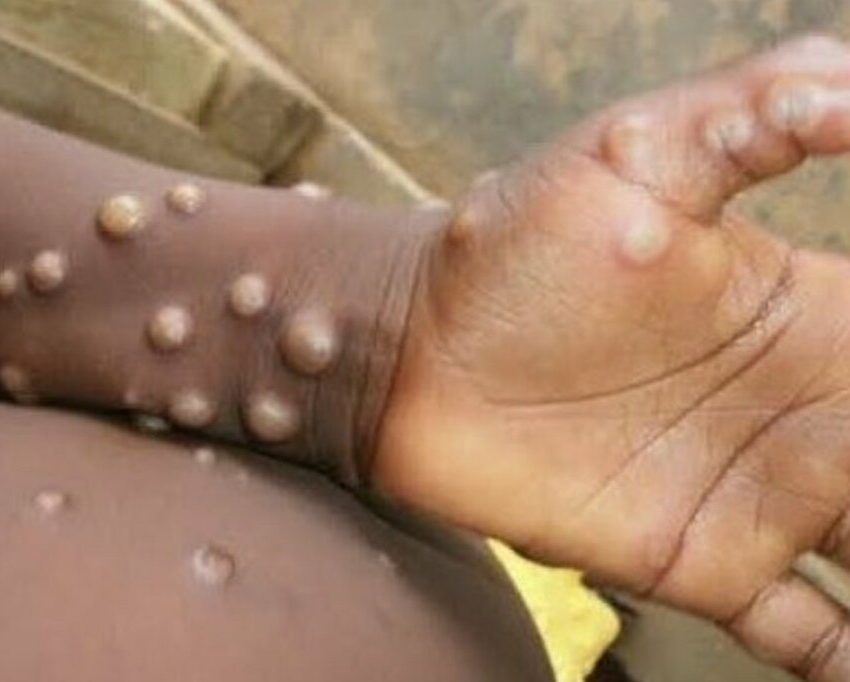
The Department of Health says symptoms can include fever, headache, muscle aches, back pain, fatigue and a rash or skin lesions. Lesions may appear on the face, hands, feet, genitals or other parts of the body.
Symptoms generally develop within six to 13 days after exposure, although the incubation period can range from five to 21 days.
Public urged to seek medical care
People who develop symptoms, particularly after having close contact with someone who has confirmed or suspected mpox, are being urged to seek medical attention and avoid close contact with others.
Health authorities are also emphasising hand hygiene, including regular handwashing or the use of sanitiser, as part of efforts to limit transmission.
The government, with support from the World Health Organisation, has secured limited doses of mpox vaccines and Tecovirimat treatment as part of its response. Health authorities will determine where and how these resources are deployed.
Officials have also urged communities to support people affected by mpox, warning that stigma and discrimination could discourage people from seeking medical care and undermine efforts to contain the outbreak.
Also see: Is monkeypox back?
Be the first to know – Join our WhatsApp channel for content worth tapping into. Click here to join!