
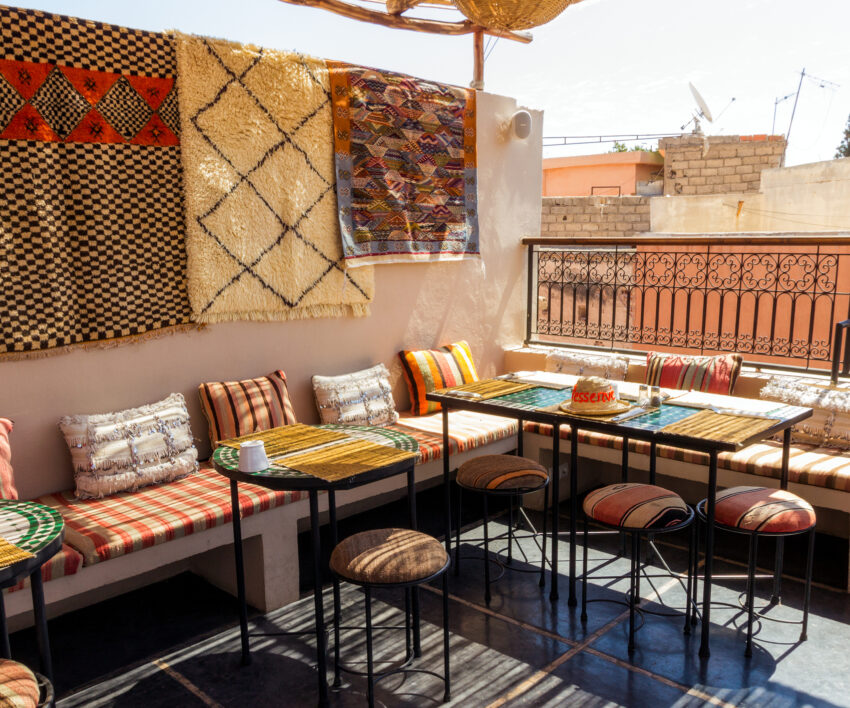
For years, South African interior design was dominated by ultra-minimalist neutrals: muted beige palettes, austere grey concrete, and safe, unchallenging woods.
Driven by a desire for resale value and sleek, Scandinavian-inspired simplicity, living spaces often prioritised modern aesthetics over personal expression.
Also see: Sarah Langa launches her own lush interior design studio
However, a vibrant post-pandemic cultural shift is taking root across South Africa’s residential landscape.
Enter ‘dopamine decor,’ a design movement rooted in colour psychology, tactile nostalgia, and emotional well-being. Rather than curating homes for external validation or neutral appeal, South Africans are increasingly designing for internal joy, transforming their living spaces into personalised sanctuaries that evoke happiness, comfort, and cultural pride.
The psychology of joy-first spaces
At its core, dopamine decor operates on the principle that our immediate environment directly dictates our neurological state and daily mood.
Research from the Environmental Psychology Research Group at the University of Surrey confirms that intentional home design directly influences stress regulation, emotional recovery, and cognitive restoration.
Behavioural psychologists from the American Psychological Association (APA) note that surrounding oneself with intentional colour, playful patterns, and deeply personal objects triggers micro-releases of dopamine, the brain’s neurotransmitter responsible for pleasure and motivation.
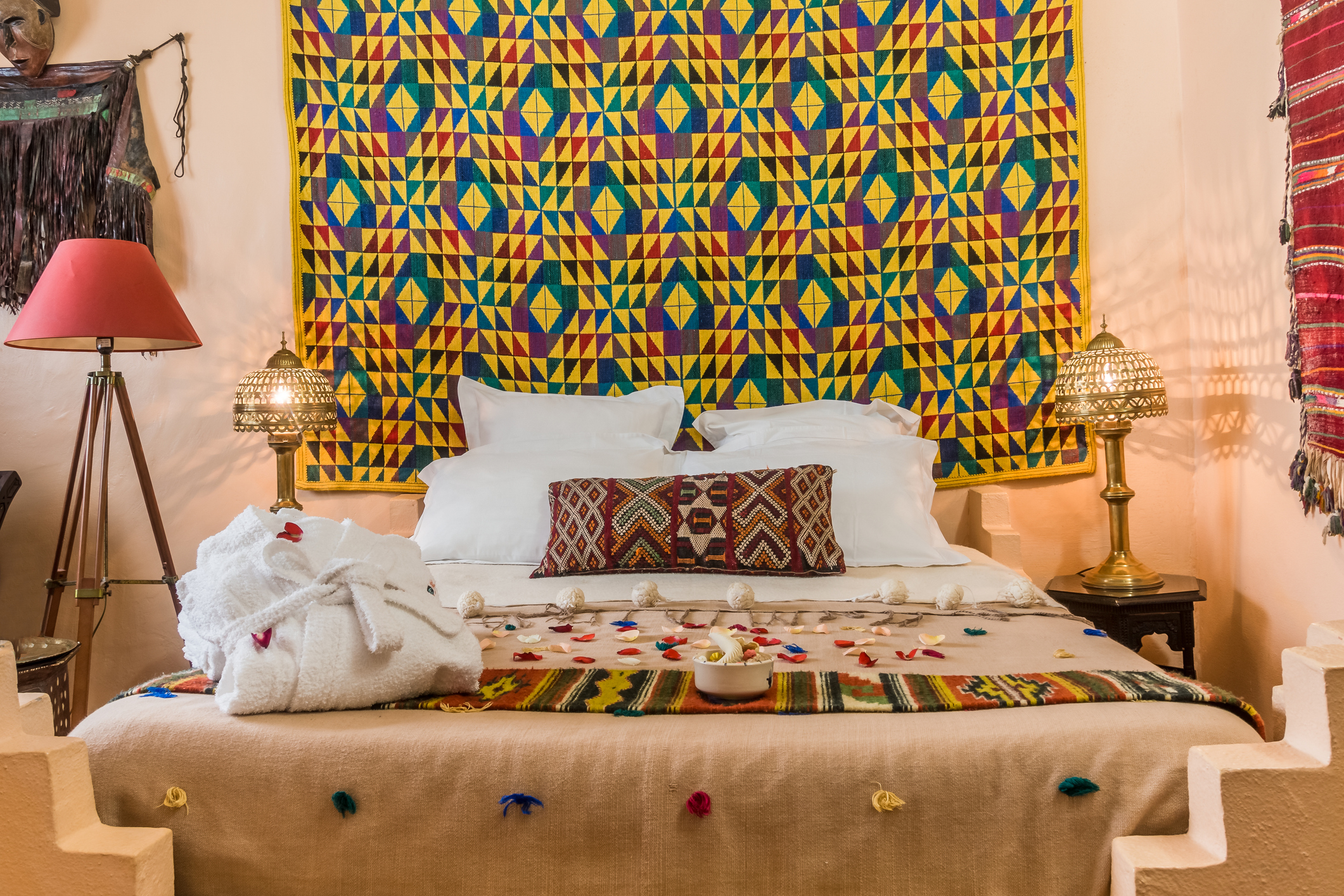
Prominent South African interior architect Donald Nxumalo highlights this emotional shift in local design, noting that clients are moving away from muted, showroom-style perfection in favour of spaces that offer emotional resonance. He explains that colour, texture, and heritage transform a house into an environment that feels deeply personal and alive, rather than simply aesthetic.
Studies published by the Pantone Colour Institute indicate that vibrant warm hues actively stimulate energy levels and positivity, while rich botanical tones promote psychological grounding. High-saturation tones such as sun-drenched yellows, energetic terracottas, and calming ocean blues are rapidly replacing sterile whites in Mzansi homes.
Also see: Interior design principles: 5 keys to a well-designed home
Mzansi’s unique spin: Cultural heritage meets maximalism
While dopamine decor is a global trend, South African homeowners and local designers are interpreting the movement through a distinctly local lens. Rather than relying purely on mass-produced pop-art aesthetics, Mzansi’s approach to dopamine decor merges vibrant maximalism with rich cultural storytelling.
According to insights from the Institute of Interior Design South Africa (IID), there has been a marked rise in homeowners commissioning bespoke pieces from local artisans.
Incorporating traditional woven basketry, hand-painted ceramics, and bold Shweshwe-inspired patterns alongside modern furniture allows spaces to feel simultaneously playful, grounding, and deeply tied to South African identity.
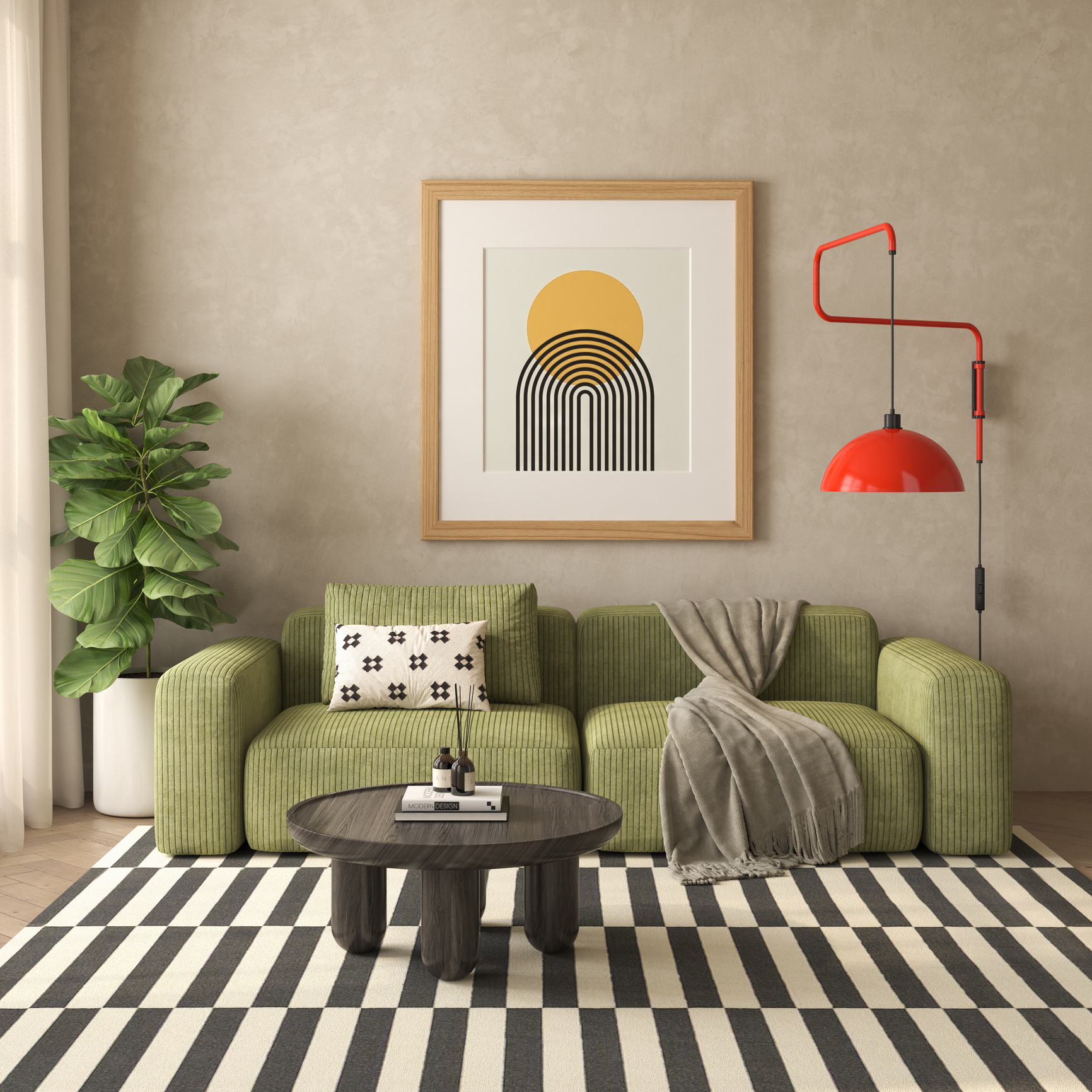
Small-scale transformations for maximum impact
Adopting joy-first living does not require a full structural renovation. Local colour consultants and interior stylists emphasise that dopamine decor lies in incremental, intentional choices that elevate everyday routines.
As South Africans spend more time balancing remote work, personal wellness, and home life, the shift toward dopamine decor marks a permanent departure from clinical minimalism. By choosing colour over safety and joy over convention, South Africa is building homes that do not just look good, but actively make us feel good.
Also see: A fresh perspective: Spring 2025 interior design trends to refresh your home
Be the first to know – Join our WhatsApp channel for content worth tapping into. Click here to join!