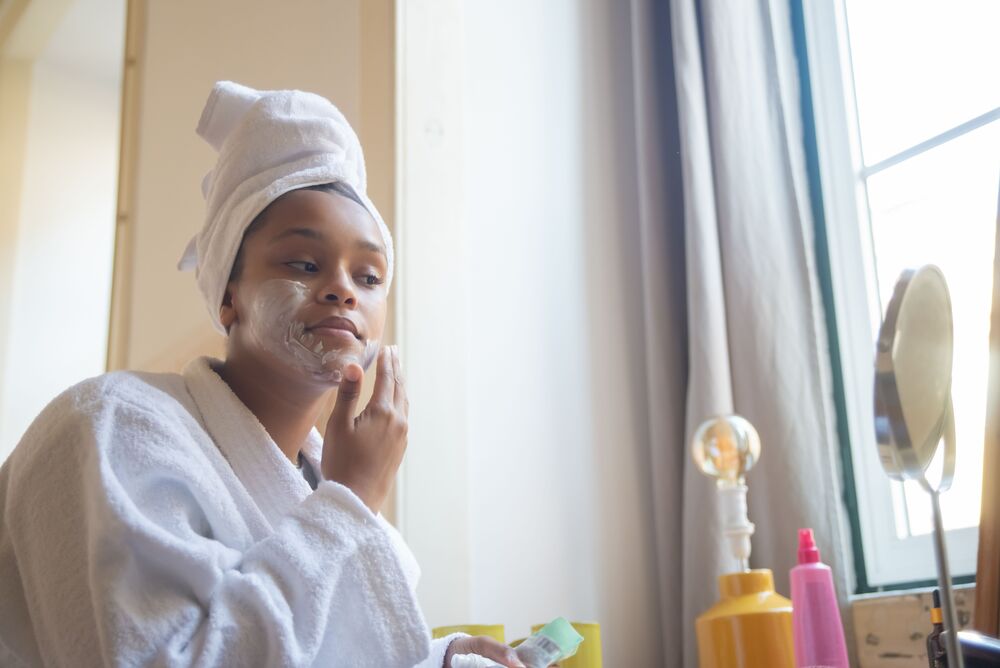
South Africa’s health conversation is changing. While hospitals, doctors and medicines remain at the centre of treating disease, more people are also paying attention to prevention, mental well-being, healthy lifestyles and complementary therapies.
Also see: Start a wellness journal and watch your health habits thrive
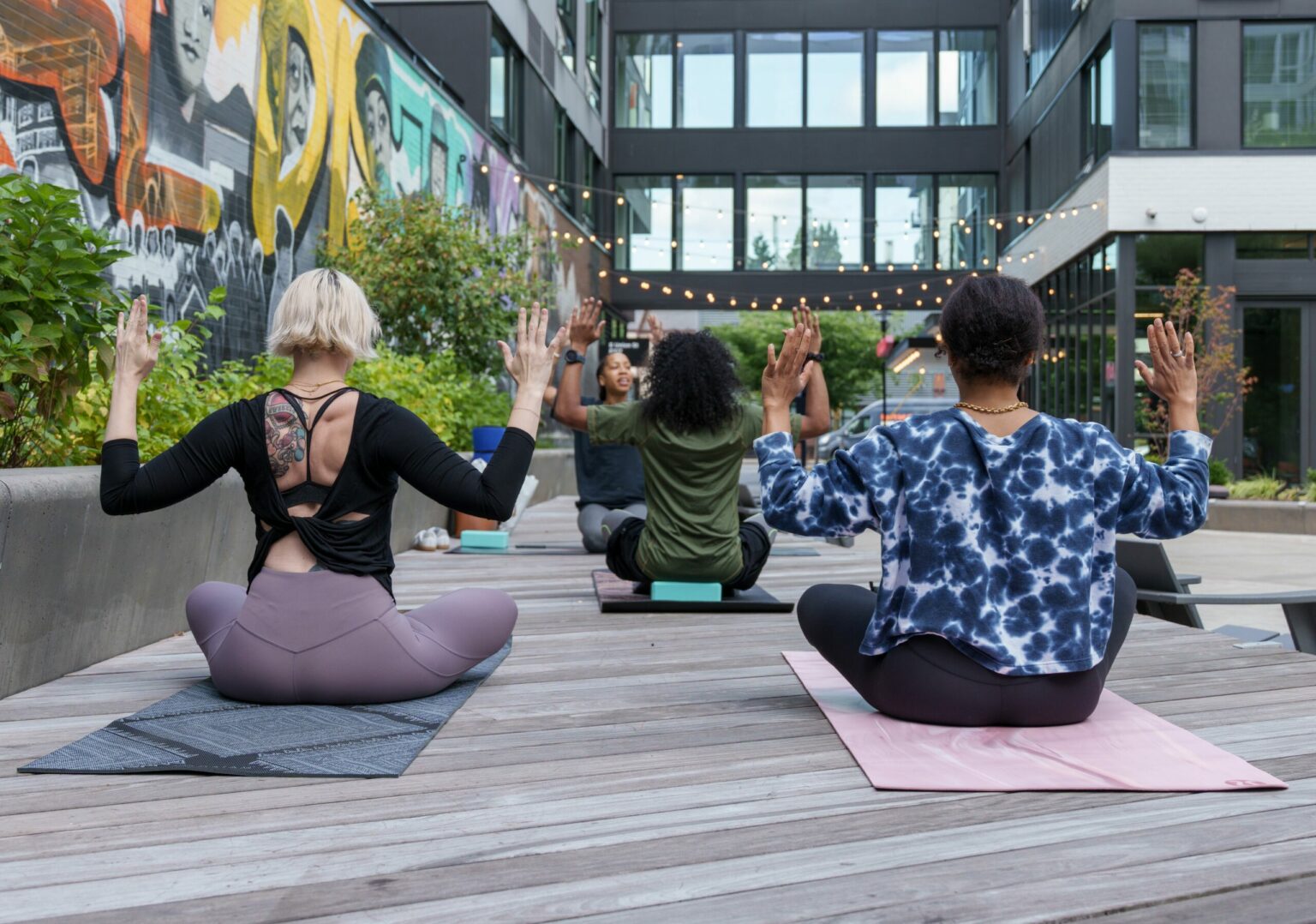
Yoga, meditation, massage, acupuncture, nutrition-based wellness programmes and African traditional medicine are increasingly part of a broader understanding of health.
This does not mean abandoning conventional medicine. Instead, the emerging approach is about asking how different, appropriate forms of care can work together to support the whole person.
A broader approach to wellness
Wellness is increasingly understood as more than simply being free from disease. The World Health Organisation (WHO) describes mental health, for example, as a state of well-being that helps people cope with life’s stresses, realise their abilities and contribute to their communities.
WHO also highlights the importance of community-based and preventative approaches to mental health.
Wellness practices that encourage physical activity, relaxation, social connection and healthier lifestyles can therefore play a supportive role.
Wellness and mental health
Mental well-being is likely to remain one of the strongest drivers of interest in wellness therapies.
South Africans are increasingly talking about burnout, anxiety, stress and the importance of taking care of their mental health.
Practices such as meditation, exercise, mindfulness and relaxation can form part of a broader self-care routine.
But wellness should not become a substitute for professional mental-health services. WHO’s latest Mental Health Atlas highlights continuing shortages in mental-health resources globally, particularly in lower-income settings.
The Mental Health Atlas also recommends strengthening accessible, community-based services alongside prevention and promotion.
This creates an opportunity for wellness initiatives to support—not replace—formal mental-health care.
Also see: Fitness trends reinventing the future of health and wellness for 2025
A need for evidence-based wellness
The rapid growth of the wellness sector also brings risks. Social media has made it easy for unproven treatments and exaggerated health claims to spread.
A treatment being described as ‘natural,’ ‘traditional’ or ‘holistic’ does not automatically make it safe or effective. Herbal products, supplements and certain therapies can have side effects or interact with conventional medicines.
For this reason, South Africa’s wellness sector needs credible practitioners, appropriate regulation, consumer education and stronger research.
One of the most distinctive aspects of wellness in the country is the continuing importance of African traditional medicine. From herbalists, diviners and traditional birth attendants, all of whom form part of the wellness wave in the country.
But one thing is for sure: the future of wellness in the country could increasingly involve cooperation between conventional health professionals and appropriately regulated traditional practitioners.
Also see: Hydration matters: The key to better health and wellness
Featured image: Pexels
Be the first to know – Join our WhatsApp channel for content worth tapping into. Click here to join!