Opinion
The concept of plagiarism in the creative space remains complex. Though plagiarism is clear and well-defined in practice, there are many questions to ask and, essentially, answer.
Also see: Shoprite responds as SA accuses them of stealing the FillRite concept
Plagiarism is defined as stealing someone’s work and passing it off as your own without proper credit.
However, an argument can be made that art isn’t created in a vacuum, bringing into question what can be deemed as plagiarism and what can be deemed as influence.
One can look into music sampling, creative or aesthetic niches, story tropes, and the like and question: for there to be a ‘Cinderella’ trope, wouldn’t there have been many reiterations of the same ‘Cinderella’ story? Is it copying or influence?
Copying or influence?
In recent years, many social media creators have accused other creators of copying their aesthetics, content, and intellectual property. American TikTok star Charli D’Amelio was accused of building her career on stealing creative content from a smaller creator.
The most recent example in the South African context is when popular content creator Grace Mondlana accused another content creator, Advise Langa, of copying her content.
The accused posted an apology video explaining their thought process behind making similar content to Grace.
“From my side, I took it like this: Grace is the biggest vlogger in South Africa, so in my head I thought, the way Grace vlogs is how everyone vlogs.”
Thus, highlighting the thin line between what can be deemed copying and what can be deemed influence.
Also see: WATCH: Grace Mondlana calls out Advise Langa for allegedly copying her videos
Parody and pastiche
Parody and pastiche are creative techniques in literature that are aimed at imitating existing literary works, art, music, or film. These techniques differ fundamentally, but serve a similar purpose: an accepted form of imitation within the artistic realm.
It is important to note that these techniques carry specific tones, intent, and treatment of their reference material.
So is plagiarism an intent issue or an act issue? Does the ethical problem of plagiarism lie in the intent of the person copying, or in the act of copying?
And how can both be measured?
These complexities are central to plagiarism in a creative space, as the creative process moves from inspiration to a manifested work of art. Art is collectively created; art is communal; art is inspired by life as life is inspired by art.
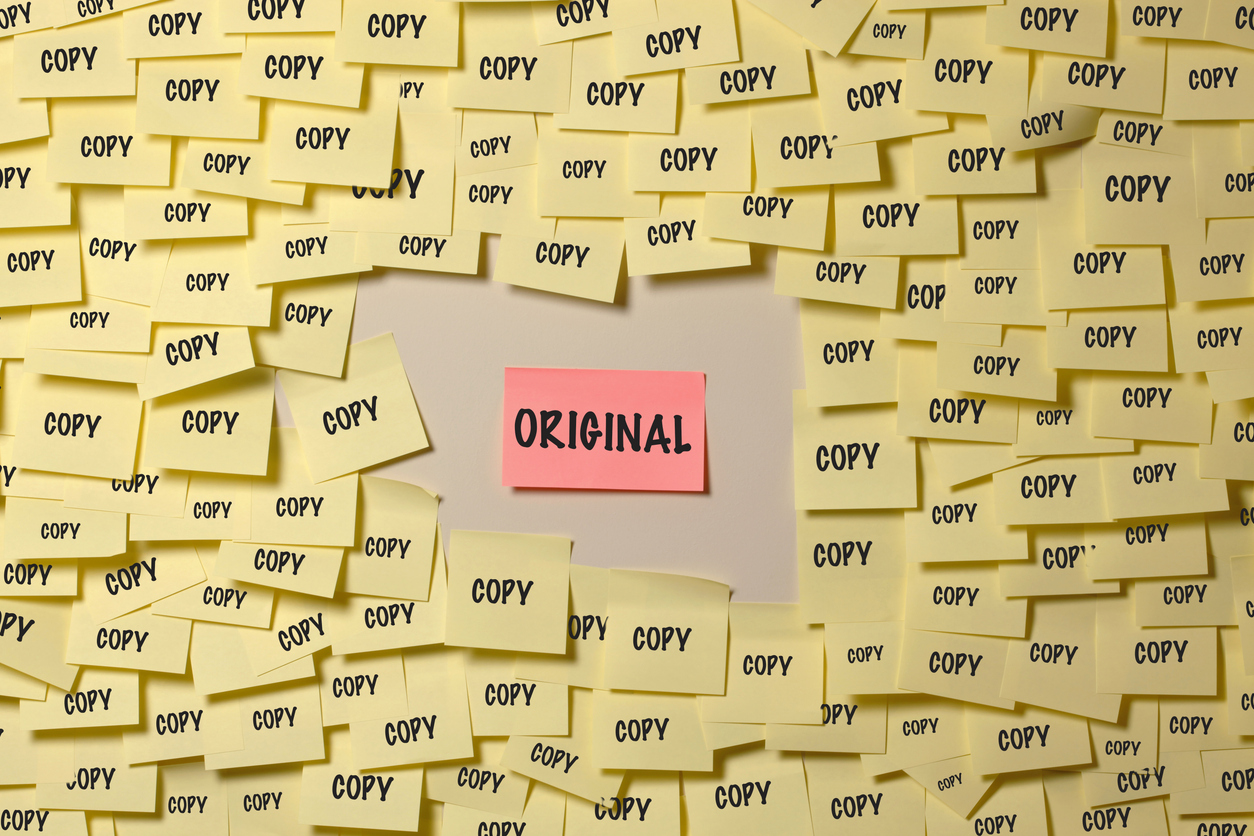
Featured image: iStocks/tolgart
Also see: Ntsiki Mazwai Accuses Nicki Minaj of Copying Her Album Cover – Fans Push Back
Be the first to know – Join our WhatsApp channel for content worth tapping into. Click here to join!