
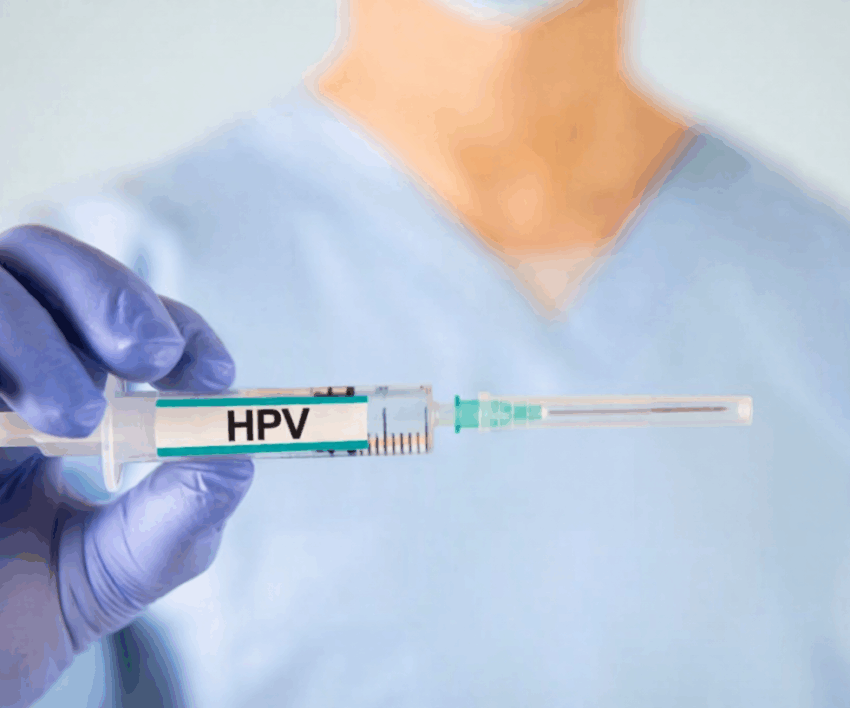
Cancer prevention may seem like an adult conversation, but when it comes to HPV, some of the most important protection can start in childhood.
When your child is offered a vaccine at school, it is natural to have questions. What does it protect against? Why is it being given at this age? And, perhaps most importantly, why does my child need it now?
The HPV vaccine can be an important opportunity to protect your child against certain cancers later in life. Here are five things every parent should know.
Also see: Five good reasons to get your flu vaccine today
1. The HPV vaccine is about cancer prevention – not sexual activity
One of the biggest misconceptions about the HPV vaccine is that giving it to a child somehow assumes they are or will soon become sexually active. That isn’t the purpose of the vaccine.
Human papillomavirus (HPV) is extremely common and can be passed through intimate skin-to-skin contact. Most HPV infections cause no symptoms and clear naturally, but persistent infection with certain high-risk HPV types can lead to cancer.
“Parents may understandably wonder why a vaccine linked to a sexually transmitted virus is being offered to their child at such a young age. The answer is prevention.
“We want to provide protection before exposure to HPV occurs, giving children the best opportunity to benefit from the vaccine when they are older. This is why we offer two doses of the HPV vaccine for female beneficiaries between ages nine and 14,” says Dr Themba Hadebe, Clinical Executive at Bonitas.
2. HPV is common, and you may never know you have it
HPV isn’t something that only affects people who are unhealthy or have made poor choices. It is one of the most common viral infections globally, and most people will encounter HPV at some point in their lives.
The challenge is that an HPV infection often has no symptoms. While most infections resolve on their own, persistent infection with high-risk HPV can cause abnormal cell changes that may eventually develop into cancer.
Almost all cervical cancer cases are linked to HPV infection, making vaccination an important tool in cancer prevention.
Also see: Here is a list of vaccines you should get your baby as a first-time parent
3. Why vaccinate so young? Because timing matters
The HPV vaccine is most effective when given before exposure to the virus.
This is why HPV vaccination is recommended during early adolescence, rather than waiting until adulthood. South Africa’s national school-based programme provides an opportunity to vaccinate eligible girls while they are still young and before potential exposure.
And there has been encouraging progress. South Africa achieved 88% HPV vaccination coverage among eligible Grade 5 girls in 2024/25, according to the National Department of Health. But every child who misses that opportunity represents a gap in prevention. If your child missed a vaccination at school, speak to a healthcare professional about whether catch-up vaccination is appropriate.
4. The HPV vaccine doesn’t mean you can forget about prevention later
Getting vaccinated is an important step, but it doesn’t replace other preventative healthcare.
The HPV vaccine significantly strengthens protection against HPV-related disease, but women should still follow recommended cervical cancer screening guidelines as they get older.
Vaccination reduces risk, but it doesn’t eliminate the need for cervical cancer screening later in life. The World Health Organisation’s cervical cancer elimination strategy aims for 90% of girls to be fully vaccinated against HPV by age 15 – alongside increased screening and timely treatment for women who need it.
In other words, prevention is a journey, not a once-off appointment.
5. Questions are encouraged – misinformation isn’t
It is completely reasonable for parents to have questions before consenting to a child’s vaccination.
If you’re unsure about the HPV vaccine, its safety, timing or whether your child needs a catch-up dose, speak to a healthcare professional who can provide advice based on your child’s circumstances.
With so much information online, make sure your questions are answered by a qualified healthcare professional or a trusted health source. The bigger message is that preventative healthcare works best when we act early – before disease has an opportunity to develop.
For parents and caregivers, the HPV vaccine is one small decision that can form part of a much bigger goal: protecting your child’s health today, so that they have a healthier tomorrow.
Also see: Silent threats: Health risks lurking around your vital organs
Be the first to know – Join our WhatsApp channel for content worth tapping into. Click here to join!