
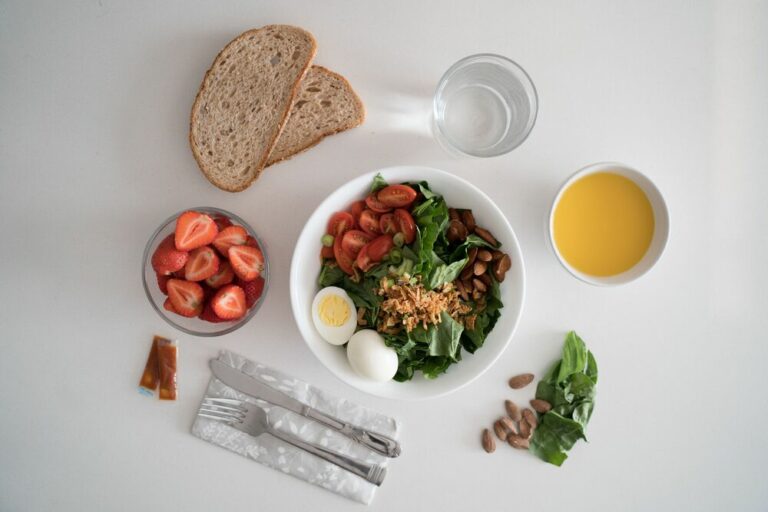
Eating healthier does not necessarily mean following a strict diet or cutting out your favourite foods. A healthy eating pattern is more about balance, variety, moderation, and regularly choosing nutritious foods.
Also see: Healthy eating hacks for neurodivergent people
The World Health Organisation (WHO) says a healthy diet should be based on a variety of minimally processed and unprocessed foods, while limiting foods high in unhealthy fats, free sugars and sodium.
However, some common mistakes can make it harder to maintain a balanced diet.
1. Cutting out entire food groups
One common mistake is assuming that healthy eating means eliminating carbohydrates or fats.
Carbohydrates provide the body with energy, while fats are also essential nutrients. WHO recommends getting carbohydrates primarily from foods such as whole grains, vegetables, fruit and pulses, while choosing healthier unsaturated fats more often.
Instead of eliminating a food group, focus on the quality and quantity of the foods you choose.
2. Not eating enough fruit and vegetables
It can be easy to focus on protein and starch while forgetting about vegetables and fruit.
WHO recommends that people over the age of 10 aim for at least 400g of fruit and vegetables a day. These foods provide important vitamins, minerals and dietary fibre.
Try adding vegetables to lunch and dinner and keeping fruit available for snacks.
3. Assuming all drinks are healthy
A smoothie, flavoured yoghurt drink or fruit juice may seem like a healthier choice than a fizzy drink, but some beverages can still contain significant amounts of free sugar.
WHO recommends limiting free sugars to less than 10% of daily energy intake, with further reductions potentially offering additional health benefits.
Water should generally be your main everyday drink.
4. Eating too much processed food
Convenience foods can make busy days easier, but many highly processed foods contain high amounts of sodium, free sugars or unhealthy fats.
This does not mean every processed food needs to disappear from your kitchen. Instead, make minimally processed foods such as vegetables, fruit, beans, whole grains, nuts and seeds the foundation of your meals.
5. Forgetting about portion sizes
Even nutritious foods can contribute to excessive energy intake when eaten in very large portions.
Rather than obsessing over every calorie, pay attention to your hunger and fullness cues and aim for balanced meals containing vegetables or fruit, a source of protein and a suitable portion of whole grains or other staple foods.
Also see: How to make healthy eating a lifestyle
6. Adding too much salt
You may not realise how much sodium you consume because it can come from processed foods, sauces, stock cubes, processed meats, salty snacks and bread, as well as salt added during cooking.
WHO recommends that adults consume less than 5g of salt per day, equivalent to less than 2g of sodium.
Try tasting food before automatically adding more salt and check nutrition labels when buying packaged foods.
7. Thinking healthy eating has to be expensive
Healthy eating does not have to mean buying expensive speciality products.
Beans, lentils, seasonal vegetables, fruit, oats, whole grains and other basic ingredients can form part of nutritious meals. Frozen and canned fruit and vegetables can also be useful options, provided you choose varieties without added sugars or excessive sodium.
8. Being too restrictive
Another mistake is becoming so strict that eating becomes stressful.
A healthy diet can include foods you enjoy. The goal is to create an eating pattern that is balanced, varied and realistic enough to maintain over time, rather than following an extreme plan for a few weeks.
The bottom line
Healthy eating is not about being perfect. Small, consistent choices can make a meaningful difference. Focus on eating a variety of nutritious foods, including plenty of vegetables and fruit, choosing whole grains and pulses more often, limiting foods high in salt and free sugars, and avoiding unnecessary extremes.
Also see: Here’s how healthy eating can help you fight TB
Be the first to know – Join our WhatsApp channel for content worth tapping into. Click here to join!