While technology has transformed how we discover and enjoy music, it has also created new challenges for protecting the rights and livelihoods of the people who create it. At a time when Africa’s music industry is enjoying unprecedented global recognition, safeguarding our artists’ intellectual property has never been more important.
Also see: Boipelo Mooketsi wins at Basadi In Music Awards
The digital revolution and the rise of piracy
The day the MP3 file format was formalised, 14 July 2005, made digital music accessible to anyone – and made it easier than ever to share it without artists earning the revenue to which they were entitled for creating it.
Digital file formats had existed before that, but the compression which MP3 offered made files small enough to share easily via still-slow internet connections, or write to CDs.
Illegal downloads and peer-to-peer file sharing sites ate the music industry’s dinner – and took that food out of the mouths of the artists who created the music. Music piracy wasn’t born – it matured.
Three decades later, piracy has evolved
Fast forward three decades and music piracy is still rife, via illegal streaming platforms, unlicensed apps and, increasingly, artificial intelligence systems trained on copyrighted music without creators’ knowledge or consent.
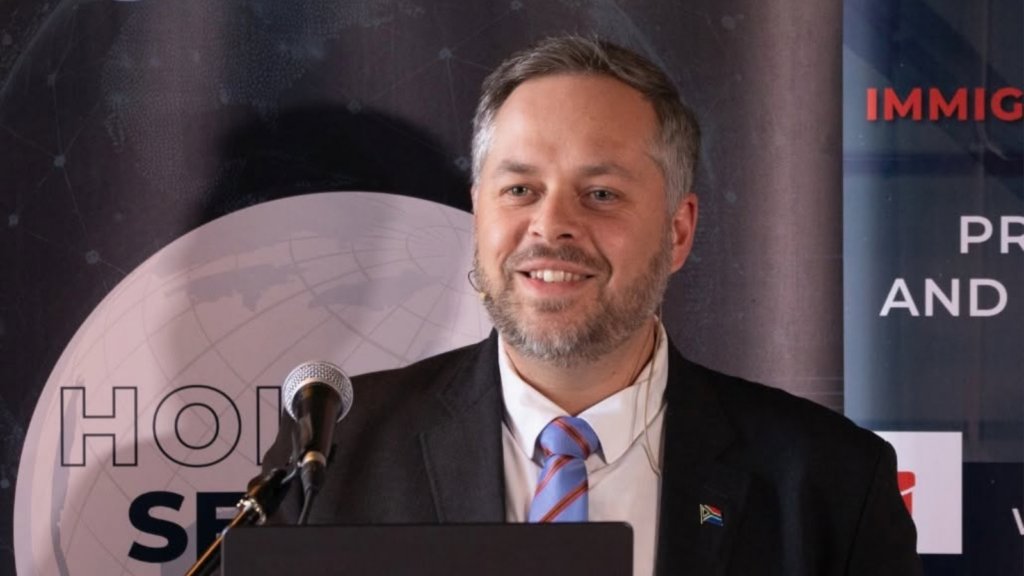
“Piracy does more than reduce profits; it erodes the creative backbone of the industry,” says Chola Makgamathe, Chairperson of the Copyright Coalition of South Africa – custodians of the Partners Against Piracy campaign – capturing the growing challenge facing the music industry today.
Africa’s music industry is a global success story
Africa’s music industry is one of the continent’s greatest success stories. From Amapiano to Afrobeats – and beyond – African artists are shaping global music trends, building international audiences and contributing meaningfully to economic growth.
But sustaining this momentum requires an environment where creativity is protected and rewarded.
“The conversation about piracy is no longer simply about protecting songs – it is about protecting the people, businesses and industries that make the creation and distribution of those songs possible,” says Makgamathe.
Every song has an ecosystem behind it
Every song begins with an idea, but bringing that idea to life requires an entire ecosystem. Songwriters, composers, producers, sound engineers, performers, publishers, distributors and record labels all contribute to creating the music we enjoy.
Copyright exists to ensure that each of these contributors can earn fair compensation when their work is used. Without it, that ecosystem begins to weaken.
Piracy is far from a victimless crime
The Southern African Music Rights Organisation (SAMRO) has consistently warned that piracy is far from the “victimless crime” many consumers consider it to be.
Every illegal download, stream or copy deprives creators of royalties that fund future projects, support livelihoods and encourage investment in new talent.
It doesn’t only affect established artists – it can prevent emerging musicians from building sustainable careers and discourage investment in the next generation of African creative talent.
That makes copyright protection more than a legal obligation; it becomes a critical foundation for protecting creators’ livelihoods, ensuring fair remuneration and enabling a sustainable music economy.
Legitimate access has never been easier
The growth of legitimate streaming services has made music more accessible than ever before. Consumers now have affordable, convenient ways to enjoy millions of songs legally – but piracy has evolved and continues to thrive alongside these legitimate platforms, which pay artists royalties for each stream.
Illegal streaming services, unauthorised IPTV platforms and “stream-ripping” websites allow users to capture copyrighted music from legitimate platforms without compensating artists or rights holders.
These services often generate revenue through advertising or subscription models while bypassing the licensing systems that ensure creators are paid. Someone’s getting paid – but it’s not the artists or creators.
“For consumers, these platforms often appear to offer a shortcut to free entertainment but, in reality, they expose users to malware, phishing scams, identity theft and financial fraud while simultaneously undermining the creative industries that produce the content they enjoy,” says Makgamathe.
“Every act of piracy reduces the revenue available to support artists, producers, technical professionals and the wider music ecosystem”.
Also see: Scatterlings Music Festival brings many together in successful debut
AI brings a new copyright challenge
Just as the industry continues to adapt to digital piracy, another challenge is emerging. Artificial intelligence is transforming music creation, production and discovery. It presents exciting opportunities for innovation, but it has also sparked important questions about copyright and creator consent.
Over the past year, major international record labels have launched landmark legal action against AI music companies, alleging that copyrighted recordings were used to train generative AI models without permission or licensing.
These cases will help define how innovation and intellectual property coexist in the years ahead. While these legal battles are unfolding internationally, they carry important lessons for Africa’s creative industries – innovation should never come at the expense of creators’ rights.
“As technology evolves, so too must our commitment to ensuring that artists are recognised, respected and fairly compensated for the value they create. Addressing piracy requires more than stronger enforcement; it requires changing behaviour,” says Makgamathe.

Changing behaviour starts with awareness
SAMRO has long advocated for greater public awareness to help consumers understand that every legal stream, licensed download or subscription directly supports the people behind the music.
This principle also sits at the heart of the Partners Against Piracy initiative, which seeks to build greater awareness of the impact piracy has on creators, businesses and consumers alike.
Putting people behind the mic in the spotlight
This commitment has been reinforced through the launch of Partners Against Piracy’s latest public service announcement, produced in collaboration with the MultiChoice Talent Factory.
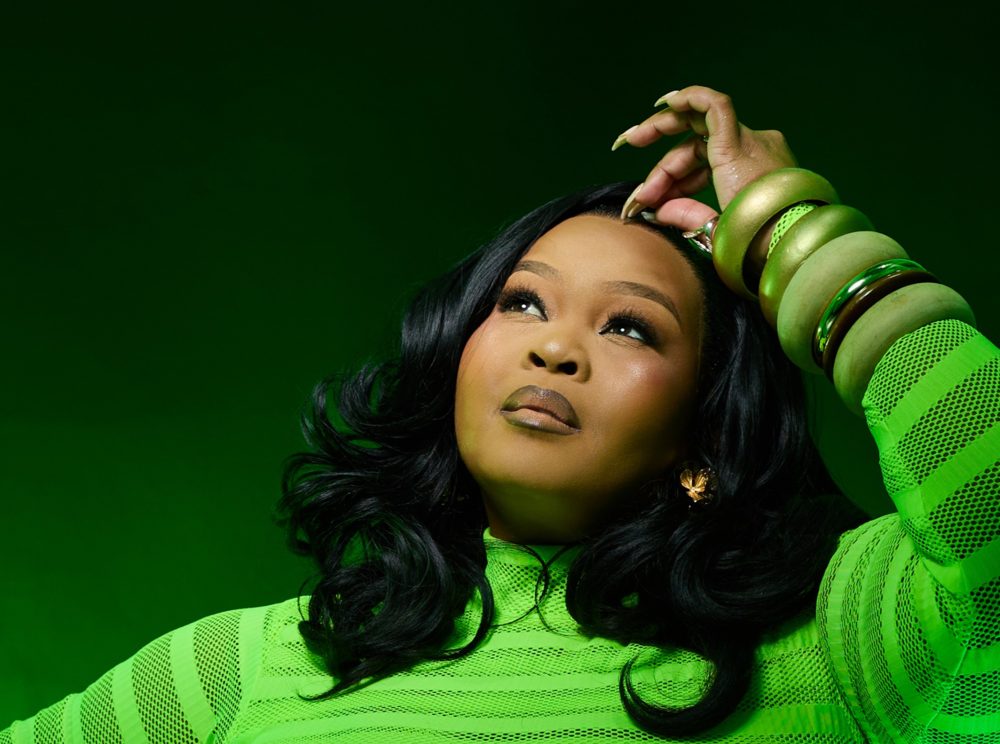
Featuring acclaimed South African musician Pabi Cooper, the campaign shines a light on the many people behind every song – from songwriters, producers and sound engineers to session musicians, videographers, stylists and production crews – demonstrating that every illegal music download or stream has a ripple effect across the entire creative value chain.
By placing these human stories at the centre of the campaign, the PSA reminds audiences that music piracy does not just affect artists and record labels; it threatens jobs, livelihoods and the long-term sustainability of South Africa’s music industry.
Building a culture that values creativity
Through stronger copyright protection, greater consumer awareness, responsible technology development and continued collaboration between governments, industry and initiatives such as Partners Against Piracy, it is possible to build a digital ecosystem where innovation thrives alongside fairness.
No matter the form that piracy takes, the principle remains the same: creators deserve recognition, respect and fair compensation for their work. The future of music depends not only on innovation, but on ensuring that innovation is built on a foundation of fairness.
When creators are protected, creativity flourishes – and when creativity flourishes, entire industries, economies and societies benefit.
Also see: How Tyla’s ‘A*POP’ takes inspiration from the South African music scene
Be the first to know – Join our WhatsApp channel for content worth tapping into. Click here to join!